
EDM Festival News
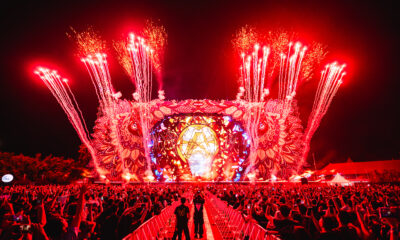
Day Zero Bali 2026 Was More Than A Festival


Day Zero Bali 2026 Was More Than A Festival as Savaya and GWK Cultural Park turned the debut edition into a full Bali experience
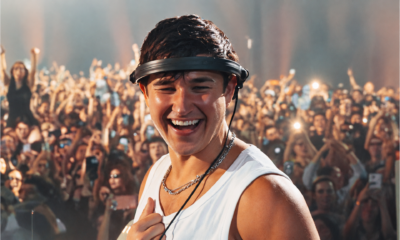
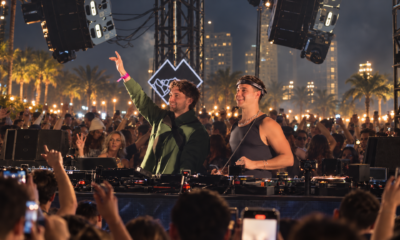
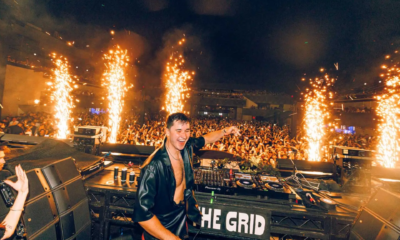
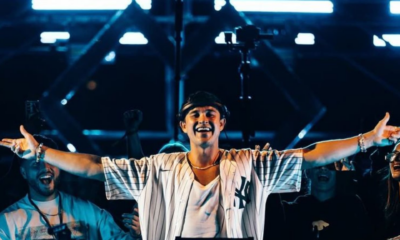
Day Zero Bali 2026 marked the festival’s first-ever edition in Bali, bringing its Tulum-born sunset-to-sunrise concept to the island through a week of events that moved across Savaya, Ulu Cliffhouse, Desa Kitsuné, The Istana, and the main festival at GWK Cultural Park. I was there for the Savaya takeover on April 15 and the main event on April 17, which made the debut feel like more than a one-night festival. It was also my first time experiencing Day Zero, and having that first experience happen during its first Bali edition gave the weekend a different kind of weight. From the cliffside setting at Savaya to the scale of GWK Cultural Park, Day Zero Bali 2026 felt less like a standard festival stop and more like a full Bali experience built around music, setting, and the people who came for it.


Subscribe to our Newsletter







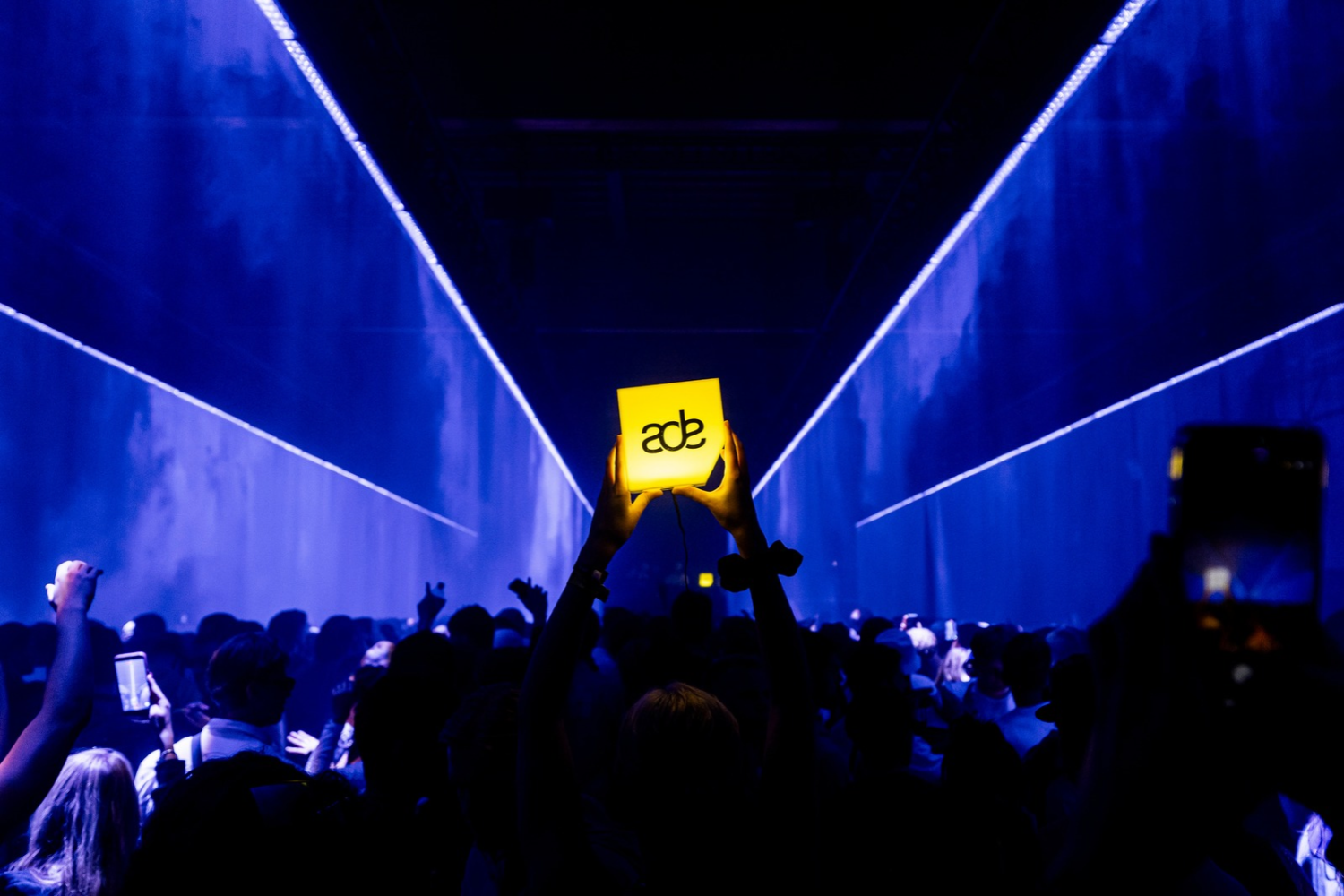
ADE announces full 30th anniversary program with 3,600+ artists across 1,300+ events and 300+ venues in Amsterdam
Amsterdam Dance Event will celebrate its 30th anniversary from October 21–25, with the full 2026 program now spanning more than 3,600 artists, 1,300+ events and 300+ venues across Amsterdam. The five-day edition will cover the festival, ADE Pro Conference and Arts & Culture program, with the latest additions including Armand Van Helden, Boys Noize, Hannah Laing, Jamie Jones, Martin Garrix, Mau P, Pete Tong, Chris Stussy b2b Job Jobse, Len Faki, Mama Snake and Speedy J.
View this post on Instagram
More Artists Join ADE 2026
The final release adds another large group of names across house, techno, trance, garage and experimental electronic music. ANNA, Carl Craig, Chris Liebing, Enrico Sangiuliano, Ferry Corsten, HoneyLuv, Interplanetary Criminal, Louie Vega, Nastia, Sebastien Léger, Young Marco and BLOND:ISH are among those confirmed, alongside hundreds of artists playing throughout the city.
That scale is a long way from where ADE began in 1996, when around 300 professional delegates attended and its nighttime events covered just three venues. Thirty years later, the event now reaches clubs, concert halls, museums, churches, record stores and cultural institutions across Amsterdam, bringing its festival and professional conference together across the same week.
ADE Pro Brings Artists And Industry Leaders Together
The ADE Pro Conference will feature artist conversations, industry sessions and discussions around the future of nightlife. Armin van Buuren joins Jean-Michel Jarre, Lady Starlight and JakoJako for Music & Machines: A Conversation Between Artists from Different Generations, while Afrojack, Mau P, Max Cooper, HoneyLuv, Sofiya Nzau, Joseph Capriati, Reinier Zonneveld, Cruel Santino and DJ Scratch are among the other names joining the conference.
Major music and technology companies will also take part through the Insider Knowledge series, with sessions involving Spotify, SoundCloud, YouTube Music, NVIDIA, Helix Records, Believe, Warner Music, Sony Music, Universal, Armada and Sziget. Elsewhere, Why Humans Still Need Dancefloors? will bring Eris Drew, Alice O’Grady and Sven Bijma together, while ADE and VibeLab will present the Nighttime Culture Index, mapping the cultural vitality of nightlife across cities around the world.
30 Years Of ADE Across Amsterdam
The anniversary edition will also introduce the 30 YEARS ADE Icon Series, bringing together 30 events that look back at electronic music’s history while also focusing on its future. Jean-Michel Jarre joins the week as Guest of Honour, marking the 50th anniversary of Oxygene with a show at AFAS Live, an exclusive ADE Pro keynote and further appearances during the event.
The series also includes Boris Acket’s EINDER installation with the Royal Concertgebouw Orchestra and Elias Mazian, while Swan Lake Remixed for ADE brings the Dutch National Ballet and ISH Dance Collective together at the Gashouder. The wider Arts & Culture program will continue through museums and cultural spaces, with Slimfit, Thomas Azier, Colin Benders and Othernode among those presenting performances and new work during the week.
ADE will also look back at its own development through the 30 Years of ADE session, featuring Anna Knaup, Maria Jimenez, Richard Zijlma, Jan-Willem van de Ven, Gary Smith and moderator Dave Clarke. The discussion will trace how the event grew from 300 professional delegates and three nighttime venues in 1996 into the global electronic music gathering it has become today.
With the full program now confirmed, ADE’s 30th anniversary will bring together club nights, conference sessions, orchestral performances, installations and cultural events across five days in Amsterdam. Three decades after its first edition, the 2026 event will celebrate the people, scenes and ideas that have shaped ADE while giving a new generation of artists and industry figures their place in its next chapter.
Subscribe to our Newsletter
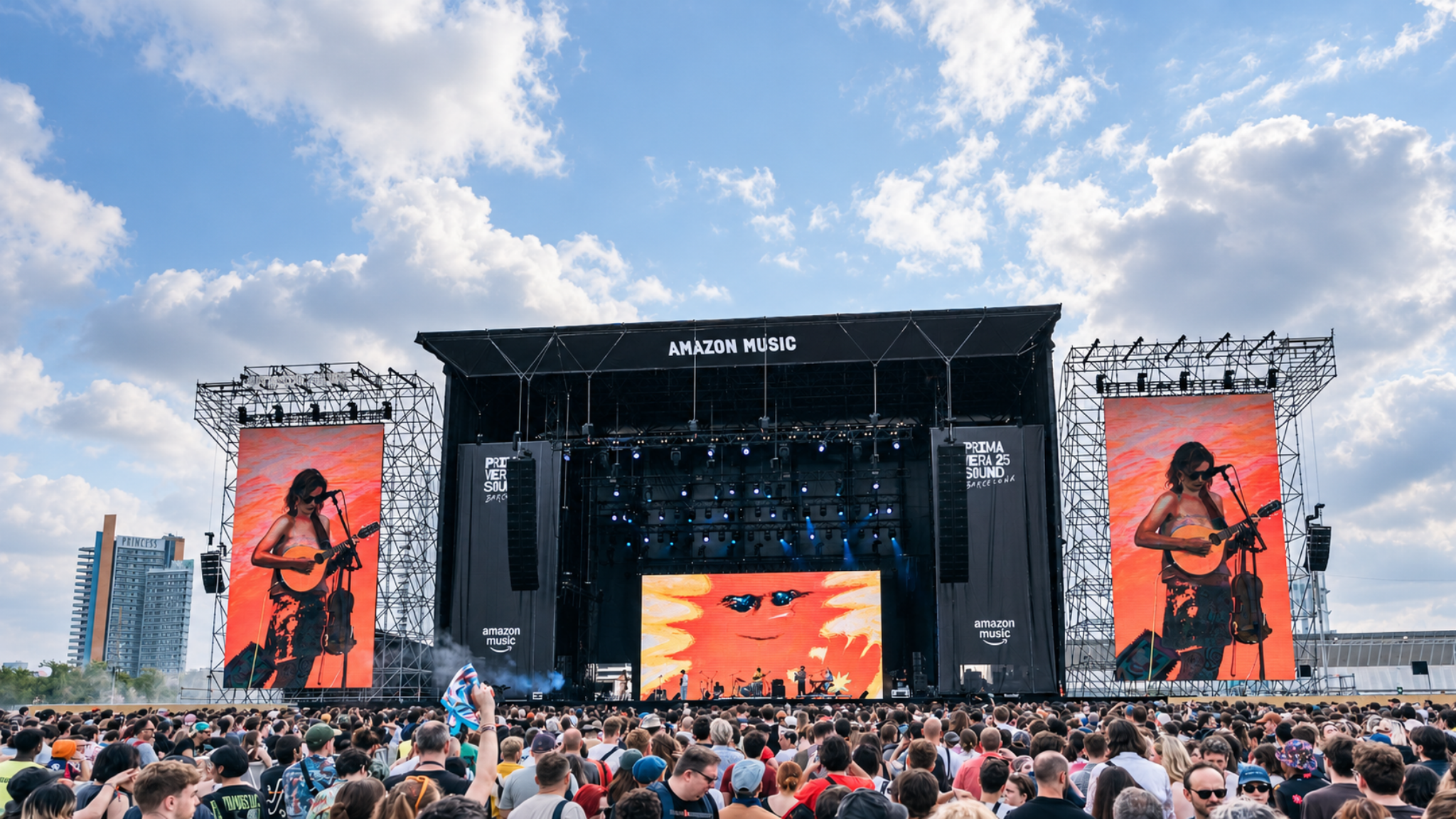
Primavera Sound reveals lineup for its 25th edition with 151 acts including Skrillex b2b Ninajirachi, The Chemical Brothers and Prospa
Primavera Sound will celebrate its 25th edition in Barcelona in 2027, with the main festival days taking place from June 3–5 at Parc del Fòrum as part of a full week of events across the city. The festival has now revealed a lineup of 151 acts, led by Doechii, Phoebe Bridgers, Fontaines D.C., Hayley Williams, FKA twigs, Turnstile, Massive Attack, The Chemical Brothers, Robyn, Prospa and Skrillex b2b Ninajirachi. The anniversary edition also brings together a wide electronic music selection, with Underworld, BICEP, Joy Orbison, John Talabot and more set to play across the week.
View this post on Instagram
Electronic Dance Music Acts Playing At Primavera Sound 2027
Skrillex b2b Ninajirachi is easily one of the must-see electronic sets across the week, with the pair closing the festival together in a rare back-to-back performance. The Chemical Brothers are another major highlight, especially with the duo playing Primavera Sound for the first time in their career. Elsewhere, Prospa bring their house and rave influences to Parc del Fòrum, while Underworld, BICEP, Joy Orbison and John Talabot give the lineup plenty more depth across house, techno and club music.
View this post on Instagram
That selection stretches further into some of the more experimental names on the lineup, with Ibrahim Alfa Jnr, Boy Harsher, Pole and Mark Fell & RP Boo all bringing something different to the festival. Pole will perform his influential 1 2 3 trilogy, while Mark Fell & RP Boo will present a new collaborative show that brings together experimental electronic music and footwork. Alongside the bigger electronic names, those sets give the festival enough range for attendees to move between major live acts, club-focused performances and artists working further outside the mainstream.
Primavera Bits Will Close The Festival With An Eight-Hour Set
The week will end with Primavera Bits on June 6, bringing Richie Hawtin, Four Tet and Dixon together for the first time anywhere in the world. The three electronic music pioneers will lead an eight-hour closing set made up of alternating performances, giving the final day its own identity after the main festival dates at Parc del Fòrum. Pasted text
Primavera Bits also extends the 25th edition beyond the three main festival days, following the free opening day on June 2 and the main programme from June 3–5. With more events and venues around Barcelona still to be announced, the closing party adds another major electronic music moment to a week that already reaches well beyond the core festival lineup. Pasted text
Primavera Sound 2027 Tickets
Registration for the Fan Sale is open until October 7 at 23:59 CEST, with registered users able to access tickets from October 8 at 11:00 CEST. General full festival tickets will cost €295 plus booking fees during the Fan Sale, while VIP tickets will cost €545 plus booking fees. General sales then open on October 9 at 11:00 CEST, with standard full festival tickets priced at €350 plus fees. Pasted text
With the lineup now out and more events around Barcelona still to be announced, the 25th edition already has plenty going for it before the full week has even taken shape. Between major electronic names, rare collaborations, festival debuts and an eight-hour Primavera Bits closing set, Primavera Sound 2027 has given attendees plenty to start planning around, while leaving enough unrevealed to make the next announcements worth watching.
Subscribe to our Newsletter
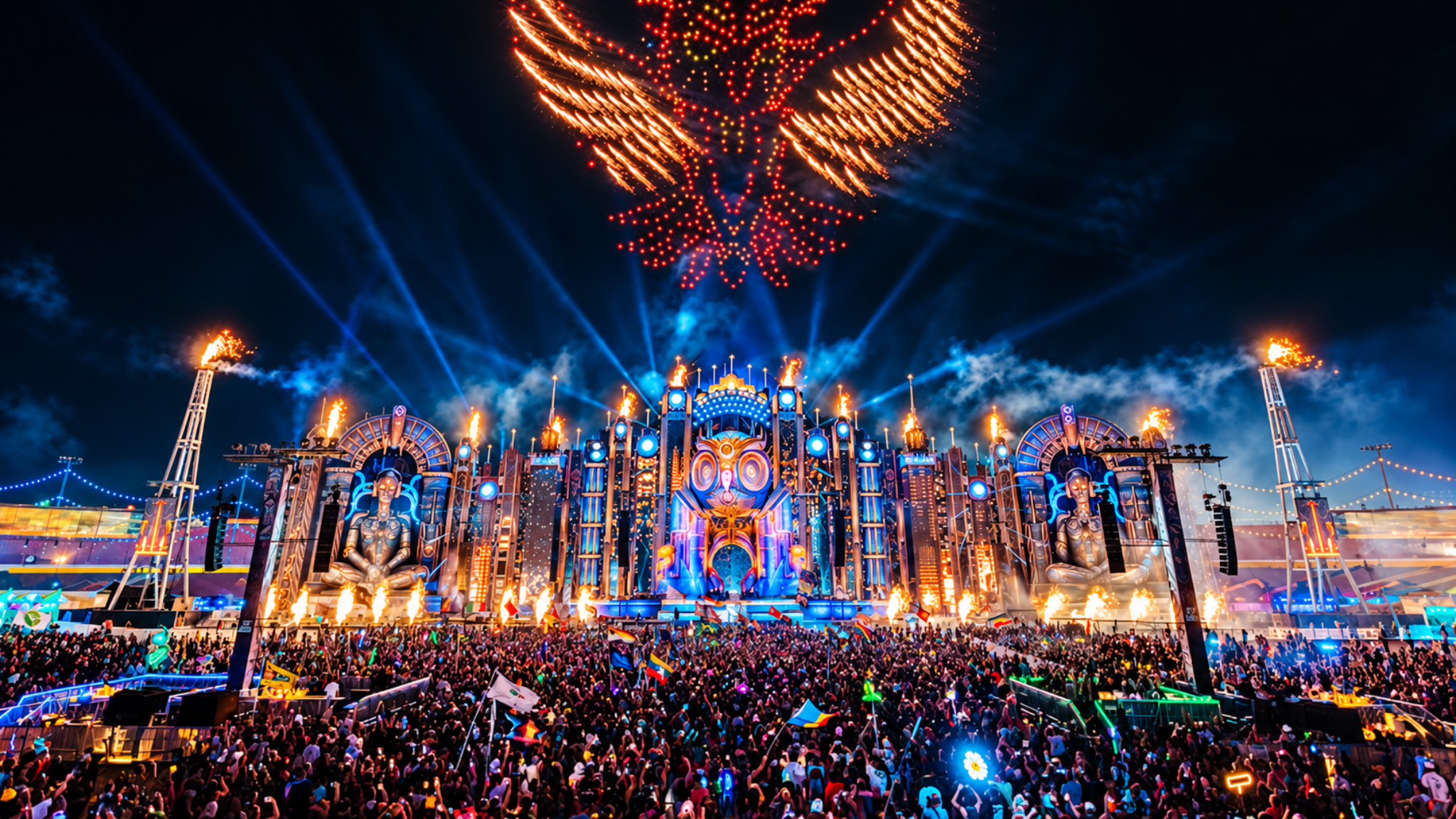
EDC Las Vegas Dusk Till Dawn brings 12 days of events, parties and experiences across the city in 2027
EDC Las Vegas is taking its new Dusk Till Dawn format far beyond the two festival weekends at Las Vegas Motor Speedway. Insomniac has now revealed the events and experiences planned across the full 12 days from May 13–24, 2027. Alongside EDC Dusk and EDC Dawn, Headliners can expect pop-up parties across Las Vegas and the returning World Party Parade. A new Map Point Summit, Insomniac Concept Store and Beyond The Rave Art Show are also planned. Camp EDC and Hotel EDC will also offer expanded experiences throughout the city.
View this post on Instagram
What The 12-Day Experience Actually Includes
The Dusk Till Dawn experience runs from May 13–24, 2027. EDC Dusk takes place from May 14–16, followed by EDC Dawn from May 21–23 at Las Vegas Motor Speedway. The six festival days remain at the Speedway. The dates around them will bring EDC into other parts of Las Vegas through parties, exhibitions, retail, hotel events and community-focused activities.
Between the two weekends, Insomniac plans pop-up events across clubs, warehouses, art galleries, city landmarks and other locations. Opening and closing parties will also take place around both Dusk and Dawn. Hotel EDC at Virgin Hotels Las Vegas will host pool parties, after-parties, wellness activities and beauty and glam services. Interactive events and several of the new experiences announced for 2027 will also take place there.
Camp EDC will change significantly as well, with pass holders able to stay for the full 12 days for the first time. Each weekend begins with a sunset-to-sunrise opening party at The Mesa. Monday morning after-parties will follow once each festival weekend ends. Between both weekends, campers can expect wellness activities, creative workshops, a retro arcade and live painting. Vendor Village, art installations and all-night parties are also planned.
New Experiences Coming To Dusk Till Dawn
One of the biggest additions for 2027 is Map Point Summit. Its name comes from the underground rave tradition of using map points to guide people to a party. Insomniac is bringing that idea into a new setting at Hotel EDC. The summit will focus on electronic music, rave culture and helping people understand different paths into the industry. It gives the 12-day experience something beyond parties. The space is aimed at people who want to learn more about the culture and those working behind it.
That wider look at rave culture continues with the new Beyond The Rave Art Show. It will also take place at Hotel EDC throughout all 12 days. The free exhibition will feature photography, graffiti, paintings, rave flyers, poster art, sculptures and collectibles. Works will come from established artists and people within the electronic music community. Nearby, the Marketplace will bring together independent creators and businesses. They will offer fashion, art, records, collectibles, technology and other products connected to the scene.
Concept Store And World Party Parade
Music and merchandise also come together through the first Insomniac Concept Store, another new addition for 2027. Open throughout Dusk Till Dawn, the store will include limited-edition collaborations, exclusive releases and a vinyl section. That section will cover both new and old-school electronic music. Artist meet-and-greets and special DJ appearances are also planned.
The returning World Party Parade takes the celebration back outside following its 2026 debut. The free, all-ages electronic dance music parade will once again bring performers and people from around the world onto the streets of Las Vegas.
With EDC Las Vegas giving Headliners an entirely new way to experience the festival in 2027, the inaugural Dusk Till Dawn edition is already shaping up to be one of its biggest changes in years. Across the full 12 days, the experience will extend beyond the two weekends at the Speedway. Art, nightlife, rave culture, community events, independent creators and new spaces around the city will all play a part. That gives people far more to explore before, between and after Dusk and Dawn. It also gives Insomniac room to develop ideas that have not previously been part of EDC on this scale. That makes the first edition of Dusk Till Dawn one to keep a close eye on when it begins in May 2027.
Subscribe to our Newsletter
-
 EDM Music3 days ago
New EDM Friday Oct 9: David Guetta, Armin van Buuren & More
-
 Amsterdam Dance Event News5 days ago
ADE Announces Full 30th Anniversary Program
-
 EDM Music3 weeks ago
New EDM Friday Sep 18: HALŌ, HUGEL, Sara Landry & More
-
 EDM Festival News4 weeks ago
Lost Lands Announces Full Set Times and Streaming Details
-
 EDM Festival News4 weeks ago
Tomorrowland Winter 2027 Dates and Ticket Sales Announced
-
 EDM Music2 weeks ago
New EDM Friday Sep 25: Charlotte de Witte, Armin van Buuren & More
-
 EDM Music1 week ago
New EDM Friday Oct 2: Martin Garrix, Dom Dolla & More
-
 EDM Festival News4 weeks ago
Djakarta Warehouse Project Unveil First Lineup Phase For DWP 2026
