EDM news
Tomorrowland Thailand Moves One Step Closer to Reality


Tomorrowland Thailand plans are advancing with key meeting between Thai officials and Festival CEO.
Tomorrowland Thailand is edging closer to hosting one of the world’s most iconic electronic music festivals. Ing Shinawatra recently shared that she met with Bruno Vanwelsenaers, CEO of Tomorrowland, to follow up on discussions originally initiated by Prime Minister Srettha Thavisin. The meeting confirmed that the project has now entered its study and preparation phase, signaling serious intent on both sides.

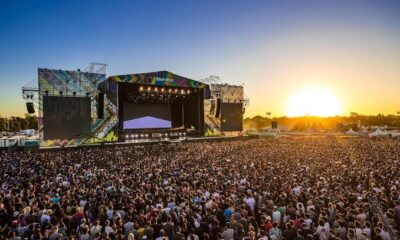
Tomorrowland is one of the largest and most influential music festivals in the world. Originating in Boom, Belgium in 2005, the festival has grown into a global phenomenon, attracting hundreds of thousands of attendees each year. Known for its elaborate stage designs, international artist lineups, and immersive storytelling, Tomorrowland has expanded into multiple formats, including Tomorrowland Winter and Tomorrowland Brasil. Each edition maintains its high production value while adapting to local environments. Bringing it to Thailand would mark the first time the main Tomorrowland brand arrives in Southeast Asia.

Thailand Aims to Be More Than Just a Host
Ing made it clear that the goal is not to simply host the festival, but to make Thailand the cultural and creative core of the experience. The government wants to ensure that Thai identity is present in every layer of the event, from performance stages and music showcases to food, production, and creative direction. The intention is to allow Thai people to truly benefit from the festival’s presence, not just economically, but artistically as well.
She described the opportunity as a turning point for the country’s creative and live events industries. By welcoming Tomorrowland, Thailand could introduce new standards of festival production, open space for local artists to shine on a global stage, and position itself as a serious destination for large-scale cultural experiences. This aligns with broader national strategies around soft power, where music, food, fashion, and film are being promoted as key drivers of identity and income.
What Comes Next?
There is still no confirmed date or location, but the fact that Tomorrowland executives are in direct discussion with Thai leadership is a significant development. If the plan moves forward, it will require careful planning, collaboration, and infrastructure support. But the interest is mutual, and the momentum is clearly building.
This would not be the first time Thailand has embraced large-scale music festivals. Events like S2O Songkran, 808 Festival, and EDC Thailand have already demonstrated that the country has both the audience and capability to host international shows. However, Tomorrowland represents something even bigger, a globally loved brand that brings together music, production, and cultural exchange on a level few others can match.
For now, fans can stay hopeful. Thailand is no longer just pitching the idea. It is taking real steps toward making it happen.