
Armin van Buuren News
Was The New ‘Zenless’ Stage At Creamfields A Success?


Creamfields has always had an amazing array of stages that provide a diverse experience everywhere you go, but this year they looked to step up their game even more with the introduction of the ‘Zenless Zone Zero’ stage. When ‘Zenless’ was first announced it was already grabbing people’s attention with its incredible 30,000 capacity making it the largest indoor festival superstructure in the world. The early projections of what the stage was going to look like were impressive and the names set to play in there such as Martin Garrix, Tiesto, Armin Van Buuren, and Dimitri Vegas & Like Mike only heightened the excitement to see this new stage. But did it live up to expectations after all the hype?
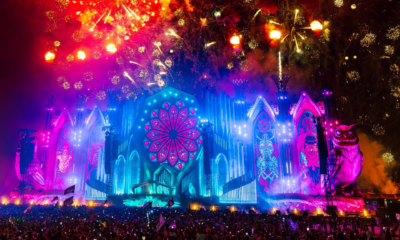
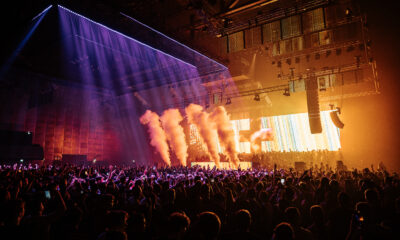
Without a doubt one of the biggest positives of the ‘Zenless’ stage was the insane lighting rig that was able to handle the crazy visuals you expect from the likes of Martin Garrix and surpassed expectations. From the powerful room filling lasers to the spinning beams of light coming from all over the place, there was no lack of entertainment from a visual standpoint with the lighting even improving upon what you could find at the ‘Arc’ stage in some respects. With it being an indoor stage, you wouldn’t expect anything crazy in terms of pyrotechnics but the flames being thrown from the stage and the pillars above the crowd were sensational and certainly gave you that mainstage feel.

Every act that performed on the stage was able to put on incredible sets with a sound system that filled the structure and could be felt all the way at the back. Unfortunately for a lot of people they would only get to hear some of these sets from the very back or even outside. Despite its impressive 30,000 capacity when it came to the sets of Martin Garrix and Tiesto, the stage quickly filled up with a lot of the entrances having to be shut to avoid overcrowding. It was of course the right decision to do this to keep people safe, but a lot of people were left disappointed as they arrived at the stage to see their favourite artists and were instantly turned away as there simply wasn’t enough space.
Though you could say that these acts simply should have been put on a bigger stage, this year posed some unusual problems with the likes of Hardwell and Timmy Trumpet struggling to pull big crowds at the ‘Arc’ stage. Even Alesso who closed the ‘Arc’ stage on the final day didn’t receive the type of crowd you would expect for a mainstage closing set. It’s when you look at what sets were clashing that you realise where some of the problems spawned from. As Tiesto was performing at 1am, he wasn’t clashing with many artists of the same calibre as him meaning that nearly everyone tried to get into ‘Zenless’ to see him. Martin Garrix was following on from Third Party on the ‘Zenless’ stage who had already drawn in a massive crowd and have a similar fanbase so very few people cleared out of the tent leaving it still packed out. The unpredictability of how many people are going to go to each set is something that is very hard to deal with and this year the struggle was quite apparent.
When you look at the problems at the ‘Zenless’ stage a lot of it came down to organisation of the acts but that is certainly not an easy task to take on and even the best laid plans can go wrong. This is of course only the first year that the ‘Zenless’ stage has been used so there are lots of things that can be learnt from this to carry into next year. Despite these problems its fair to say that ‘Zenless’ is an amazing addition to the roster of fantastic stages at Creamfields and that the organisers put on yet another amazing festival that everyone enjoyed. Once you got right in the thick of it with the amazing lighting filling the room, fire pumping out right above you and beautiful music pouring into your ears it was undeniably a brilliant experience that everyone will be looking forward to having more of.
Subscribe to our Newsletter







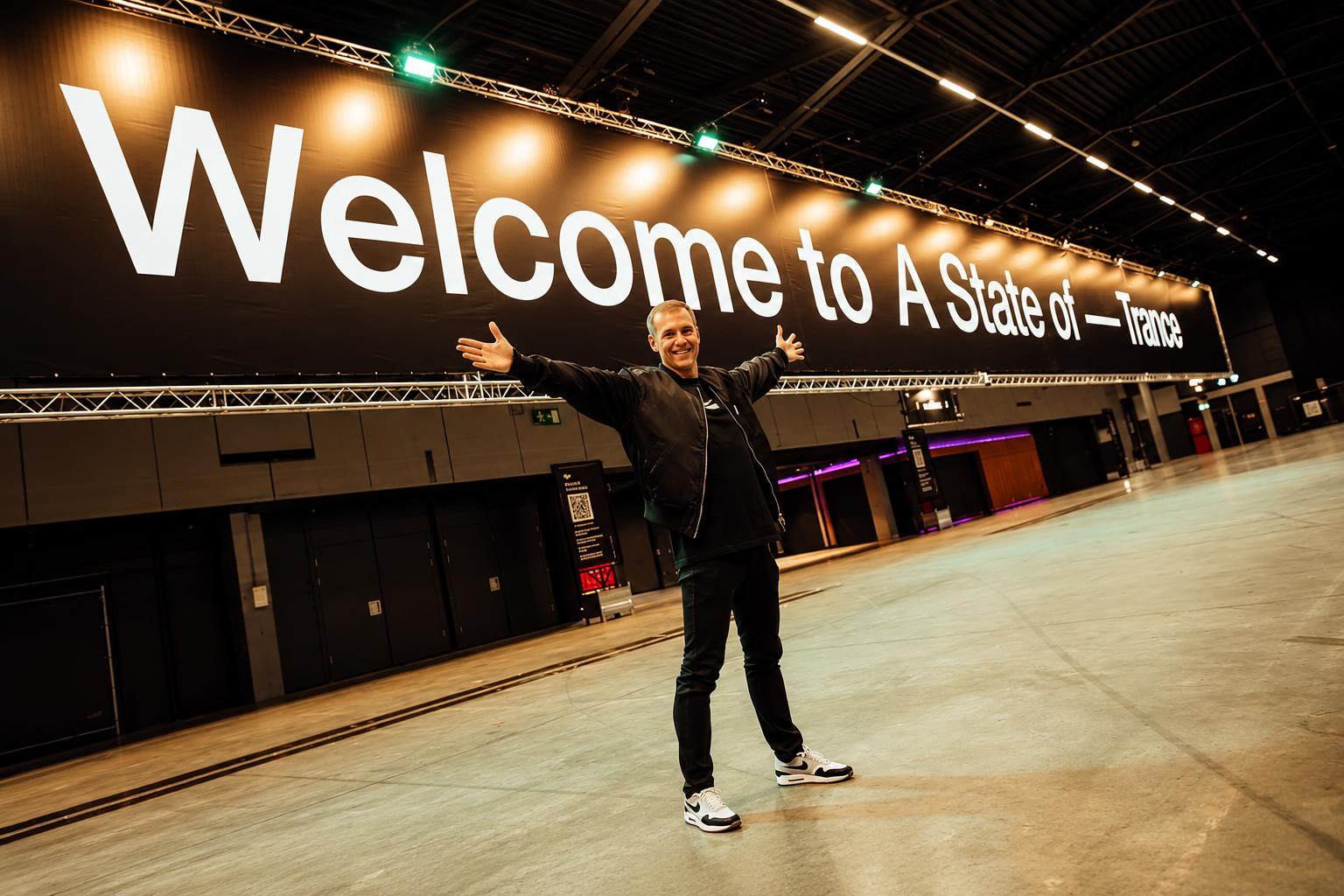
Armin van Buuren announces two-day ASOT LA festival for June 2027, marking the first two-day A State of Trance event in the U.S.
For more than 25 years, A State of Trance has grown from Armin van Buuren’s weekly radio show into a global trance platform. Its events now span Europe, Asia and the Americas. Armin van Buuren has now announced its next major chapter in Los Angeles. The city will host the first two-day A State of Trance festival in the United States on June 11 and 12, 2027. The event will bring ASOT back to California on a larger scale, with further festival details still to come.
A State Of Trance Expands In Los Angeles
Armin van Buuren shared the news on October 8 during ASOT LA Unfiltered, an intimate pop-up in Downtown Los Angeles. Organisers invited a small group of attendees to the previously unannounced event. There, Armin van Buuren played a two-hour set before revealing plans for the 2027 festival at ACE*MISSION Studios.
While A State of Trance has held events in California before, including editions in Oakland and Los Angeles, 2027 will mark a first. It will become the first two-day ASOT festival in the United States. The format follows the larger editions already established elsewhere and gives the U.S. event two full festival dates.
A State Of Trance Hotel Joins The Weekend
Alongside the shows at ACE*MISSION Studios, the Los Angeles weekend will also include an A State of Trance Hotel. Previous editions have offered activities around the main festival. These have included pool parties, pre-parties, dedicated hotel events and early access for guests.
A State of Trance has not yet confirmed the exact package or activities planned for Los Angeles. Registration for A State of Trance 2027 tickets and hotel packages is already open. Lineup and further ticket information will follow.
A State Of Trance Celebrates 25 Years
The Los Angeles festival forms part of A State of Trance’s 25th anniversary, adding another major edition to the celebrations. Armin van Buuren launched the weekly radio show in 2001. Over the following two decades, it expanded into compilations, international events and large-scale festivals while remaining closely tied to trance music.
In May 2026, Armin van Buuren released A State of Trance 2026, the 23rd annual installment in the compilation series. The album features three mixes titled Pulse, Frequency and Energy. Artists across the project include Argy, Andrew Bayer, Joris Voorn, Amy Wiles, Farius, KI/KI and Lilly Palmer. ‘Always You’ by Armin van Buuren, Richard Durand and Dicosis also became the official anthem for the 25-year celebrations.
The anniversary celebrations have also extended to Ibiza. A State of Trance began a five-date residency at [UNVRS] in September 2026, running every Monday from September 7 to October 5. Armin van Buuren plays a five-hour extended set on each date alongside invited artists and collaborators. The accompanying A State of Trance, Ibiza 2026 compilation features Andrew Bayer, Giuseppe Ottaviani, Matt Fax, Solarstone, MaRLo, BLR and Richard Durand.
View this post on Instagram
ASOT Continues Into 2027
Before attention turns to Los Angeles, A State of Trance will return to Rotterdam on February 26 and 27, 2027. The event continues the two-day format already established in the Netherlands. Registration for the next Rotterdam edition is already underway as the anniversary celebrations continue into another year.
Four months later, Los Angeles will become the next major stop on the ASOT calendar. Several important details, including the lineup and individual day schedules, have yet to be announced. More information about the A State of Trance Hotel will also follow. Those reveals will complete the picture before the first two-day U.S. ASOT festival begins at ACE*MISSION Studios on June 11 and 12, 2027.
Subscribe to our Newsletter
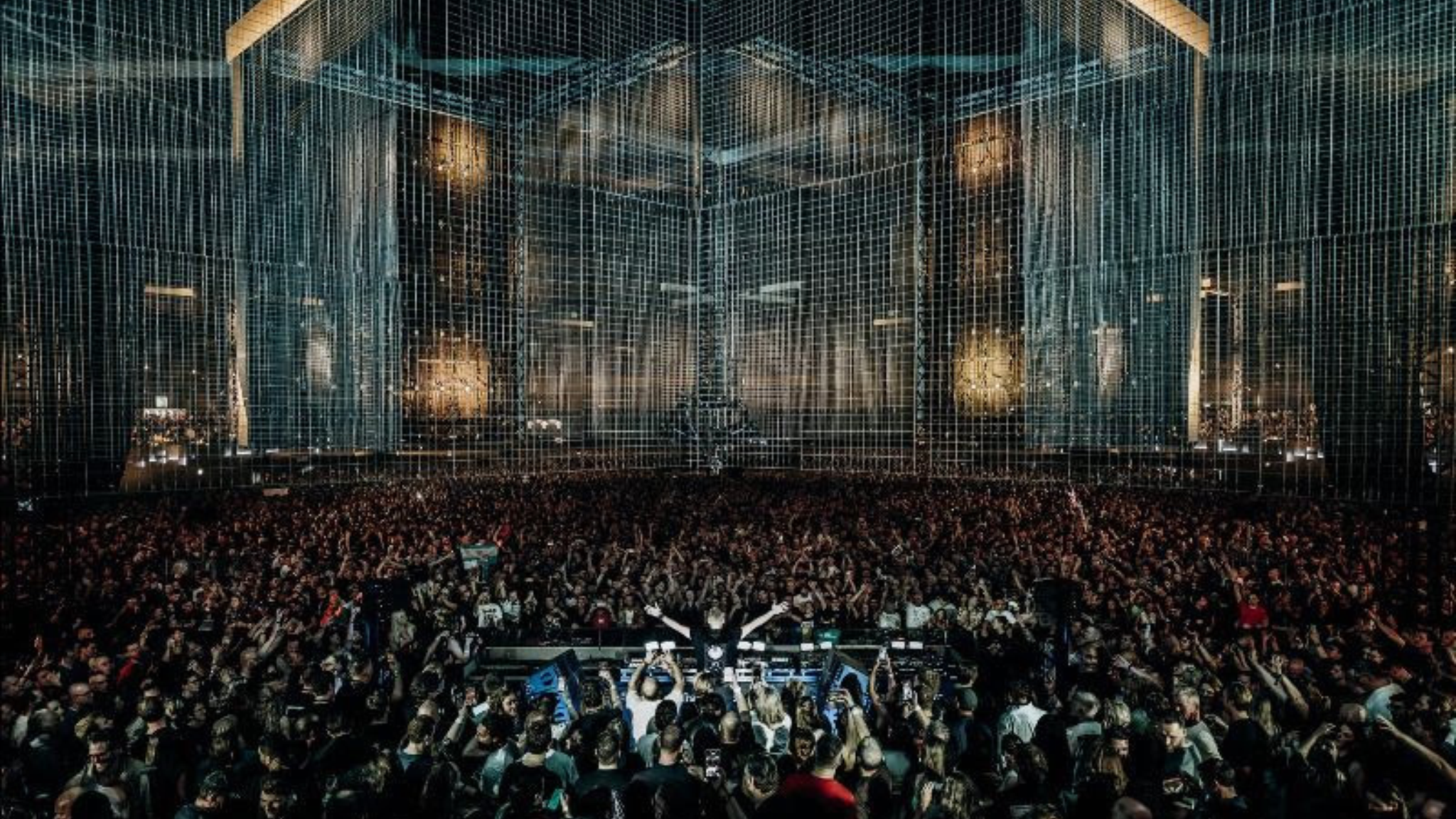
A State of Trance reveals first artists for Rotterdam 2027 with Armin van Buuren five-hour set, exclusive vinyl show and new b2b performances
Subscribe to our Newsletter
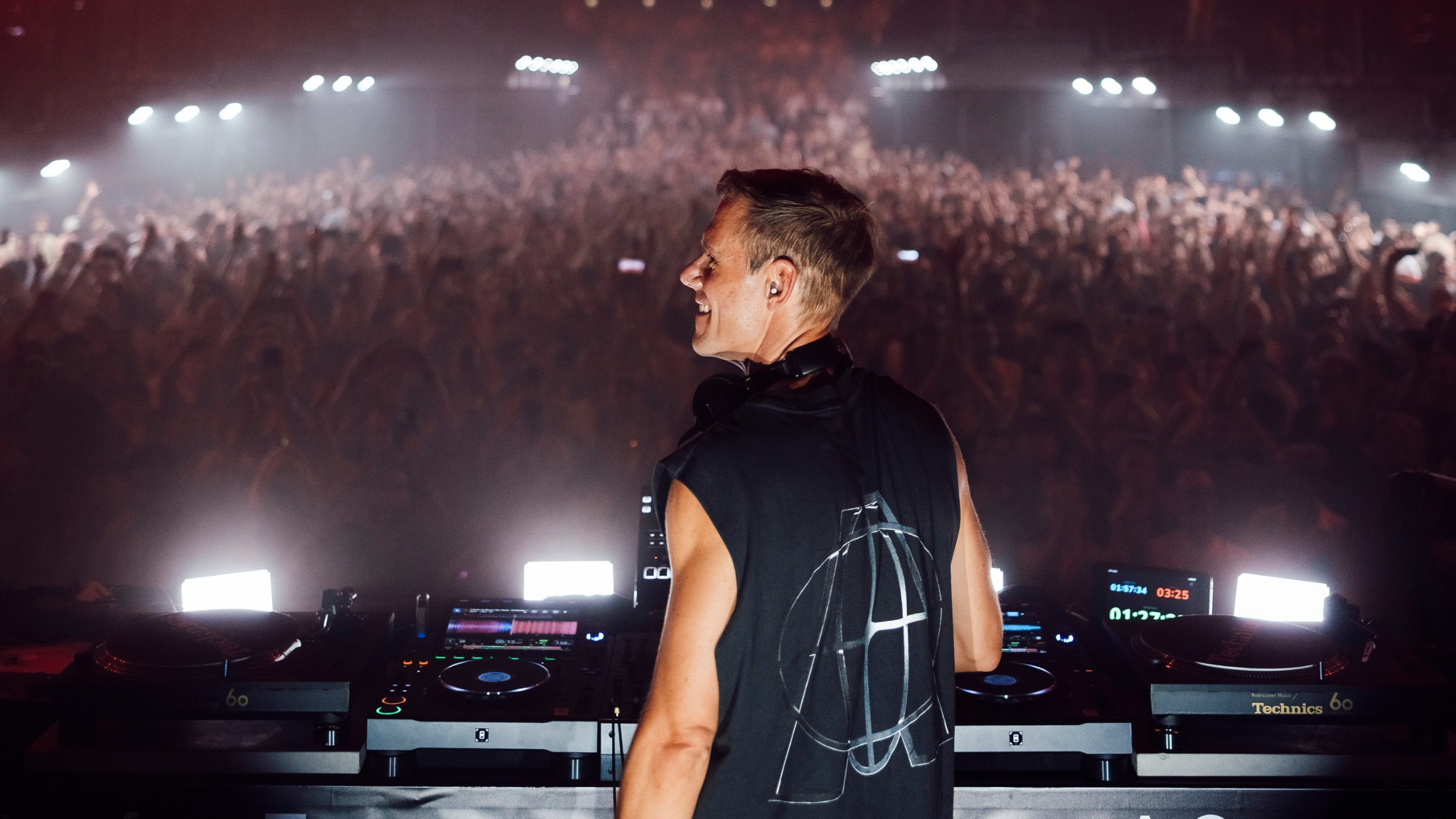
Armin van Buuren releases new [UNVRS] documentary exploring dancefloor psychology, human connection and the impact of his five-hour A State of Trance sets
Subscribe to our Newsletter
-
 EDM Music4 days ago
New EDM Friday Oct 9: David Guetta, Armin van Buuren & More
-
 Amsterdam Dance Event News6 days ago
ADE Announces Full 30th Anniversary Program
-
 EDM Music4 weeks ago
New EDM Friday Sep 18: HALŌ, HUGEL, Sara Landry & More
-
 EDM Festival News4 weeks ago
Lost Lands Announces Full Set Times and Streaming Details
-
 EDM Festival News4 weeks ago
Tomorrowland Winter 2027 Dates and Ticket Sales Announced
-
 EDM Music3 weeks ago
New EDM Friday Sep 25: Charlotte de Witte, Armin van Buuren & More
-
 EDM Music2 weeks ago
New EDM Friday Oct 2: Martin Garrix, Dom Dolla & More
-
 Amsterdam Music Festival News3 weeks ago
EDM Festivals October 2026: Festivals We Can’t Miss
