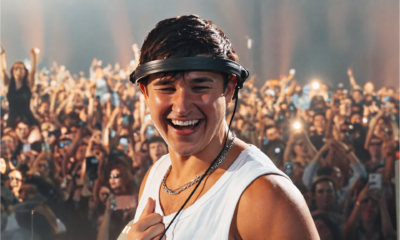
Why Health In The EDM Scene Goes Beyond Mental Health as touring, nightlife, and constant schedules put physical wellbeing into focus
As Mental Health Awareness Month brings more attention to how people protect their wellbeing, the EDM scene also needs space for a closely connected issue: physical health. The industry often celebrates long runs of shows, packed festival weekends, late-night sets, international flights, and artists who keep going even when their bodies are already under pressure. But recent and past cases involving Rezz, John Summit, Alesso, Hardwell, Headhunterz, Timmy Trumpet, and Avicii show why the conversation cannot stop at mental health alone. In dance music, looking after the body means taking illness, injury, hearing problems, exhaustion, recovery, and rest seriously, especially in a scene where the next show, flight, or festival weekend can make it harder to slow down. That does not only apply to artists, either. Crew, teams, promoters, photographers, nightlife workers, and fans all exist around the same late hours and high-pressure schedule, making physical wellbeing part of the wider health conversation in electronic music.
The Physical Demands Behind Every Flight, Set Time, And Festival Weekend
More recently, REZZ brought that same issue into the present after canceling Coachella Weekend 2 in April 2026 and later canceling her remaining 2026 shows while taking an indefinite break from touring. The cancellations included major dates such as Breakaway Ohio, Beyond Wonderland at the Gorge, Tomorrowland, Chasing Summer, ÎleSoniq, and REZZ ROCKS VIII at Red Rocks Amphitheatre, which has already been listed as canceled with refunds being issued. Her case fits this discussion because it shows the difference between stopping live performance and stopping music. REZZ had just released A Shift In Perspective through HypnoVizion, but the physical demands around touring still reached a point where continuing shows was no longer realistic. That makes her situation a current example of the same problem this section is addressing: in the electronic music industry, the career can continue, but the body may still need the touring schedule to stop.
Avicii remains one of the most important examples of why physical health has to be part of any wider wellbeing discussion in the EDM scene. Before conversations around artist burnout became more public, his career had already shown how intense touring could affect the body in serious ways. After years of heavy touring, health problems, hospitalizations, and cancelled shows, Avicii retired from live performance in 2016 while continuing to make music. His decision made one thing clear: stepping away from touring did not mean stepping away from music. It meant that the physical demands around live performance had become impossible to ignore.
That same issue has continued to appear across different parts of dance music. Alesso opened up in 2025 about severe tinnitus after several cancelled shows, bringing hearing health into the conversation in a very specific way. For a DJ, hearing is not separate from the job. It affects studio work, live monitoring, travel recovery, and the ability to perform over time. Hardwell also stepped away from touring in 2018 after years of heavy schedules, interviews, deadlines, release dates, and pressure around one of the biggest careers in electronic music. Headhunterz later announced that he would stop performing from 2024, with his decision tied to the toll of touring and the need for more balance. These cases are not identical, but they show how often the same problem appears: the schedule can keep moving even when the body needs time to recover.
That is why recent health-related cancellations from John Summit in Peru and Chile fit into a wider discussion, even without treating his situation as the same as anyone else’s. In the EDM scene, physical health is affected by more than one difficult weekend. It is long flights, short sleep, loud spaces, late set times, irregular meals, dehydration, illness, injury, hearing strain, and the pressure to be ready for the next show because tickets have been sold and the next city is waiting. The same reality can affect crew, tour managers, photographers, promoters, nightlife staff, and fans who spend long hours around the same environment. During Mental Health Awareness Month, the point is not to take attention away from mental health. It is to recognize that looking after the body is also part of staying well in a scene built around late nights, travel, and constant movement.
Why Physical Health Matters For Attendees, Crew, And Everyone In The Rave Scene
Physical health in the rave scene is not only an artist issue, because the same environment that affects DJs also affects the people standing, working, shooting, managing, serving, securing, and moving through the event. For attendees, a club night or festival weekend can mean hours on their feet, loud sound, packed crowds, heat, limited sleep, long travel home, and another commitment the next morning. For crew, photographers, security, bar teams, stagehands, artist teams, and promoters, those same conditions can last much longer because the work starts before doors open and continues after the crowd leaves. A night out may feel temporary from the dancefloor, but repeated weekends in loud, late, crowded spaces can add up through hearing strain, fatigue, dehydration, poor recovery, muscle soreness, and disrupted sleep. That is why physical wellbeing has to be discussed across the full EDM scene, not only when a major artist cancels a show or announces a break.
One of the most overlooked parts of that reality is hearing health, because the sound levels that make dance music feel immersive can also create long-term risk when exposure is repeated without protection. The National Institute for Occupational Safety and Health states that repeated exposure to noise at or above 85 dBA over an eight-hour shift can put workers at risk of significant hearing loss, and also notes that a space may be hazardous if someone has to raise their voice to speak to another person at arm’s length. That matters in clubs and festivals because loud music is not background noise there. It is the environment people stay inside for hours, often across several weekends a month. For attendees, ear protection is still too often treated like an optional extra, while staff, photographers, security, and venue teams may face repeated exposure across multiple events as part of their work. In that context, ringing ears after a show should not be treated as a normal part of nightlife, because hearing protection and recovery time are basic parts of looking after physical health in the EDM scene.
The late-night schedule adds another layer because nightlife often runs against the body’s normal sleep pattern, especially for people who attend, work, travel, edit, load out, or go straight back into school or work the next day. NIOSH notes that night and shift workers may face higher risks linked to cardiovascular disease, gastrointestinal disorders, psychological disorders, diabetes, and difficulty managing chronic health conditions, with these risks connected to sleep and circadian rhythm disruption. That context matters for the rave scene, where the physical routine is not always visible from the outside but can be intense for people inside it. A photographer may spend hours standing and shooting in a loud venue before editing through the night. A bar team or security crew may finish long after the final track. A fan may leave a festival exhausted, dehydrated, and under-slept, then treat it as normal because the weekend was worth it. During Mental Health Awareness Month, the point is not to move away from mental health. It is to recognize that physical health and mental health often meet in the same exhausted body, especially in a scene built around late hours, loud sound, travel, and constant social pressure.
What Taking Care Of Physical Health Looks Like In The EDM Scene
Taking care of physical health in the EDM scene starts with being realistic about what long nights, loud rooms, packed crowds, travel, and limited sleep do to the body. For attendees, that can mean preparing for a night out with enough food and rest, drinking water throughout the event, using proper ear protection, taking breaks when the room gets too hot or crowded, and leaving enough recovery time after a festival weekend. These choices can sound simple, but they matter in a scene where people often normalize ringing ears, dehydration, body aches, lost sleep, and the idea of pushing through because the next set or afterparty is still happening. They also matter because many people in the scene are not only going out once in a while, but returning to the same clubs, festivals, and late-night spaces often enough for poor recovery to become part of their routine. Physical wellbeing is not about making the scene less fun. It is about making sure people can enjoy it without treating exhaustion, pain, or poor recovery as part of the experience.
For the people working across the EDM scene, the same idea becomes even more important because physical strain is often built into the job. Photographers carry equipment for hours while moving through crowded venues, security teams stay alert through long shifts, bar staff work through heat and noise, and production teams, artist managers, stage crews, media teams, promoters, and venue staff often begin before doors open and finish long after the crowd leaves. A healthier scene means treating water access, meal breaks, hearing protection, safer shift planning, rest between events, and recovery time as part of how nightlife and festivals operate, not as afterthoughts. During Mental Health Awareness Month, this does not take focus away from mental health. It adds the part that is often missed: the body is where many pressures first show up, whether through poor sleep, headaches, hearing issues, dehydration, injury, fatigue, or weakened immunity. For dance music to have a more complete wellbeing conversation, physical health has to sit beside mental health as part of how artists, teams, workers, and fans keep going in a scene built around sound, movement, and late nights.
Keeping The Scene Fun Should Also Mean Keeping People Well
None of this means the EDM scene has to lose the late nights, festival weekends, packed dancefloors, or chaotic group-chat plans that make it feel so exciting in the first place. The point is that enjoying the scene should not have to come with ignoring the body every time it asks for rest, water, sleep, protection, or recovery. Mental Health Awareness Month is a useful reminder that wellbeing needs attention, but the conversation becomes stronger when physical health is included too. Whether someone is touring, working behind the scenes, shooting content, running a venue, or spending the weekend on the dancefloor, the body is part of the experience. Looking after it does not make anyone less committed to the music. It makes it easier to keep coming back to it in a way that actually lasts.
With 13 years in the EDM scene, Preetika has built a strong presence around festivals, club culture, and electronic music. Based in Bangkok, she covers all things EDM in Thailand and beyond, with a focus on both local and international talent.
She has attended major festivals including Tomorrowland, Ultra Japan, and Creamfields Hong Kong. Since working as a writer for EDM House Network, she has interviewed artists such as Blasterjaxx, James Hype, W&W, R3HAB, Alok, and many others. Her experience and consistent presence in the scene make her a trusted voice for EDM coverage.
To provide the best experiences, we use technologies like cookies to store and/or access device information. Consenting to these technologies will allow us to process data such as browsing behavior or unique IDs on this site. Not consenting or withdrawing consent, may adversely affect certain features and functions.
Functional
Always active
The technical storage or access is strictly necessary for the legitimate purpose of enabling the use of a specific service explicitly requested by the subscriber or user, or for the sole purpose of carrying out the transmission of a communication over an electronic communications network.
Preferences
The technical storage or access is necessary for the legitimate purpose of storing preferences that are not requested by the subscriber or user.
Statistics
The technical storage or access that is used exclusively for statistical purposes.The technical storage or access that is used exclusively for anonymous statistical purposes. Without a subpoena, voluntary compliance on the part of your Internet Service Provider, or additional records from a third party, information stored or retrieved for this purpose alone cannot usually be used to identify you.
Marketing
The technical storage or access is required to create user profiles to send advertising, or to track the user on a website or across several websites for similar marketing purposes.