Must Read
Backline Launches Free EDM Mental Health Toolkit


Backline launches free EDM Mental Health Toolkit covering touring, harm reduction, and self-care for artists, crews, and ravers during Mental Health Awareness Month.
Mental health in the electronic music scene has become a more visible industry conversation as touring, nightlife, and festival culture continue to place real pressure on artists, teams, and fans. Festival weekends, late-night club sets, back-to-back shows, long travel days, afterparties, and the pressure to stay present through it all can affect artists, managers, crew members, producers, and festivalgoers in different ways. For artists and touring teams, the challenge can come from unstable sleep, constant movement, and the emotional comedown after shows. For ravers and attendees, the same cycle can mean physical exhaustion, post-event lows, substance-related risks, or the pressure to keep up socially across multiple events. As Mental Health Awareness Month brings more attention to support systems across music, Backline has launched its Free EDM Mental Health Toolkit, a practical resource created specifically for the electronic music community with guidance on touring, re-entry after tour, substance use and harm reduction, sobriety support, self-care, nutrition, and mental health check-ins.
Why Mental Health Support Matters In The EDM Scene
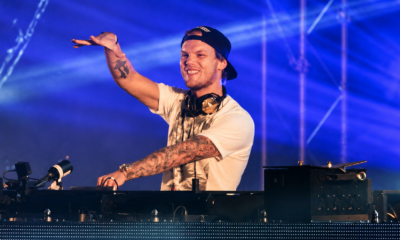
The conversation around mental health in the electronic dance music scene became impossible to ignore after the loss of Avicii, whose career had already raised wider questions about touring pressure, fame, physical health, and the pace expected from artists at the top of electronic music. Avicii, born Tim Bergling, retired from live performances in 2016 after years of health struggles while continuing to make music in the studio, and his death in 2018 pushed the dance music industry to look more seriously at the pressure surrounding constant touring, public expectation, and the lack of proper support around artists. His story remains one of the clearest examples of why success in dance music cannot be separated from the systems protecting the people behind it.
View this post on Instagram
Years later, those pressures are still part of the same industry cycle, even if they look different depending on where someone stands in the scene. DJs can move through flights, hotels, late-night sets, early call times, interviews, afterparties, and another city the next day, while managers and crew often carry the same schedule behind the scenes. For fans, the issue can show up through back-to-back club nights, festival weekends, travel, limited sleep, dehydration, substance-related risks, and post-event lows that affect how people recover after shows. None of this takes away from why people love the scene, but it does show why Backline’s Free EDM Mental Health Toolkit feels relevant during Mental Health Awareness Month, especially because the guide focuses on practical areas such as tour preparation, re-entry after touring, substance use and harm reduction, sobriety support, self-care, nutrition, and mental health check-ins.
What Backline’s Free EDM Mental Health Toolkit Includes
Backline’s Free EDM Mental Health Toolkit is a free resource guide created for the specific pressures of life in the electronic music scene, giving artists, producers, managers, crew members, industry professionals, and ravers one place to find practical support. The toolkit covers tour preparation, re-entry after touring, substance use and harm reduction, sobriety support, self-care, nutrition, and mental health check-ins, making it more specific than a general wellness page. For artists and touring teams, that means guidance that can be used before a run of shows, during demanding travel periods, and after returning home when normal routines can be difficult to regain. For ravers and festivalgoers, the same resource can help make recovery more intentional after late nights, multi-day events, or weekends where sleep, hydration, food, and emotional balance are easy to overlook.
The launch also connects to Backline’s wider support system, including B-LINE, its 24/7 mental health and crisis support line, one-on-one case management with vetted providers, and wellness resources such as mindfulness and yoga. B-LINE was created exclusively for the music industry and gives music professionals and their families access to trained counselors who understand the pressures of working in and around music, with support available by phone or text. Backline previewed the EDM Mental Health Toolkit during Miami Music Week, which ran from March 24 to 29, 2026, at the 2026 Femmy Awards, placing the resource in front of the global electronic music community during one of the industry’s busiest annual weeks. For the official launch, Backline has also partnered with electronic musician and experimental vocalist Kaleena Zanders on an artist-led testimonial initiative, beginning with a video centered on preparing for tour. That detail matters because it keeps the campaign tied to real artist routines and industry pressure points, instead of treating mental health as a detached awareness message during Mental Health Awareness Month.

Why Backline’s Support Goes Beyond A Toolkit
The reason Backline’s Free EDM Mental Health Toolkit carries weight is that it comes from an organization already working directly with mental health needs across the music industry. Since 2019, Backline says it has invested $3.5 million into mental health and wellness in music and served 84,000 people, showing that the toolkit is part of a wider support structure, not a standalone awareness post. The organization also notes that its team has handled urgent calls and cases where immediate support was needed, which makes the EDM resource feel more connected to real industry conditions. That context matters because touring, nightlife, and festival culture often place people in situations where normal routines are disrupted, but support still needs to be reachable, practical, and specific to how the music world actually works.
Backline Co-founder and Executive Director Hilary Gleason frames the need clearly, pointing to the reality of live electronic music as a space of late nights, early mornings, sunrise sets, and flights to the next city. That detail gives the toolkit a sharper purpose because it speaks directly to the pace of the EDM scene, where artists and teams may be working through exhaustion while fans are also moving through multi-day events, afterparties, and recovery periods. B-LINE, which Backline launched in January, expands that support further as a 24/7 mental health and crisis support line created exclusively for the music industry, with music professionals and their families able to reach trained counselors by phone or text. The larger message behind the toolkit is also important: it is not designed to tell people how to live inside the scene, but to give them options, information, and support so they can take care of themselves and the people around them. That makes the launch more useful than a general reminder to “prioritize mental health,” because it connects awareness to actual access, especially during Mental Health Awareness Month.
What This Means For The EDM Scene During Mental Health Awareness Month
The launch of Backline’s Free EDM Mental Health Toolkit points to a wider shift in how the EDM scene can approach wellbeing beyond awareness posts, tribute messages, or conversations that only happen after someone is already struggling. During Mental Health Awareness Month, the resource gives the electronic music community something more practical to work with: a free guide that can sit alongside tour planning, festival preparation, artist care, crew support, and post-event recovery. For artists and teams, that could mean treating mental health check-ins, sleep planning, re-entry after tour, and substance-related risk as part of the same preparation process as flights, production schedules, and show logistics.
For ravers and festivalgoers, the implication is just as important because mental health in the EDM scene is not only about the people on stage. A healthier culture also depends on attendees being able to recognize when a weekend has taken a toll, when a friend needs support, or when recovery requires more than waiting for the next event. Backline’s toolkit does not position itself as a final answer to every pressure in dance music, but it gives the community a clearer place to start. If Mental Health Awareness Month is meant to push the conversation forward, this launch shows what that can look like when awareness is paired with practical access, music-specific resources, and support designed around the way the scene actually operates.