
Afro House
Beatport Awards 2025: The Tracks, DJs, and Labels Everyone Actually Played This Year


The Beatport Awards were held on April 24 at Atzaró Agroturismo in Ibiza. The event recognized producers, labels, DJs, and festivals based on actual sales data, voting, and expert decisions. These aren’t just names with hype. These are the people behind the tracks that showed up in DJ sets, stayed on the charts, and got played all year.
Best Selling Artist of the Year
This award goes to the artist with the most total track sales across all genres on Beatport. It shows who had consistent demand throughout the year, not just one viral moment. It’s a measure of work rate, reach, and relevance.
Winner: HUGEL
HUGEL’s releases dominated several Beatport charts. His blend of Latin house, vocal-driven cuts, and edits made for dance floors kept his catalog in steady demand. DJs from Ibiza to Tulum played his tracks throughout the year. Songs like “Tamo Loco” and collaborations with BLOND:ISH and Nfasis became crowd favorites. This wasn’t a lucky streak. He stayed present every month.
Best Selling Track of the Year
This is for the one track that sold more than any other on Beatport in the last year. It shows which song stood out enough to be played by DJs across different scenes, whether peak-time or warmup. One track that kept getting picked.
Winner: Adam Port and Stryv – Move (feat. Malachiii)
Move balanced sharp production with a vocal that connected immediately. The drums stayed tight and the groove made it work in a lot of different set styles. It became one of those tracks that kept its spot long after the release buzz faded. DJs stuck with it, and the sales showed that.
Best Selling Remix of the Year
This award goes to the remix that had the most downloads on Beatport. It’s not about who made the original, but who reworked it into something DJs wanted to play. A remix that gave new life to a familiar track.
Winner: FISHER – Jamming (FISHER Rework)
FISHER’s take on Bob Marley and The Wailers’ Jamming brought a classic into club territory. He didn’t overdo it. The groove stayed light but strong, with just enough bounce to keep it moving. The result worked across festivals, clubs, and beach parties. It became one of the most played edits of the year.
Producer of the Year
This award recognizes a producer who consistently put out high-quality music that shaped the sound of the year. It’s not just about volume. It’s about originality, technical skill, and influence across the scene.
Winner: PAWSA
PAWSA kept his sound sharp and reliable. Known for tight, rolling tech-house with a stripped-back edge, he released tracks that worked in clubs without needing big drops or gimmicks. His records landed in the crates of a wide range of DJs, and his approach to production stayed focused on rhythm and function. It was less about flashy edits and more about steady control, which paid off across the year.
Best Live Performer
This award goes to the act whose live shows stood out. Not just for energy but for the way their performance connected with the crowd and built something beyond just playing tracks. It’s about presence, pacing, and how the music hits in real time.
Winner: Chase & Status
Chase & Status have been doing this for years, and in 2024 they returned with a show that reminded everyone why they’re still relevant. Their setup blended drum and bass, grime, and UK rave culture with tight visuals and live vocal features. It wasn’t just loud. It was sharp, deliberate, and designed to hold the crowd from start to finish. Every set felt like a headline moment, no matter where they played.
Hype Label of the Year
This award goes to the label that made the most noise in the scene over the past year. Not just with chart placements but with identity, consistency, and releases that people talked about and played. A label that stayed present without flooding the space.
Winner: Mood Child
Mood Child stood out by delivering tracks that felt intentional. The releases were spaced, not rushed. The label leaned into rich percussion, deep basslines, and an atmosphere that worked across genres. It became a steady name for selectors who wanted something bold but playable. People paid attention because the quality held up all year.
One to Watch
This category is about new energy. It highlights an artist who isn’t everywhere yet but is clearly building something. A sound, a reputation, a path that people in the scene are starting to notice.
Winner: Rosey Gold
Rosey Gold kept showing up in the right spaces. Her productions carried a mix of emotional depth and rhythmic structure, while her DJ sets showed a good ear for flow and tension. Nothing felt rushed or copy-pasted. She’s building her sound slowly and people are starting to follow along.
Social Impact Award
This award is for someone who used their presence in the scene to help others, push conversations forward, and create space where it didn’t exist before. It’s about contributions outside the charts.
Winner: Bradley Zero
Bradley Zero has been working for years to bring inclusivity and balance into dance music. Through his label, radio shows, and event programming, he continues to support new voices and create platforms for people who have been overlooked. His work doesn’t rely on trends. It stays consistent and rooted in the community.
That’s the full breakdown from this year’s Beatport Awards. Every category was based on real plays, real purchases, and real support. Some of the winners have been steady names in the scene. Others are just starting to cut through. But none of them followed hype. They made music that stuck, that got played, and that mattered to people who actually listen. If you already know these names, this just confirms it. If not, now’s your chance to catch up.
Subscribe to our Newsletter








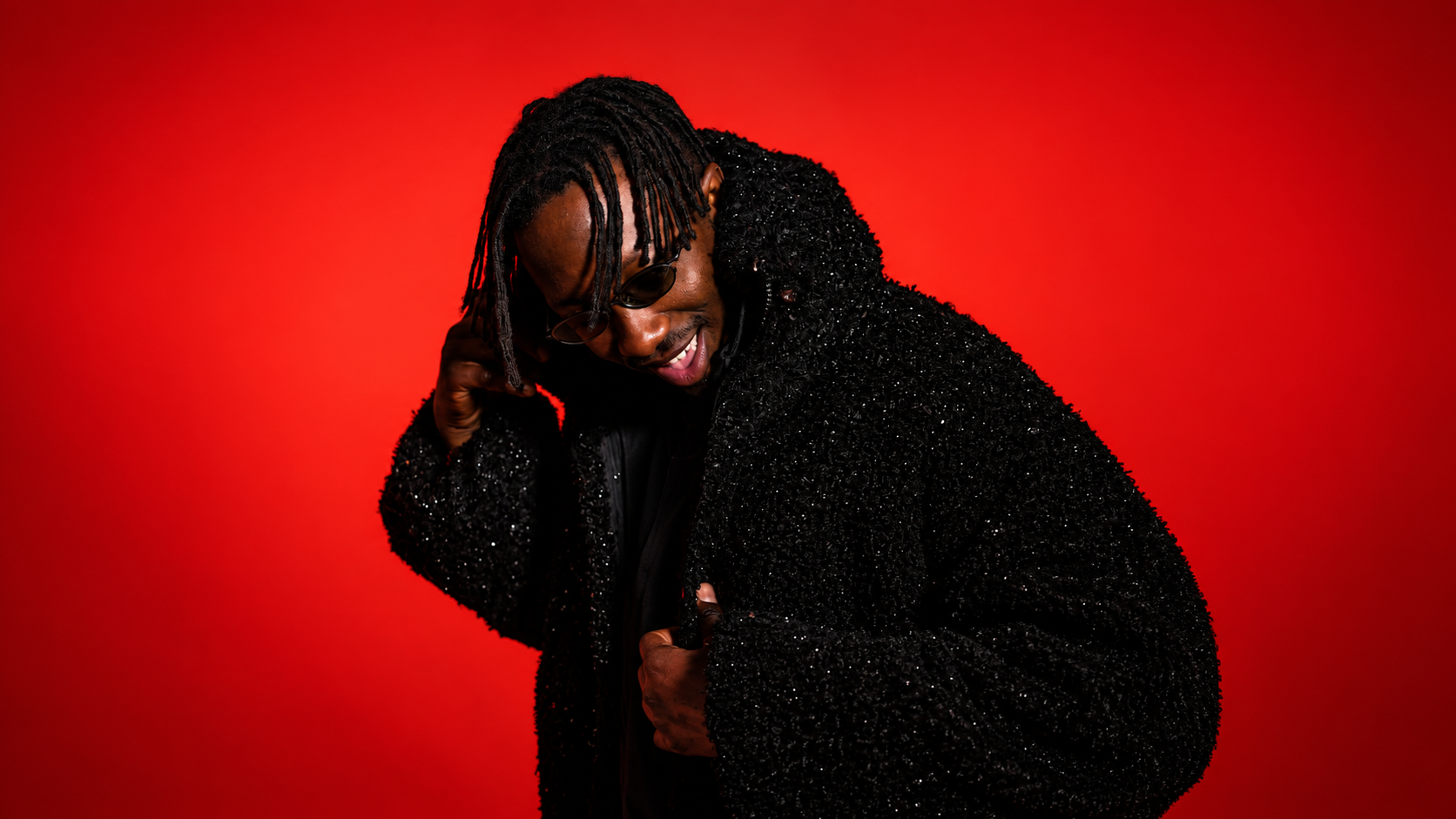
AMÉMÉ closes out a landmark summer with the release of “Chulo” via Altra Moda Music, alongside One Tribe’s five-week Cova Santa residency.
West African afro-house innovator AMÉMÉ closes out a landmark summer with the release of “Chulo” via Altra Moda Music, and the conclusion of One Tribe’s debut five-week residency at Ibiza’s Cova Santa. The two moments arrive together by design, capping a season that saw AMÉMÉ bring his community-first ethos to the island for the first time.
“Chulo” has spent months building anticipation before its official release, driving dancefloors across AMÉMÉ’s summer sets and quickly becoming one of the most requested moments in his live shows. Its release now gives fans a studio counterpart to the track that soundtracked the summer.
Running from late July through late August, the five-week Cova Santa residency marked One Tribe’s first dedicated home on the island, featuring diverse lineups that blended fresh voices with established artists inside the venue’s intimate, open-air setting. Having included artists such as Honeyluv, Kitty Amor, Da Capo, LP Giobi, Coco & Breezy, and more – the residency stands as a major milestone for the collective, following major showcases in Amsterdam, Berlin, London, and New York.
For Hubert Sodogandji, known globally as AMÉMÉ, the road to this moment started far from festival main stages. Raised in Benin, West Africa, his earliest connection to rhythm came through childhood mixtape competitions with his siblings, long before he discovered electronic music via imported French house tapes. He worked in banking before trading boardrooms for dancefloors, an analytical foundation he credits with helping him thoughtfully grow his creative community today. After buying a basic controller and teaching himself to DJ in New York, he relocated to Berlin to fully immerse himself in electronic music culture.
At the center of that journey is One Tribe, the community-driven collective AMÉMÉ launched in Brooklyn in 2017 to connect people through afro-house. What began as a grassroots event series has organically evolved into a global phenomenon and boutique record label, with the Cova Santa residency marking its most ambitious chapter yet.
What sets AMÉMÉ apart is his charismatic, magnetic booth presence, an infectious energy unmistakably felt on every dancefloor he touches. That crowd connection translates directly into his studio output, where his sound blends afro-house, tribal percussion, and deep house. Recent releases showcase his ability to bridge musical eras and cultural gaps, from the feel-good afro-house track “Wait For You” (with Franc Fala) to his 2026 reimagining of the trance anthem “Greece 2000” alongside Baggi and Three Drives.
On the road, that momentum has carried AMÉMÉ to some of the world’s most renowned stages throughout 2026, including summer sets at Miami’s Jungle Island, Barcelona’s Brunch Electronik, the Knockdown Center in New York, and a special Pop Up on the Roof at LA-YAM in London. He has also made prominent appearances at Hï Ibiza and UNVRS alongside heavyweights including Marco Carola and David Guetta.
Whether leading a packed festival tent or commanding an intimate club room, AMÉMÉ uses rhythm as a universal language, one that carries through “Chulo” and the residency it now caps, to remind us that we are all, ultimately, One Tribe.
AMÉMÉ’s “Chulo” is out now via Altra Moda Music.
AMÉMÉ Instagram | One Tribe Instagram
Subscribe to our Newsletter
Afro House
Dennis Ferrer to Headline ¿PorQuéNo? Toronto’s Tulum Day Festival at Evergreen Brick Works


Dennis Ferrer headlines ¿PorQuéNo? Toronto, a two-stage daytime festival at Evergreen Brick Works on August 29, 2026, bringing Tulum’s beach party energy north.
¿PorQuéNo? is bringing its signature Tulum Day Festival concept to Toronto this summer, in partnership with Puzzles Presents with house music veteran Dennis Ferrer topping the bill at Evergreen Brick Works on Saturday, August 29, 2026. Doors open at 4 PM for the 19+ event, which runs seven hours across two stages and is expected to draw over 2,000 attendees for a full day-into-evening celebration of house music in the city’s historic industrial park setting.
Dennis Ferrer Headlines ¿PorQuéNo? Toronto

The Dennis Ferrer ¿PorQuéNo? Toronto booking brings one of soulful house’s most respected names to the daytime festival stage. The New York-based DJ and producer built his reputation through soulful, gospel, and Afro-house influenced production, co-founding Sfere Recordings with Kerri Chandler before launching his own label, Objektivity. He remains best known for his 2010 Defected Records single “Hey Hey,” a record that helped define the sound of soulful house for a new generation of dancefloors, and his catalog includes long-running collaborations with Masters at Work and Little Louie Vega.
Full Lineup at ¿PorQuéNo? Toronto 2026
Dennis Ferrer headlines a stacked bill that includes Ashkan Dian, Azul, Bardia, Different Human, Chism, Johnny Khan, Razaq El Toro, Ry, Saint X, Shayne Mags, Singhara, and Tristan VanGrant. The full roster leans into the same soulful, groove-driven house sound that defines the ¿PorQuéNo? brand, setting up a day of continuous music across the festival’s two stages.
View this post on Instagram
Venue & Event Details
¿PorQuéNo? Toronto takes place at Evergreen Brick Works, 550 Bayview Avenue, Toronto, ON, a former industrial brick factory turned community and event space known for hosting outdoor markets and festivals. Key details for attendees:

THE FESTIVAL EXPERIENCE
Featuring:
• Afro, tribal and organic house & techno
• Immersive production and Tulum-inspired design
• Live performers and dancers
• Body art and curated pop-up vendors
• Food and drinks available for purchase
• Boho chic and elevated summer style encouraged
- Date: Saturday, August 29, 2026
- Doors: 4 PM, running through 11 PM (7 hours)
- Age restriction: 19+
- Capacity: ~2,000
- Parking: Paid parking available on site
- Refund policy: No refunds

Tickets for Dennis Ferrer PorQueNo Toronto are on sale now through Eventbrite.
The Team Behind the Party
Bringing this one to life is a lineup of Toronto promoters as strong as the one on stage. Puzzles Entertainment, known for their deep, progressive, and melodic house nights around the city, joins forces with AYRA Collective, a regular co-host of ¿PorQuéNo? Tulum Day parties across other cities, and FLOWSTATE, a local house music events crew built around giving DJs of every level a platform. Together, they’re the crew making sure Evergreen Brick Works feels every bit like Tulum for the day.
Don’t Forget to Follow ¿PorQuéNo?
Stay connected and be the first to hear about future dates, special offers, and behind-the-scenes moments. Follow ¿PorQuéNo? across all platforms:
Instagram: @porqueno.vancouver and @porqueno.tulum
Facebook: PorQuéNo? Tulum
Eventbrite: PorQueNo Organizer Page
Subscribe to our Newsletter

Casa de Afro Same Language single drops July 24th, followed by a 24-hour Venezuela charity set from founder Dr. ADO next Saturday.
Casa de Afro Same Language marks a defining moment for the label arm of the Mexico City-born Afro House brand. It is landing July 24th as a modern reworking of a platinum-certified record. Additionally, it arrives days after founder Dr. ADO takes on a 24-hour DJ set to raise funds for Venezuela.
From Mexico City to London: The Casa de Afro Story
Casa de Afro was built from the ground up in Mexico City as a music-first Afro House residency. It was founded by Dr. ADO and Bud Lee. What started as a single residency has since grown into a 15-plus event history with consistent sell-out attendance. Moreover, the brand has since expanded into London, running alongside its ongoing Mexico City residency.

The mission behind Casa de Afro has stayed consistent throughout that growth. It is to bring authentic Afro House, Amapiano, and gqom culture to the dancefloor. In addition, the goal is to connect the African diaspora creative scene across Mexico City, London, and Ghana through music-first events.
Most recently, Casa de Afro ran a World Cup Edition at Level B, Bombay Club Roma, in Mexico City. There was also a London edition at Maison Close, Mayfair. The brand is continuing to grow both cities in parallel through 2026.
Meet the Founders: Dr. ADO and Bud Lee
Dr. ADO is the founder of Casa de Afro, with a broadcast history spanning BBC Radio 1, BBC 1Xtra, Kiss FM, and SiriusXM. Bud Lee is co-founder and creative partner. He helped build the brand from Mexico City up into the two-city operation it is today.
Casa de Afro Same Language: A Statement of Intent
The label’s key upcoming release, “Same Language,” comes from Dr. ADO, Bud Lee, and Paperboy Fabe. It is a modern-day Afro House adaptation of the platinum record originally by Paperboy Fabe and Brent Faiyaz. It’s out July 24th on the Casa de Afro label.

The release doubles as a statement of intent for the label. It is reworking a platinum-certified record through an Afro House lens. As a result, Casa de Afro’s identity is cemented as both an events brand and a fully-fledged music label.
Casa de Afro’s 24-Hour Charity Set for Venezuela
Alongside the release, Dr. ADO will perform a 24-hour set with Casa de Afro next Saturday to raise funds for Venezuela. This adds a philanthropic dimension to an already packed month for the brand. Between the record release and the marathon charity performance, Casa de Afro is using this moment to spotlight both its musical output and its community values.
Why Casa de Afro Continues to Matter
Between an expanding footprint across Mexico City and London, a growing label catalog, and community-driven initiatives like the Venezuela charity set, Casa de Afro is positioning itself as more than an events brand. With “Same Language” out July 24th and a 24-hour set following shortly after, the Afro House scene has plenty to watch from Dr. ADO and Bud Lee heading into the rest of 2026.
Subscribe to our Newsletter
-
 EDM Music4 days ago
New EDM Friday Oct 9: David Guetta, Armin van Buuren & More
-
 Amsterdam Dance Event News6 days ago
ADE Announces Full 30th Anniversary Program
-
 EDM Music4 weeks ago
New EDM Friday Sep 18: HALŌ, HUGEL, Sara Landry & More
-
 EDM Festival News4 weeks ago
Lost Lands Announces Full Set Times and Streaming Details
-
 EDM Festival News4 weeks ago
Tomorrowland Winter 2027 Dates and Ticket Sales Announced
-
 EDM Music3 weeks ago
New EDM Friday Sep 25: Charlotte de Witte, Armin van Buuren & More
-
 EDM Music2 weeks ago
New EDM Friday Oct 2: Martin Garrix, Dom Dolla & More
-
 Amsterdam Music Festival News3 weeks ago
EDM Festivals October 2026: Festivals We Can’t Miss
