Connect with us

Editorial

The Science Behind Why Dancing to EDM Can Feel Therapeutic

Unknown's avatar

Published

on

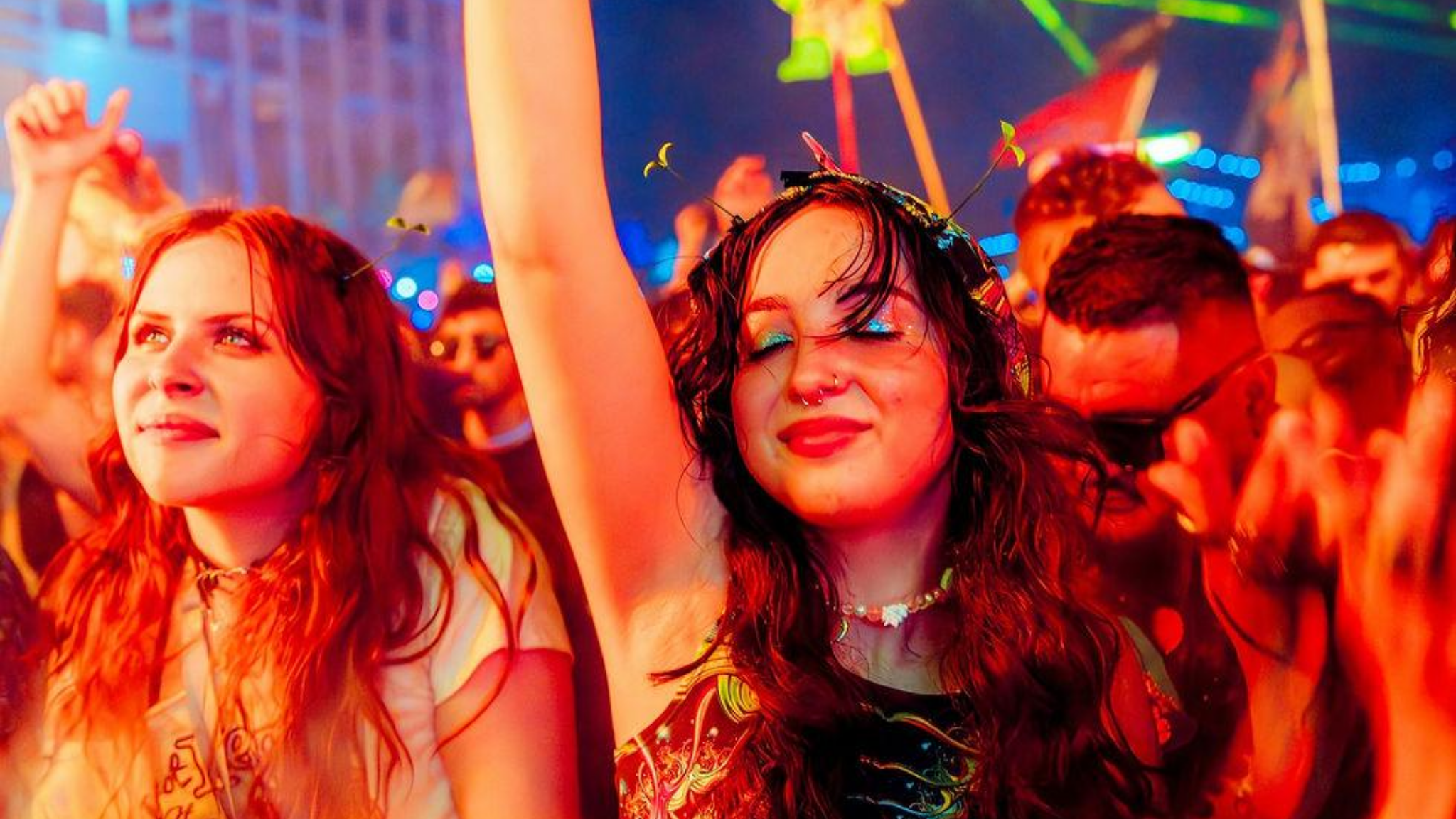
Close-up of two women with eyes closed and arms raised, dancing joyfully in a crowd bathed in red festival lighting, expressing emotional release on the dancefloor.

The science behind why dancing to EDM can feel therapeutic and support emotional regulation, movement and social connection

Have you ever wondered why people say “EDM is therapy” or “raving is therapy” after spending hours dancing at a festival or club? For many people, it is not just about enjoying the music, but about the way repeated movement, familiar tracks and dancing alongside other people can leave them feeling calmer, more connected or mentally lighter afterwards. Those descriptions are usually casual, but they point to something researchers have increasingly been studying through the relationship between music, movement and emotional regulation. Recent work has examined how physical responses to music can affect psychological wellbeing, while studies involving dance music attendees have looked more closely at what happens when movement and shared emotion come together on the dancefloor. A 2025 study involving 612 dance music event attendees found that a stronger desire to dance was associated with greater embodied pleasure, which was closely linked with emotional synchrony and social connection. Alongside emerging research into conscious dance and trauma recovery, those findings offer a scientific basis for examining why dancing to EDM can feel therapeutic, and where the comparison between raving and therapy actually holds up.

Why Dancing to EDM Can Help the Body Process Stress

A 2026 study published in Psychological Trauma examined a conscious dance and expressive arts intervention called Rhythms of Resilience among adults with complex trauma histories. The program combined mindful movement to music with expressive arts across six weekly group sessions, with researchers looking at whether the intervention could support self-regulation and social connectedness. Half of the participants who completed the program reported clinically significant reductions in post-traumatic symptoms, while the group also showed increases in compassion and social engagement. The study did not find measurable changes in emotion regulation itself, which is important because it limits how far the findings can be taken. What it does suggest is that structured movement to music may support some of the psychological and social processes linked with recovery, particularly when movement is combined with reflection and group participation. That makes it relevant to the discussion around dancing to EDM, where repeated movement, music and shared participation are already central parts of the experience.

In a dance music setting, the significance may lie in how little conscious effort that movement requires once someone is fully engaged with the music. Instead of deliberately trying to regulate an emotion, attention can shift toward the beat, the physical repetition and what is happening in the present moment, which may temporarily reduce the amount of focus given to stress or intrusive thoughts. That could help explain why people often describe long periods of dancing to EDM as mentally clearing or releasing, even when they struggle to explain exactly why afterwards. The effect is also likely to vary from person to person, since music preference, comfort in the setting and personal associations with certain tracks can all influence how someone responds. In that sense, the therapeutic feeling may come less from EDM itself and more from what sustained movement to personally meaningful music allows the mind and body to do for a period of time

From Personal Recovery to Collective Release Through Dance

Dancing can take on a different role when the music connects with something an artist or audience is already trying to work through, which is why certain performances can mean far more than simply seeing a DJ play. Skrillex’s five-hour Red Rocks show in 2023 is one example, taking place after he had spoken openly about the death of his mother, depression and problems with alcohol during a difficult period in his life. With no special guests and five hours spanning different parts of his career, the night gave Skrillex and the crowd hours to dance, sing and react together, while he later described it as one of the best nights of his life.

A different kind of return came with Hardwell at Ultra Music Festival in 2022, four years after he stepped away from an intense touring schedule and later spoke about the importance of taking time away when an artist begins to feel burnt out. Reflecting on that period, Hardwell said it was crucial to step back when needed, while his return to Ultra placed him in front of a major festival crowd again with an entirely new body of music. He admitted that he had no idea how the audience would respond to a set consisting entirely of unreleased material, making their reaction particularly meaningful after several years away from touring.

The role of movement becomes more obvious when thousands of people physically participate in the same moment. During Defqon.1’s Power Hour in 2023, around 65,000 attendees jumped from side to side together during its well-known Left-Right crowd movement, turning thousands of separate reactions to the music into one coordinated action across the festival. The moment works differently from an artist returning after a difficult period, but it shows another side of why dancing can become significant, particularly when the physical response is shared by almost everyone around you.

At ODESZA’s final The Last Goodbye tour shows at The Gorge in 2024, dancing was accompanied by years of memories connected to the music, with the ECHOES installation featuring emotional voice messages from attendees about what ODESZA had meant to them. Thousands of people encountered those messages while attending the three closing shows, bringing personal memories into an event that was already marking the end of a long-running tour. Moments like these help explain why dancing can feel therapeutic under very different circumstances, whether movement becomes part of getting through a difficult period, returning to something after needing time away or experiencing an emotional response alongside thousands of other people.

For many people, the therapeutic feeling associated with dancing to EDM may come from more than simply enjoying the music or taking a break from everyday stress. The response can develop through repeated movement, the physical focus of dancing, the meaning attached to certain tracks and the experience of moving alongside other people for long periods of time. Research into conscious dance and dance music events supports the idea that movement, social connection and shared emotional responses can all contribute to how someone feels during and after the experience, while real festival and performance moments show how differently that can play out depending on the person and the context. By the time someone leaves a club or festival after hours of dancing, the change they notice may not come from one single part of the night, but from the way music, movement, memory and connection have worked together across the whole experience.

Subscribe to our Newsletter

With 13 years in the EDM scene, Preetika has built a strong presence around festivals, club culture, and electronic music. Based in Bangkok, she covers all things EDM in Thailand and beyond, with a focus on both local and international talent. She has attended major festivals including Tomorrowland, Ultra Japan, and Creamfields Hong Kong. Since working as a writer for EDM House Network, she has interviewed artists such as Blasterjaxx, James Hype, W&W, R3HAB, Alok, and many others. Her experience and consistent presence in the scene make her a trusted voice for EDM coverage.