Editorial
How The Music Industry Is Responding To The Rise Of AI

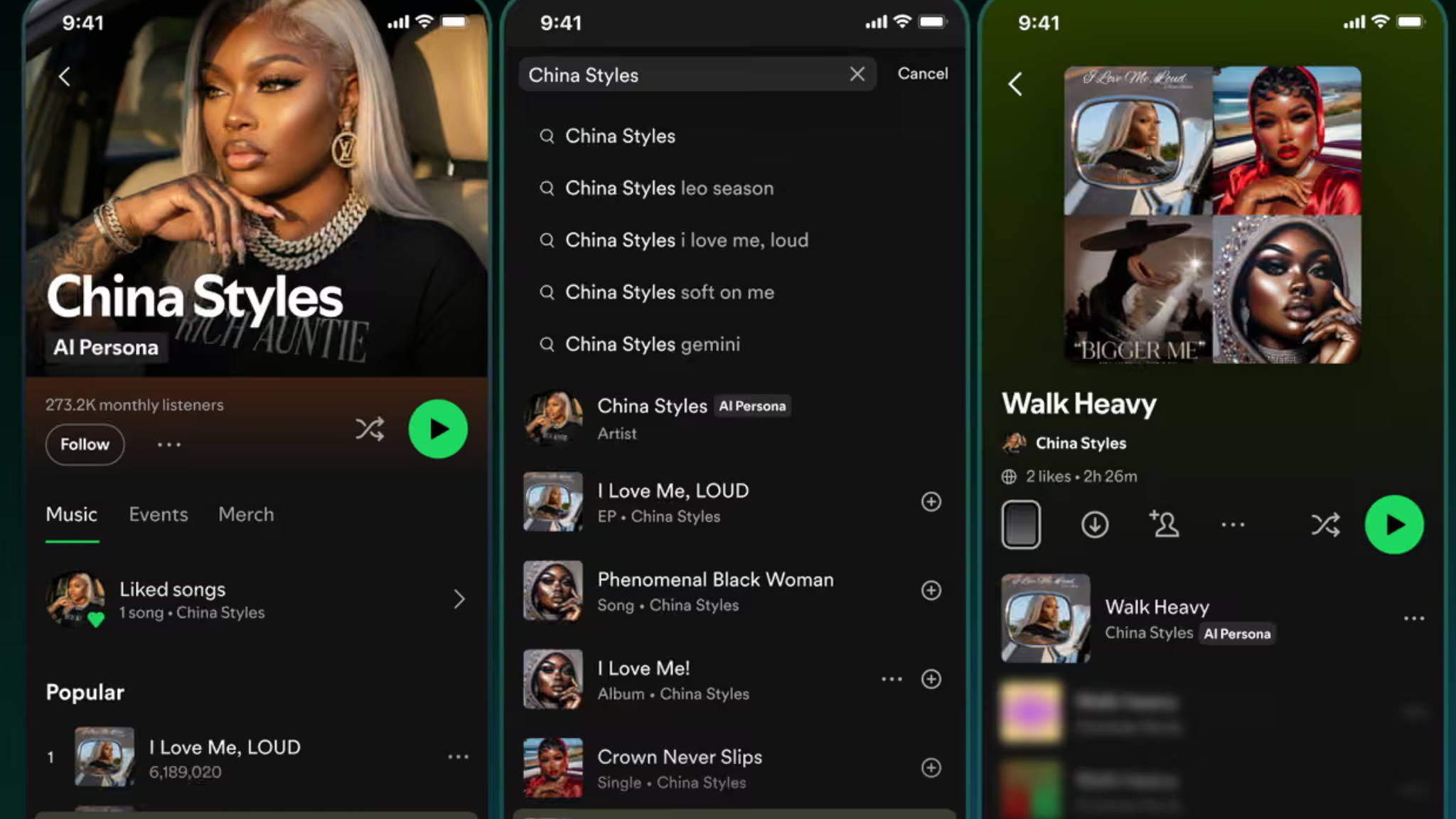
How streaming platforms, charts and music companies are responding to AI-generated music and introducing new protections for human artists
Artificial Intelligence has become an increasingly difficult subject for the music industry to ignore. AI-generated music, cloned voices and synthetic artist identities are becoming more common across streaming services and digital platforms. The industry once discussed AI mostly in terms of creative possibilities, but it now raises much bigger questions around ownership, transparency, royalties and the protection of human artists. No single industry-wide standard currently decides how platforms should treat AI-generated music.
That gap has left individual platforms and organisations to introduce their own responses. Apple Music, Spotify, Deezer, YouTube, ARIA, Billboard and Bandcamp have each taken different approaches to AI disclosure, recommendation systems, chart eligibility, artist impersonation and fraudulent streaming. These measures show how the music industry is beginning to establish clearer rules around AI, while also addressing what its rapid use could mean for the artists whose music, voices and identities sit at the centre of it.
Why AI-Generated Music Has Become an Industry-Wide Issue
AI-generated music has raised serious concerns across the electronic music industry, with producers increasingly questioning how tracks get created, credited and presented to listeners. Much of the criticism centers on platforms like Suno and Udio, particularly when tracks are released without clear disclosure or created using material connected to existing artists.
For producers who have spent years writing, producing and developing their own sound, this raises a bigger question: what happens when AI-generated releases compete for the same listeners, streams and opportunities while requiring far less human involvement in the creative process?
That question has become harder to ignore as more electronic music producers speak openly about what they are seeing. H4RRIS and Nihil Young have both called out tracks they believe were generated through Suno and presented as human-made releases, with Young also discussing how generative AI is affecting his work as a producer and engineer.
View this post on Instagram
Gareth Emery has raised a related concern, criticizing the use of existing music as training data and questioning whether artists have enough control over how their work is used to generate new tracks, vocals or artist identities. His decision to launch a label focused specifically on human-created music reflects how some producers are beginning to respond directly to that issue.
The Debate Extends Beyond the Music Itself
What makes the conversation more complicated is that the same technology is also being used in ways that go beyond the music itself. deadmau5 criticized a DJ earlier this year for using an AI-generated version of his likeness to promote music without permission, bringing artist identity and consent into the same discussion around AI-generated releases.
View this post on Instagram
Diplo, meanwhile, has taken a different approach altogether, speaking openly about using AI-generated vocals in his own productions. That contrast, between artists pushing back on unauthorized use and artists actively embracing the tools, shows that electronic music does not share one position on how AI should be used, and it sets up a broader question about where the industry goes from here.
How Different Platforms Are Responding to AI-Generated Music
As AI-generated music becomes more common across streaming and digital platforms, companies are starting to make clearer decisions around transparency, discovery, artist identity and fraudulent activity. These responses are not identical, but they show how platforms are beginning to set their own rules around what listeners should be told, how artists should be protected and how AI-generated releases should be treated once they enter the wider music ecosystem.
1. Apple Music
Before a release even reaches listeners, Apple Music is already changing how that music gets documented. Labels and distributors can now disclose when AI has generated a material portion of a recording, composition, artwork or music video, adding that information directly to the metadata supplied with the release. This gives rights holders a clearer way to document significant AI involvement from the start.
2. Spotify
For Spotify, the questions extend well beyond disclosure once music reaches the platform. AI Persona badges are being rolled out to identify profiles representing AI-generated identities, and those profiles are generally kept out of editorial and algorithmic recommendations. The platform has also strengthened protections around unauthorized voice cloning and music being falsely uploaded to existing artist profiles.
3. Deezer
As the issue shifts from transparency to how fully AI-generated music is distributed and monetized, Deezer has taken a stricter stance. The platform labels those tracks and removes them from editorial playlists and recommendation systems, while excluding fraudulent streams linked to AI-generated music from royalty calculations. The scale of the issue is significant too: Deezer reported that fully AI-generated tracks accounted for more than half of daily uploads at their June 2026 peak.
4. Bandcamp
Rather than working within a disclosure framework, Bandcamp has drawn a much firmer line than most platforms. It does not allow music generated wholly or substantially by AI and also prohibits AI being used to impersonate another artist or imitate their style. Its policy stands apart from the disclosure-focused approaches used elsewhere, since certain forms of AI-generated music are not permitted on the platform at all.
5. YouTube
When an artist’s image or identity gets reproduced without permission, the debate moves beyond the music itself entirely. YouTube has expanded likeness detection tools that allow eligible artists and entertainers to identify AI-generated videos using their face and request removal. This gives creators another layer of protection as generative AI becomes increasingly capable of copying the people behind the music as well as the music itself.
What Comes Next for AI and the Music Industry
The differences between Apple Music, Spotify, Deezer, Bandcamp and YouTube suggest the industry is still some way from a shared standard, with each platform setting its own rules around disclosure, discovery and artist protection in the meantime. That patchwork is likely to keep shifting as AI tools grow more capable and more artists, labels and listeners push for clearer answers.
Disclosure, consent, royalties and identity remain the core pressure points, and none of them are likely to be resolved by any single platform acting alone. As more of the industry weighs in, the direction these policies take could determine how much control artists retain over their music, their voices and their likenesses in an increasingly AI-driven landscape.