Connect with us

Editorial

UNTOLD ONE 2026: Our Top 5 Acts From an Unforgettable Weekend

Unknown's avatar

Published

on

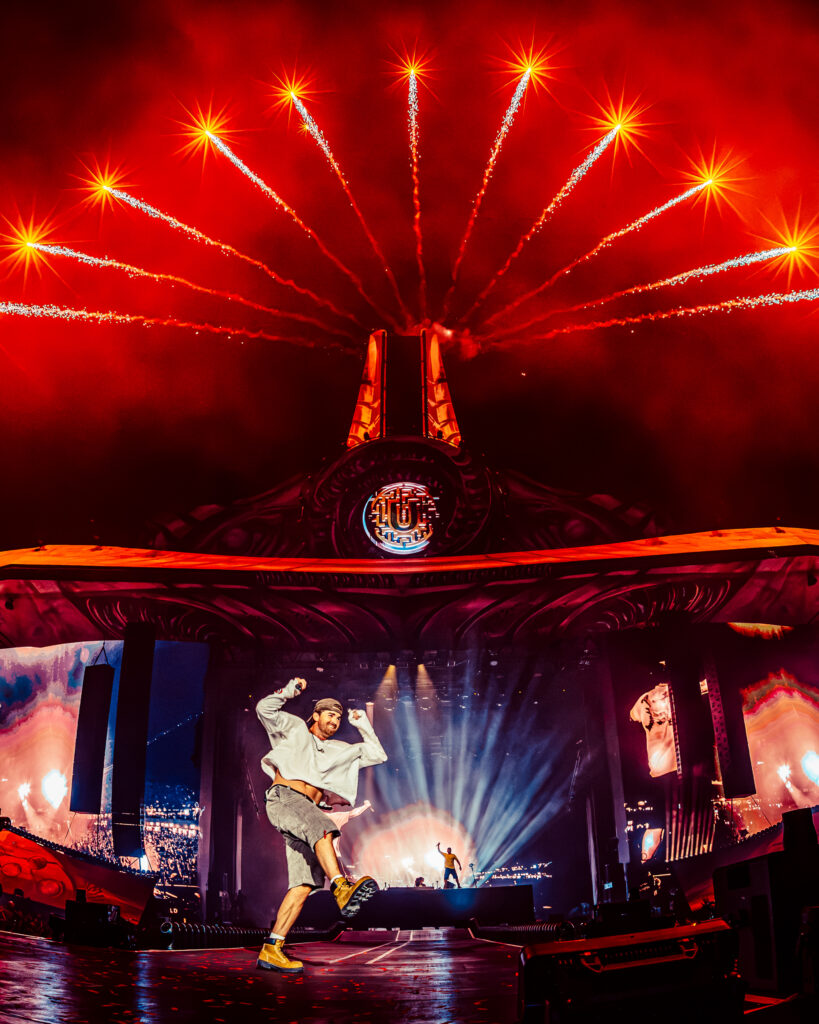
Red fireworks and pyrotechnics exploding above the UNTOLD Mainstage as the crowd raises their hands and phones

UNTOLD ONE 2026 welcomed more than 500,000 festivalgoers to Cluj-Napoca, and narrowing the lineup down to five sets was no easy task.

There are festivals that put together a great lineup, festivals that build impressive stages, and festivals that become destinations in themselves. UNTOLD ONE 2026 managed to be all three. Earlier this August, our team went to Cluj-Napoca from August 6–9 for UNTOLD festival. More than 200 artists performed across the festival, with the event ultimately welcoming more than 500,000 festivalgoers over four days and four nights. But attendance figures only tell part of the story.

What made UNTOLD ONE particularly interesting was the way it continued to push beyond the conventional definition of an EDM festival. The Mainstage delivered the global superstars and enormous singalong moments expected from a festival of this scale, while Galaxy and the other stages offered everything from underground techno to melodic house, urban music and drum & bass. The tram stage provided up and coming artists to showcase their talent while the alchemy stage had some of the biggest hip hop acts of Romania and the world performing there. The result was a festival that could feel completely different depending on where you stood.

With so many incredible performances across the weekend, narrowing the lineup down to just five was an extremely difficult task. When names like Carl Cox, Solomun, Sara Landry and Swae Lee don’t even make the final cut, you know UNTOLD ONE delivered a weekend packed with exceptional music and unforgettable memories.

After four days of music, these are our top five acts from UNTOLD ONE 2026.

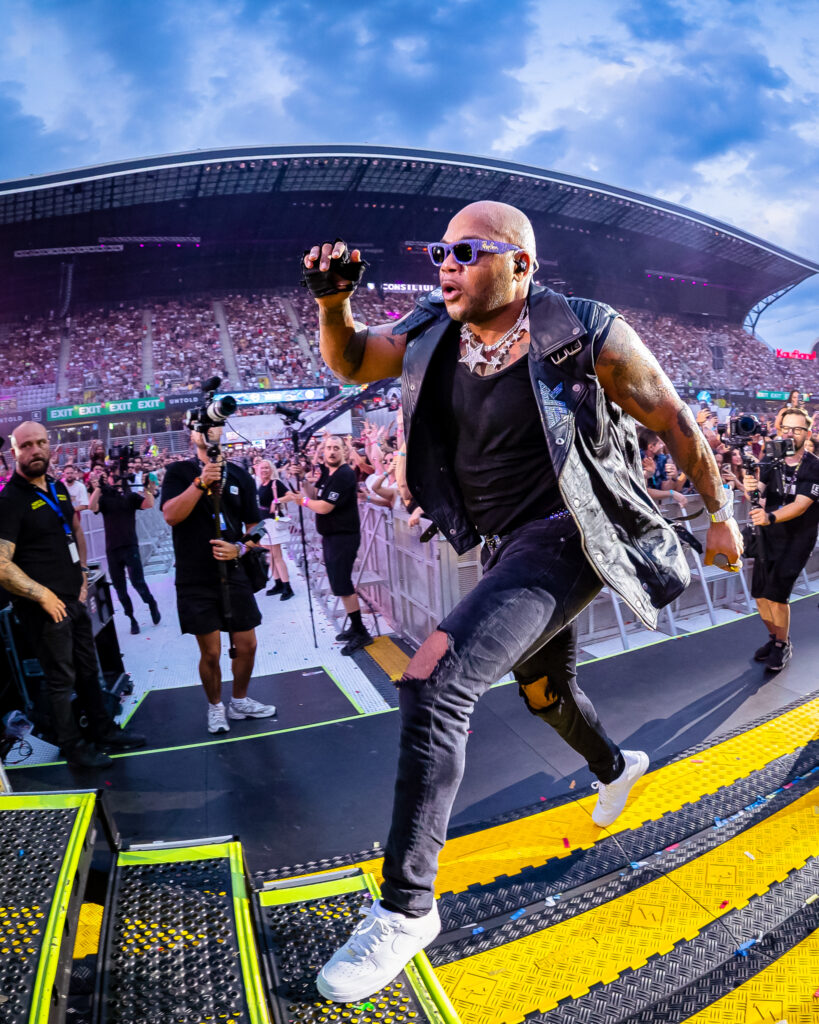
5.Flo Rida

Sometimes a festival set doesn’t need to be complicated, It just needs to be fun and Flo Rida delivered exactly that. Performing at the Mainstage with a catalogue packed with instantly recognizable and nostalgic hits, Flo Rida turned UNTOLD into one enormous party. Tracks like “Low,” “Whistle” and “GDFR” provided the kind of universal crowd reaction that few artists can replicate. In my personal opinion, the crowd was the loudest during his set

His performance also brought a completely different energy to the closing night. After four days of EDM, techno, house and live performances, Flo Rida’s combination of hip-hop, pop and dancefloor anthems felt like the perfect way to celebrate the end of the festival.

It was nostalgic, energetic and incredibly entertaining.
4.Lost Frequencies

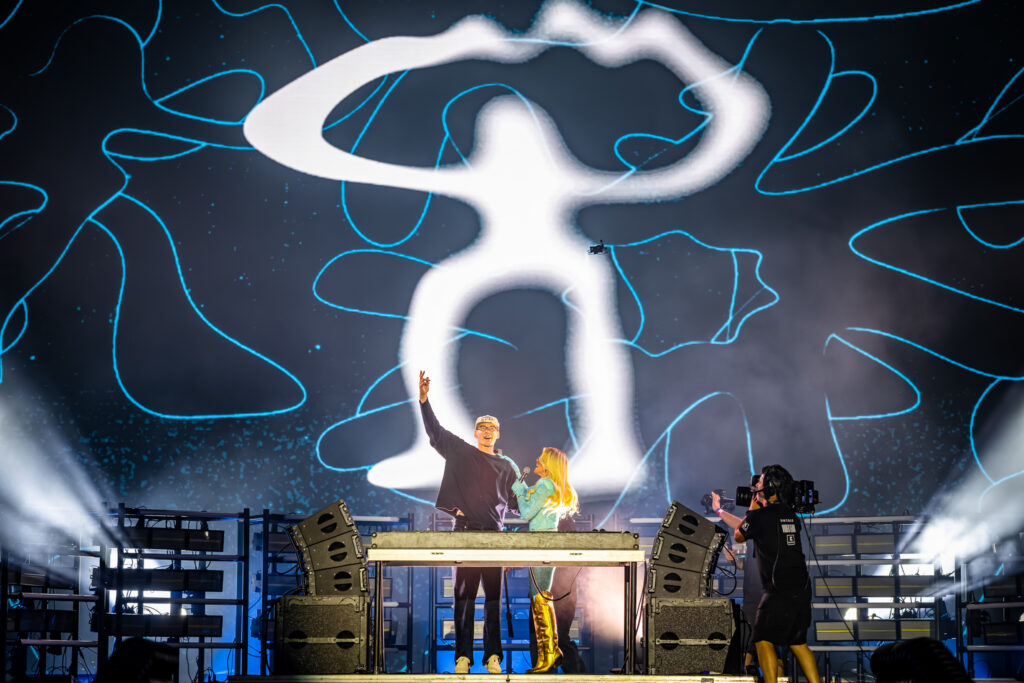
Lost Frequencies delivered one of the weekend’s most versatile sets, combining his melodic house sound with the kind of accessible festival energy that has made him a global name.

His performance was filled with familiar records, emotional melodies and moments designed perfectly for a crowd of tens of thousands.

One of the highlights came when Loredana Groza joined him on stage for their collaboration, bringing an unmistakably Romanian element to an otherwise international festival programme.

That moment summed up what UNTOLD does particularly well: bringing global electronic music together with the local culture and identity of Romania.

Lost Frequencies also demonstrated that you don’t necessarily need the hardest drops or most aggressive production to command a festival crowd.

Melodic, emotional and perfectly suited to the UNTOLD atmosphere.
3.Sebastian Ingrosso

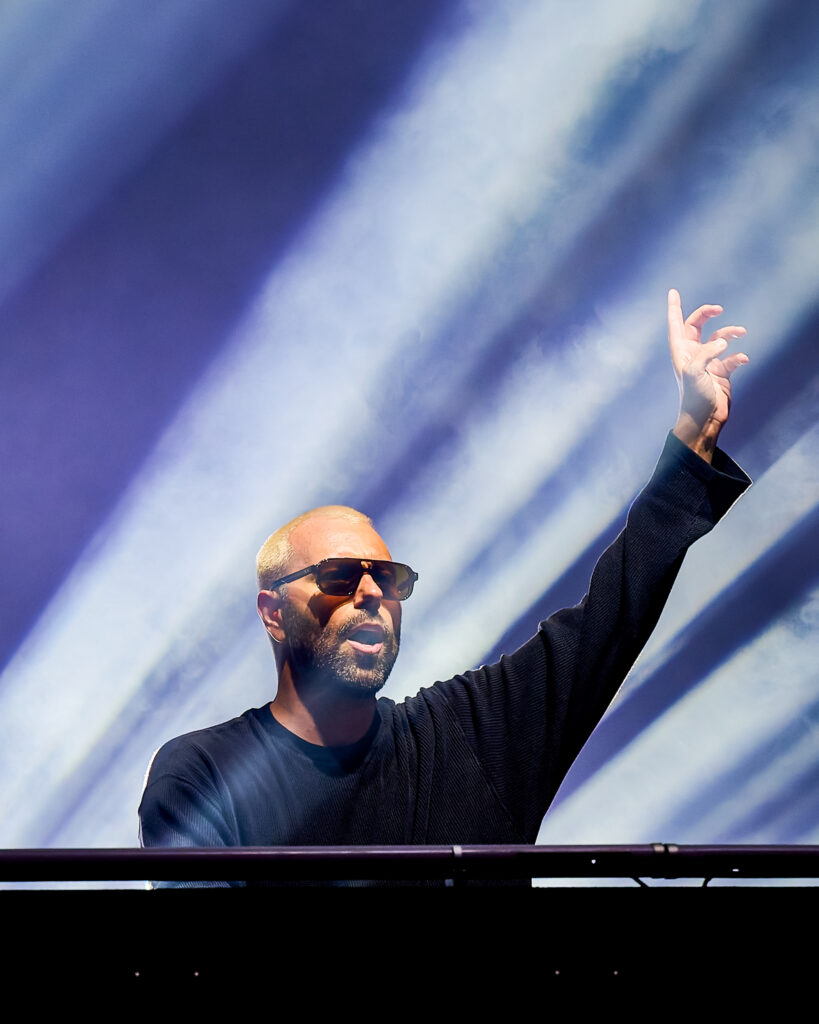
Few artists understand the DNA of a festival quite like Sebastian Ingrosso.

With decades of experience performing on some of the world’s biggest stages, Ingrosso knows exactly how to build anticipation, when to release the energy and, most importantly, which records can turn a massive crowd into one voice.

His UNTOLD set delivered that familiar combination of progressive melodies, huge festival moments and Swedish House Mafia nostalgia, while still feeling relevant to a modern festival audience.

There is something particularly satisfying about listening to whole crowd singing along to “Dont you worry child”, It is one of those festival moments that words cannot really describe. You simply have to be there.
2.The Chainsmokers

It feels unfair to pick top five when there were so many artists pouring their heart out in their performances, one of them was the returning duo of the Chainsmokers, who played their ever green hits such as Dont let me down, Closer and Something just like this but also sharing a tribute to their late friend Juice wrld with “Sugarfish” and their emotional performance of the unreleased ID “Used to call”.

The Chainsmokers have always had a special relationship with festival crowds, and their UNTOLD return showed exactly why. Their set managed to balance nostalgia with the energy of a modern festival performance, taking the audience through some of the biggest records of their career while still keeping the show feeling fresh.
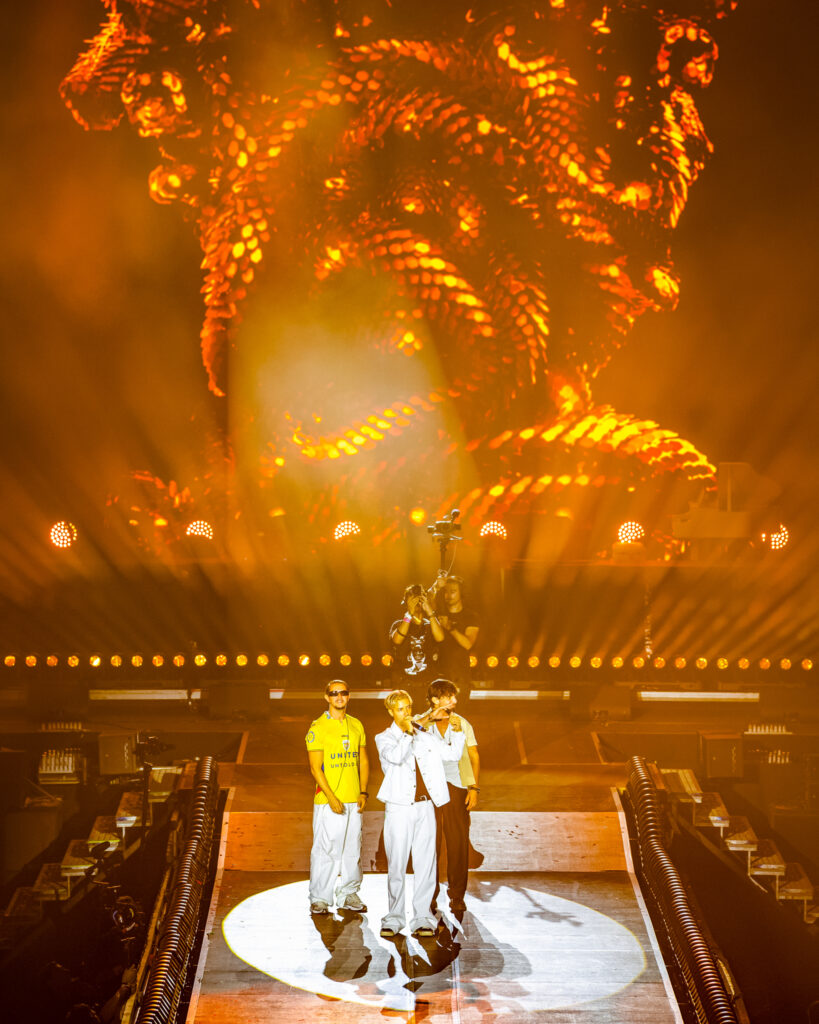
  1. MEDUZA³ LIVE

MEDUZA have become synonymous with some of the biggest house records of the past several years, but MEDUZA³ LIVE took the Italian trio’s sound into a different dimension.

Rather than simply delivering another DJ set, the live concept gave their music a larger, more immersive presentation. Their biggest records such as “Bad memories”, “Piece of your heart” and “Paradise” sounded particularly powerful in the UNTOLD environment, with the combination of live elements, vocals and festival-scale production creating a show that felt closer to a concert than a conventional club set.

It was also one of the weekend’s strongest examples of how electronic music continues to evolve, A polished, energetic and genuinely impressive live electronic performance.
UNTOLD ONE 2026 was a reminder of why the festival has become one of Europe’s most important electronic-music destinations.

It wasn’t simply about having the biggest names on the poster. It was about creating a festival where Lewis Capaldi could deliver an emotional singalong, MEDUZA³ could transform a DJ show into a hybrid live spectacle, Kygo could bring his tropical house vibes to a stadium crowd and R3JACK (Afrojack & R3HAB) could turn the mainstage in a dance floor.

And somewhere else on the festival grounds, Carl Cox, Solomun, Sara Landry, Denzel Curry and hundreds of other artists were creating their own unforgettable moments.

Subscribe to our Newsletter

Spotify and Partnerships manager at EDMHouseNetwork. Occasionally chiming in with some new music and news. You can find me in the front row at a Martin Garrix or Tiesto show.

Editorial

How Atlanta’s Newest Festival Just Elevated the Underground Scene

Unknown's avatar

Published

on

What started as grassroots, techno-driven warehouse parties has officially exploded into the largest techno festival the city has ever hosted.

Over Labor Day weekend on September 4th & 5th, local organizers Twisted Lines debuted Twisted Festival at Atlanta Utility Works. The result was an unapologetic, high-energy atmosphere that marked a turning point for Atlanta’s underground music scene.

The Atmosphere & Stages: Industrial Architecture Meets Raw Energy

​Historic masonry and sprawling ironwork set the tone immediately. Atlanta Utility Works provided an ideal industrial playground for the event. Overall, accommodating three distinct environments designed to give dancers room to move freely throughout the venue.

The Machinery: Enclosed within towering factory walls, this stage delivered the unfiltered, driving industrial grit techno was built upon.

The Ruins: Set inside the open-air foundry framework. This space paired weathered brick structures with precision laser projection as the backdrop.

The Industrial Forest: Tucked away behind the warehouse, this outdoor area combined strobes and organic canopy cover, creating a hypnotic open-air space.

Beyond the architecture, the crowd culture immediately stood out. The dancefloors felt genuinely welcoming, safe, and community-focused, prioritizing mutual respect and a shared love for heavy rhythms over club pretension.

Heavyweight Sound & Relentless Selectors

A proper techno gathering lives and dies by low-end fidelity. Twisted Lines brought in a heavyweight Funktion-One sound system, delivering chest-rattling bass without sacrificing midrange clarity. Acoustic bleed across the three stages was virtually nonexistent, and the audio stayed locked in without a single outage over both nights.

That acoustic power backed a stellar international and domestic roster featuring artists such as Kobosil, Onlynumbers, Ueberrest, EMILIJA, Fenrick, BAUGRUPPE90, and Selective Response. The curation bridged relentless techno, hard grooves, and acid textures. This kept the energy moving from early evening through the late night.

Logistics & Transit

Navigating logistics can make or break an urban event, but access remained straightforward throughout the weekend.

Location & Rideshare: Situated in East Point, the venue sits roughly 10–15 minutes from Atlanta’s International Airport. Rideshare fares generally fluctuated between $5 and $25 depending on departure timing and surge pricing.

Accommodations & Walkability: With multiple hotels located within a 5-minute drive, transit was minimal. The surrounding area also proved easy to navigate on foot, making for a manageable 20- to 30-minute walk (around one mile) to nearby lodging.

On-Site Flow: Bar queues moved quickly, water stations were easily accessible, and entry lines stayed organized even during peak hours.

​What’s Ahead for 2027

Twisted Lines took an ambitious step forward with this debut. They turned underground passion into an expansive, community-centered festival format. The organizers have already confirmed that the festival will return next year, with word spreading that the experience could expand across a full three-day weekend. If this first edition proved anything, it’s that Atlanta’s appetite for underground techno is not just thriving–it’s shaping the future of regional electronic music events.


View this post on Instagram


Subscribe to our Newsletter

Continue Reading

Amsterdam Dance Event News

ADE Insider’s Guide: How to Make the Most of Your Amsterdam Dance Event Experience (Like a Pro)

Unknown's avatar

Published

on

Crowd at Amsterdam Dance Event dancing under blue and purple laser lights inside a packed arena

Amsterdam Dance Event turns an entire city into your festival grounds for five days straight. In 2026, that means October 21–25.

Amsterdam Dance Event turns an entire city into your festival grounds for five days straight, and in 2026 that’s October 21 to 25. If you’ve never done it before, the scale is genuinely disorienting: 300+ venues, thousands of artists, and more good decisions available to you than there are hours to make them in. Longtime attendees, including those who’ve covered the event as media, tend to land on the same short list of things that actually change how you move through the week. Here’s what most first-timers only learn the hard way.

1. Pick the most strategic accommodations you can

This is the decision that quietly shapes your whole week, so sort it before anything else. The downtown core is where most of the action lives, which also makes it the most expensive place to sleep. The smart move is staying just outside it, along a tram or metro line. This way, you can hop into town whenever you need and get back out just as easily.

Hostels are a real option here, not just a budget compromise. ADE fills them with people doing exactly what you’re doing. This makes them genuinely good for meeting people, and a private room at a hostel is often cheaper than a hotel room. So, you still get your own space. Flying Pig and ClinkNOORD are two of the top picks. Both are reliable and both are well connected to the rest of the city.

2. Organize and schedule every event you plan on attending

Before you land, start a running list of every event you actually want to hit. Drop the key ones into your phone calendar so you get reminders, then build a proper Google Sheet alongside it. For each event, track the name, the headliner or DJs playing, the venue address, and your guest list contact if you have one.

It feels like overkill in August. However, it saves you in October, when you’re standing outside a venue at midnight trying to remember which artist’s manager you were supposed to text.

3. Get on the guestlist, don’t count on the Pro Pass alone


Most people at ADE are running on a Pro Pass, and it earns its price since it gets you into most of the program. If you’re media, a press pass gives you a little more room than the Pro Pass. But here’s the catch either way: with that many pass holders trying to get into the same rooms, capacity limits turn into one in, one out. As a result, you can end up stuck outside a venue you had every right to be in.

The only real way around that is getting on a guest list, ideally from the event producer or, better yet, from the DJs playing. A spot on the list beats any pass in your pocket. Start reaching out before you land, not after.

4. Plan your routes like a tour manager

ADE is not centered on one festival ground. Venues are scattered across the entire city. Some of the best ones sit well outside the downtown core. If you actually want to catch every artist on your list, you need to map the distance between venues, not just the events themselves.

Amsterdam was not built for cars, so public transit is how you get around. The good news is the Pro Pass comes with a free transit pass through GVB, the city’s transit authority. Sign up for it the moment you get your Pro Pass. Next, look up every address ahead of time and build in more travel time than feels necessary. Trams and buses during ADE week get packed, sometimes with pop-up performances happening right on board. Therefore, treat extra time as part of the plan, not a backup.

5. Cut your list of events down to your top 3-4 per day

Here’s the reality: most of your favorite DJs will be in the city at the same time, and on any given day you could probably find six shows worth going to. Your body will not cooperate with that plan. Between sleep and the travel time between venues, something has to give.

What works best is picking three or four events a day to actually commit to, and leaving the rest of the day open. Decide those in advance. This way, you’re not making the call at 2am when you’re exhausted and everything sounds like a good idea.

6. Leave Room to Go With the Flow


Planning gets you most of the way there, but some of the best moments at ADE come from what you didn’t plan. This is a week built for networking, and you will meet people: someone who works at a label you love, someone on an artist’s team, an event producer whose parties you’ve always wanted into. They might invite you somewhere that was never on your list. Even so, it might turn out to be exactly where you needed to be that night.

This is another reason the Pro Pass is worth it over buying individual tickets: you’re not losing money by bailing on a plan. Hold your schedule loosely enough that you can actually say yes when the moment shows up.

7. Protect your sleep and add it to your schedule

Some nights run until 6am. Some daytime programming starts at 10am. If you don’t actively schedule sleep into your week, ADE will happily take it from you. Be honest with yourself when you’re building your calendar. And don’t skip the daytime side of it either: a lot of the talks and conferences are genuinely worth attending, which sometimes means sacrificing a party the night before so you’re actually present for them the next morning.

8. Bring a set of winter clothes, just in case

ADE lands in the third week of October, and Amsterdam weather at that point can go either way. Some years it stays mild, other years it turns flat-out winter cold. Pack a real jacket, a scarf, and a hat, even if you’re hoping you won’t need them. Between the lack of sleep, the cold rain, and running around the city all week, it’s remarkably easy to get sick, and being underdressed is the fastest way there.

9. Eat smart

Amsterdam has excellent food and no shortage of ways to overspend on it. Grocery stores are everywhere, so grab something premade and cheap for lunch, a sandwich, a wrap, a bowl, and save your real budget for dinner. When you do eat out, noodles and shawarma or doner are consistently the best value you’ll find. Albert Cuyp Market is a good one-stop option for exactly that, a dense strip of stalls where you can eat well without spending much.

10. Network the Right Way: Get the WhatsApp

When you meet someone worth staying in touch with, go straight for their WhatsApp. Don’t bother asking for Instagram or email in the moment, both tend to get buried and ignored. Once you’ve had an actual conversation on WhatsApp, Instagram and email naturally follow from there. WhatsApp is where people actually talk, email is where business gets done once the relationship exists, and Instagram is where you stay loosely in touch after. If you’re serious about turning ADE contacts into real connections, WhatsApp first is the move.

ADE rewards people who plan and people who stay loose in equal measure. Get the logistics right, then let the week surprise you.

Subscribe to our Newsletter

Continue Reading

Editorial

The Science Behind Why Dancing to EDM Can Feel Therapeutic

Unknown's avatar

Published

on

Close-up of two women with eyes closed and arms raised, dancing joyfully in a crowd bathed in red festival lighting, expressing emotional release on the dancefloor.

The science behind why dancing to EDM can feel therapeutic and support emotional regulation, movement and social connection

Have you ever wondered why people say “EDM is therapy” or “raving is therapy” after spending hours dancing at a festival or club? For many people, it is not just about enjoying the music, but about the way repeated movement, familiar tracks and dancing alongside other people can leave them feeling calmer, more connected or mentally lighter afterwards. Those descriptions are usually casual, but they point to something researchers have increasingly been studying through the relationship between music, movement and emotional regulation. Recent work has examined how physical responses to music can affect psychological wellbeing, while studies involving dance music attendees have looked more closely at what happens when movement and shared emotion come together on the dancefloor. A 2025 study involving 612 dance music event attendees found that a stronger desire to dance was associated with greater embodied pleasure, which was closely linked with emotional synchrony and social connection. Alongside emerging research into conscious dance and trauma recovery, those findings offer a scientific basis for examining why dancing to EDM can feel therapeutic, and where the comparison between raving and therapy actually holds up.

Why Dancing to EDM Can Help the Body Process Stress

A 2026 study published in Psychological Trauma examined a conscious dance and expressive arts intervention called Rhythms of Resilience among adults with complex trauma histories. The program combined mindful movement to music with expressive arts across six weekly group sessions, with researchers looking at whether the intervention could support self-regulation and social connectedness. Half of the participants who completed the program reported clinically significant reductions in post-traumatic symptoms, while the group also showed increases in compassion and social engagement. The study did not find measurable changes in emotion regulation itself, which is important because it limits how far the findings can be taken. What it does suggest is that structured movement to music may support some of the psychological and social processes linked with recovery, particularly when movement is combined with reflection and group participation. That makes it relevant to the discussion around dancing to EDM, where repeated movement, music and shared participation are already central parts of the experience.

In a dance music setting, the significance may lie in how little conscious effort that movement requires once someone is fully engaged with the music. Instead of deliberately trying to regulate an emotion, attention can shift toward the beat, the physical repetition and what is happening in the present moment, which may temporarily reduce the amount of focus given to stress or intrusive thoughts. That could help explain why people often describe long periods of dancing to EDM as mentally clearing or releasing, even when they struggle to explain exactly why afterwards. The effect is also likely to vary from person to person, since music preference, comfort in the setting and personal associations with certain tracks can all influence how someone responds. In that sense, the therapeutic feeling may come less from EDM itself and more from what sustained movement to personally meaningful music allows the mind and body to do for a period of time

From Personal Recovery to Collective Release Through Dance

Dancing can take on a different role when the music connects with something an artist or audience is already trying to work through, which is why certain performances can mean far more than simply seeing a DJ play. Skrillex’s five-hour Red Rocks show in 2023 is one example, taking place after he had spoken openly about the death of his mother, depression and problems with alcohol during a difficult period in his life. With no special guests and five hours spanning different parts of his career, the night gave Skrillex and the crowd hours to dance, sing and react together, while he later described it as one of the best nights of his life.

A different kind of return came with Hardwell at Ultra Music Festival in 2022, four years after he stepped away from an intense touring schedule and later spoke about the importance of taking time away when an artist begins to feel burnt out. Reflecting on that period, Hardwell said it was crucial to step back when needed, while his return to Ultra placed him in front of a major festival crowd again with an entirely new body of music. He admitted that he had no idea how the audience would respond to a set consisting entirely of unreleased material, making their reaction particularly meaningful after several years away from touring.

The role of movement becomes more obvious when thousands of people physically participate in the same moment. During Defqon.1’s Power Hour in 2023, around 65,000 attendees jumped from side to side together during its well-known Left-Right crowd movement, turning thousands of separate reactions to the music into one coordinated action across the festival. The moment works differently from an artist returning after a difficult period, but it shows another side of why dancing can become significant, particularly when the physical response is shared by almost everyone around you.

At ODESZA’s final The Last Goodbye tour shows at The Gorge in 2024, dancing was accompanied by years of memories connected to the music, with the ECHOES installation featuring emotional voice messages from attendees about what ODESZA had meant to them. Thousands of people encountered those messages while attending the three closing shows, bringing personal memories into an event that was already marking the end of a long-running tour. Moments like these help explain why dancing can feel therapeutic under very different circumstances, whether movement becomes part of getting through a difficult period, returning to something after needing time away or experiencing an emotional response alongside thousands of other people.

For many people, the therapeutic feeling associated with dancing to EDM may come from more than simply enjoying the music or taking a break from everyday stress. The response can develop through repeated movement, the physical focus of dancing, the meaning attached to certain tracks and the experience of moving alongside other people for long periods of time. Research into conscious dance and dance music events supports the idea that movement, social connection and shared emotional responses can all contribute to how someone feels during and after the experience, while real festival and performance moments show how differently that can play out depending on the person and the context. By the time someone leaves a club or festival after hours of dancing, the change they notice may not come from one single part of the night, but from the way music, movement, memory and connection have worked together across the whole experience.

Subscribe to our Newsletter

Continue Reading

Trending