
EDM news
Is Social Media Making Gen Z Afraid to Dance?

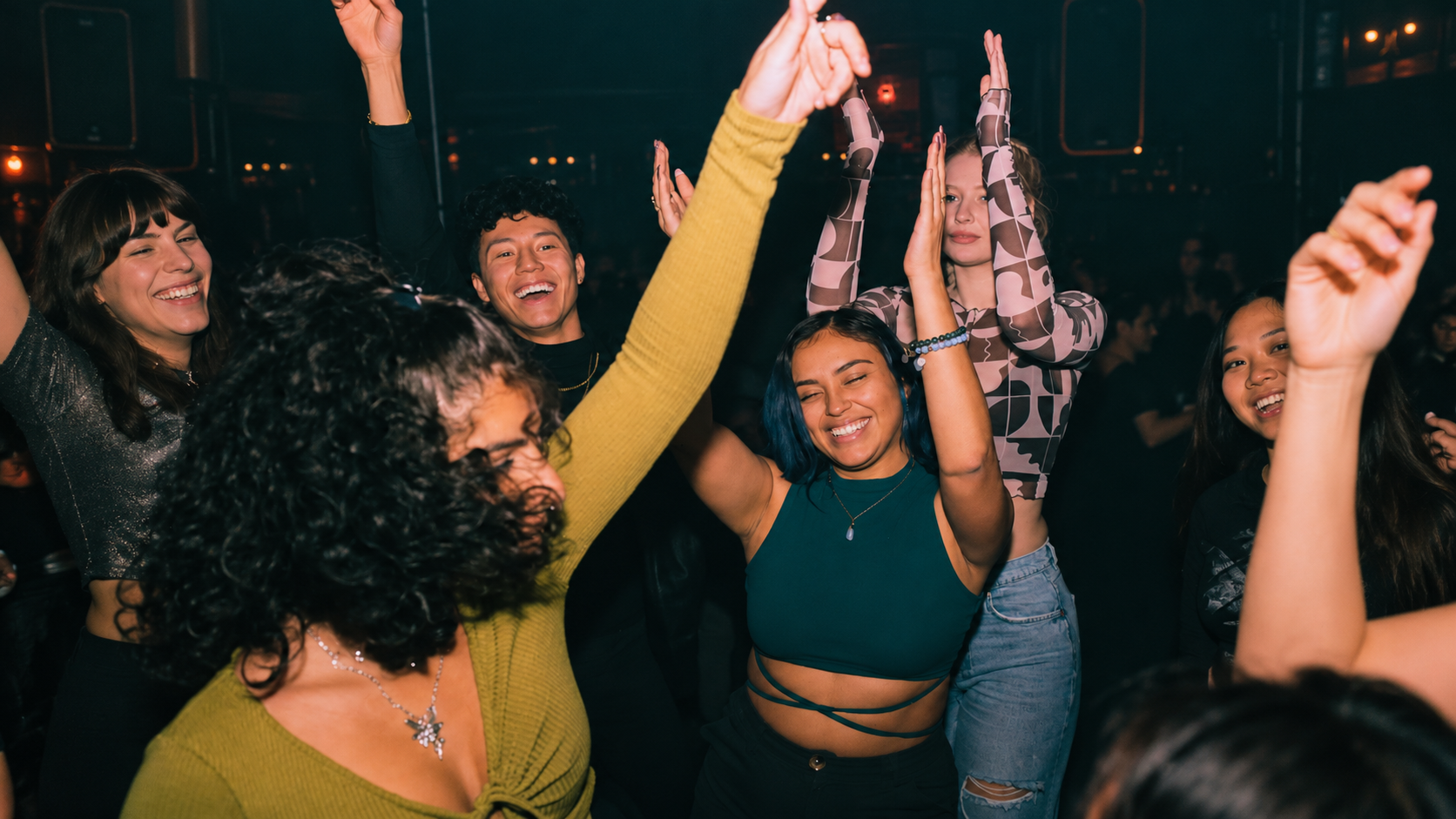
Fear of social media is making Gen Z more hesitant to dance, with nearly half worried about being recorded and posted online without consent
A new LifeStance Health study suggests that fear of unwanted recording is changing how Gen Z behaves in public. Nearly half said they avoid dancing because they worry someone could film them and post the footage online. Another 72% said the possibility of going viral affects whether they want to leave the house or attend events. As cameras remain common across clubs, festivals and other social spaces, those concerns are becoming increasingly relevant to nightlife.
What the Study Found About Gen Z and Going Viral
Dynata conducted the survey for LifeStance Health in July 2026, questioning 1,000 U.S. adults about unwanted recording and online sharing. Among Gen Z respondents, 49% said they avoid dancing because they fear becoming someone else’s social media content. The figure shows how the possibility of ending up online can affect something as ordinary as dancing in public.
For some, the hesitation begins before they even decide to go out. 72% of Gen Z said going viral can affect their desire to leave the house or attend an event. Another 74% said the concern makes it harder to enjoy the present moment. Worry about what could happen online can therefore follow people from the decision to attend through to the event itself.
Once they are there, some respondents also appear more careful about how they act around other people. 43% said they hold back strong emotions or opinions, while 38% avoid acting silly or telling jokes. In nightlife, those are often the moments that happen without much thought. Knowing someone nearby could turn them into a video can make people think twice before simply enjoying themselves.
Why Phone-Free Dancefloors Are Becoming More Common
Interest in phone-free events has been growing alongside those concerns. Eventbrite found that listings increased by around 567% globally in 2025, with attendance also rising sharply. The change was even greater in the UK, where listings increased by 1,200% and attendance by 1,441%.
Many venues have responded by focusing on the dancefloor rather than banning phones completely. Shelter and The Loft at Amsterdam’s A’DAM Tower introduced no-photography policies, while The Warehouse Project and Lakota have also restricted filming. Attendees can still keep their phones, but the rules reduce the chance of someone recording them while they dance.
London club night Lost takes a stricter approach by asking attendees to place their phones inside sealed magnetic pouches. They regain access once they leave, removing the opportunity to film during the event itself. For anyone worried about unexpectedly appearing in somebody else’s post, that takes away much of the uncertainty that comes with a room full of cameras.
Smart Glasses Are Making Privacy on the Dancefloor More Complicated
Even a phone-free policy becomes harder to manage once cameras no longer need to be held in someone’s hand. Smart glasses can capture audio and video while looking similar to ordinary eyewear, giving people nearby far less indication that recording is taking place. The European Data Protection Board raised those privacy concerns in October 2026 as wearable recording technology becomes easier to use discreetly.
A covered phone lens or a request to keep devices in pockets does little when recording can happen through glasses instead. Venues trying to limit filming may therefore have to think beyond phones as wearable cameras become more common. The same rules that once made a dancefloor feel more private may no longer offer the same reassurance.
For younger attendees who already worry about where an unwanted clip could end up, that uncertainty changes more than whether they pull out a phone themselves. Dancing freely can also mean accepting that someone else may record the moment without them noticing. As cameras become less obvious, privacy could play a much bigger role in whether people feel comfortable enough to enjoy the dancefloor without thinking about what might appear online afterwards.


