
Interview
Luca Lewis Interview: The Former Pro Footballer Building Adriatic Sound Festival


Luca Lewis interview, the former footballer details how he transitioned from football to the festival stage as founder of Adriatic Sound Festival.
At just 24 years old, with no event industry experience and a career spent on the football pitch, Luca Lewis did something many would only dream of when he poured his savings into a music festival in a small Italian coastal city most of the world had never heard of. The result was Adriatic Sound Festival, a debut electronic music event in Fano that drew close to 20,000 fans, recruited the stage architects behind Beyoncé and Adele, and transformed a regional airport into what Lewis calls an “Axis Mundi”, an ancient Roman concept of the point where sky and earth meet. Now, with year two on the horizon, the former New York Red Bulls goalkeeper is just getting started. We had the pleasure of chatting with him about his experiences and plans for the 2nd edition and beyond.
Luca, thanks for taking the time to speak with us. How are you doing, and where are things currently at in the planning process for Adriatic Sound Festival 2026?
I’m doing great, thank you. Right now, we are deep in preparation for the 2026 edition, and everything is moving very fast. A lot of the creative direction, stage concepts, and lineup planning have been happening for months already. Our team spends hours every day discussing every small detail — even something as simple as an Instagram post can turn into a long conversation. For us, every piece matters because we’re not just building a festival, we’re building a world around Adriatic Sound.
Year two is about refining what we created in year one while taking everything to a bigger level — larger production, enhanced stages, and a few surprises we can’t reveal yet.
Adriatic Sound Festival made its debut last year. Looking back now, what were the biggest highlights for you, and what did that first edition teach you?
What started as a dream really grew far beyond our expectations. The energy from the crowd, the artists, and the city was incredible. Seeing people from all over the world arrive in a small place like Fano was surreal.
One of the biggest highlights was working with Stufish Entertainment Architects. They design stages for Beyoncé, Adele and some of the biggest shows in the world. When we first spoke with them, we had zero expectations — our budget was small compared to the projects they usually work on. But they came to Fano, fell in love with the city and the concept, and we built a really beautiful relationship.
Year one also taught me everything. I started this festival without even knowing what an artist rider was. But sometimes not knowing the rules helps you move faster. We approached everything as humans, not as robots, and I think that’s why artists and people connected with us so quickly.
With that first year behind you, what are some of the biggest things you’re improving for 2026 — and what were the elements from year one that you knew you had to keep?
For 2026 we’re increasing production, improving the stage design, and refining the overall experience for attendees. The stages will be more immersive, the storytelling around the festival will be stronger, and we’re continuing to develop the Roman-inspired theme that connects the festival to Fano’s history.
What we absolutely wanted to keep is the soul of the event. Adriatic Sound was never meant to be just another lineup poster. We always say people should come to experience the ASF world, not just a specific artist. That philosophy is very important for building a festival that lasts for many years.
Before launching Adriatic Sound Festival, you had a career as a professional footballer. How did music fit into your life during those years, and when did you start thinking about building something in the music world?
Music has always been a part of my life, especially during my football years. Long bus rides, locker rooms, and travelling constantly, music was always there.
But eventually, I started to fall out of love with football. The politics, the agents, and the business side of the sport started to take away the joy that made me fall in love with it in the first place. At a certain point, I said to myself, “screw this.”
I had been lucky enough to save some money during my career and make a few investments, so I decided to push everything into something I really believed in. With the same passion and dedication I had put into becoming a professional footballer, I decided to put them into Adriatic Sound.
Do you remember the moment or idea that made you think: “I want to create a music festival”? What sparked that decision?
This really started with one of my best friends, Nicolò, who is now my business partner and handles everything locally in Fano. My father also played a big role in helping us navigate the legal side and all the bureaucratic challenges in Italy.
I grew up near the Fano airport, where the festival takes place. One day, I was looking at that space and thought to myself, “This would be an incredible place for a festival.”
I remember telling some of my friends about the idea and they started laughing. One of them said, “Luca… you’ve never even organized a birthday party.” Which, to be fair, was completely true.
But sometimes the craziest ideas are the ones worth chasing.
What were some of the biggest challenges you faced while bringing Adriatic Sound Festival to life?
The biggest challenge was convincing people that this could actually work. Bringing international artists to a very small town that most people around the world had never heard of is not easy, especially for a year-one festival.
We had to convince artists, agencies, partners, and investors that this vision was real. But what helped us was the project’s authenticity. We weren’t pretending to be something we weren’t.
Another challenge was learning everything from scratch. I didn’t come from the music industry, so every step was new. But when you care deeply about something, you find a way to learn very quickly.
What do you think makes Adriatic Sound Festival stand out from the rest?
I think the difference is the level of passion and attention to detail behind everything we do.
Our marketing team, our creative team, and everyone involved spend hours every day discussing the smallest details. From stage design to storytelling to social media — everything is thought through carefully.
We also wanted to create something deeply connected to Fano’s identity. The Roman history of the city, the Adriatic Sea, the airport location — all these elements shape the atmosphere of the festival.
It’s not just music. It’s a place where history, architecture, and culture meet electronic music.
What kind of atmosphere and experience do you want people to feel at the festival?
We want people to feel like they’ve stepped into a different world.
When you arrive at Adriatic Sound, you’re not just entering a festival — you’re entering an experience inspired by Roman history, the Adriatic coast, and electronic music culture.
At the same time we want it to feel warm and human. Artists, fans, partners — everyone is treated the same. Whether you’re the headliner or the first artist playing in the afternoon, you’re part of the family.
That sense of community is very important to us.
You’ve already started announcing the 2026 lineup. How is this year’s edition shaping up so far in terms of artists, production, and the overall experience?
The lineup for 2026 is something we’re really proud of. It’s carefully curated and not just a list of commercial names designed to attract crowds.
We want artists who understand Adriatic Sound’s vision and want to be part of building something special.
Production will also take a big step forward this year. The stages will be more ambitious, the storytelling around the festival will be stronger, and the overall experience will feel even more immersive.
Finally, is there anything you’d like to say to fans and readers who are thinking about attending Adriatic Sound Festival this year?
If you’re thinking about coming, just know that you’re not only coming to a festival — you’re becoming part of a story that’s only just beginning.
Adriatic Sound was built with love, passion, and the dream of connecting a small place like Fano to the world. Today the festival also supports the local community, creating more than 500 jobs and bringing thousands of visitors to local hotels, restaurants, and businesses.
I truly believe that, with its history, sea, and culture, Fano can become a global destination for electronic music.
And we’re just getting started.
Subscribe to our Newsletter


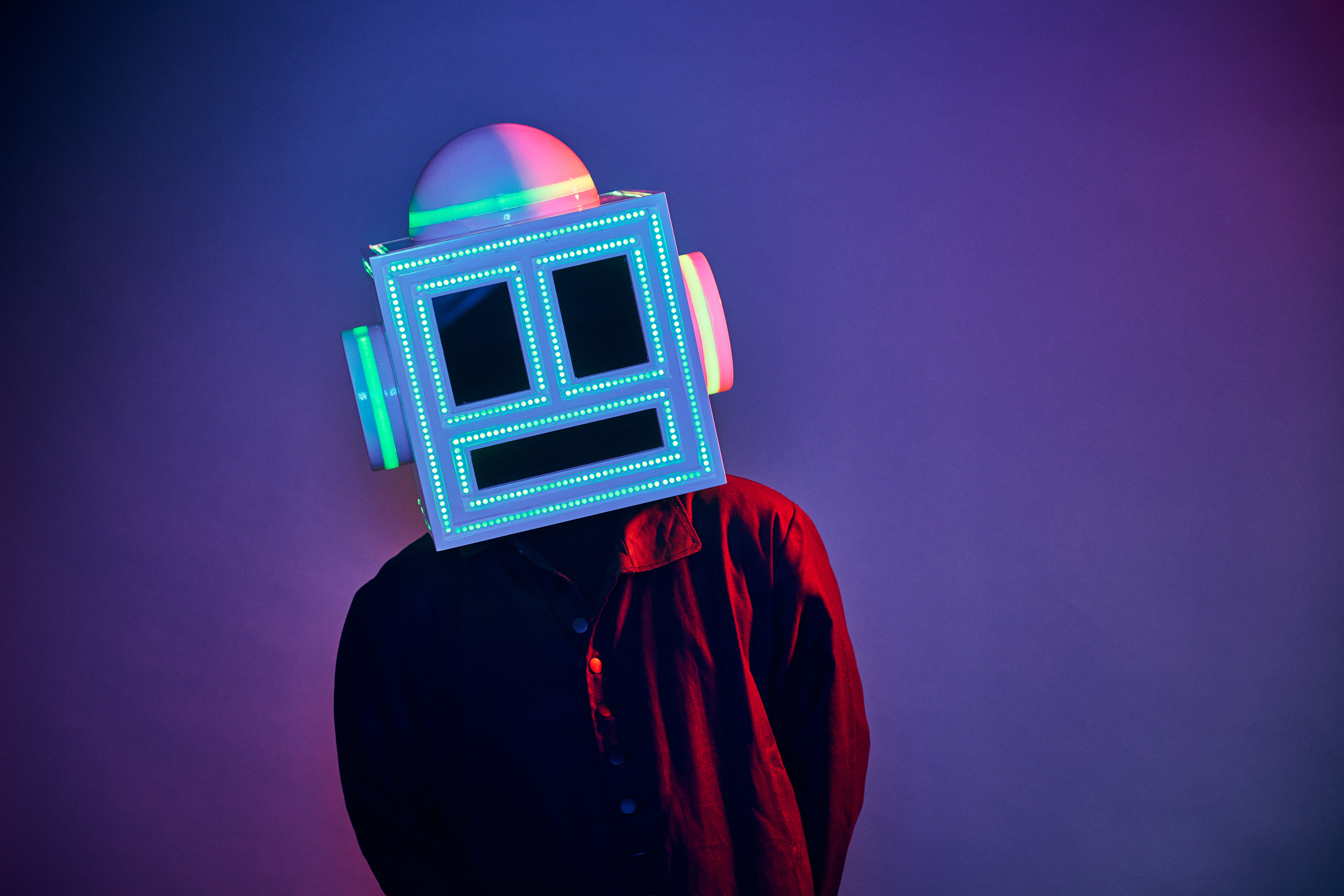
MEETCH interview about his new single ‘Reflections’ with Lacey, his Ørjan Nilsen collaborations and what’s next for the robot-headed producer
Subscribe to our Newsletter
Promo Push head of promotions Russell Biles explains how the UK company promotes dance music releases across DJ, radio, press and Spotify campaigns
Promoting releases from the likes of MK, Chris Lake, Claptone, Above & Beyond, Tiësto, Diplo, Flashmob, DJ Hype, Axwell, Jamie Jones & Vintage Culture – Promo Push was founded in 2011 & is one of the industry leaders in dance music promotion, based in the UK.
Speaking to Russell Biles, head of promotions at Promo Push - we asked some questions about the company & how they promote a release in today’s dance market.
Since the launch of Promo Push in 2011, how have the range of services you offer evolved?
We launched with a firm focus on DJ & Club promotion, delivering genre specific & bespoke campaigns – across the electronic music landscape. The next natural progression, was us moving into dance radio promotion & we’ve built an extensive network with international heads of music, playlist managers & mix show hosts. Online Press campaigns then followed & we work with a range of music journalists & editors at dance music publications – closely aligning online coverage & building further awareness around a release. In 2019, we also moved into Spotify promotion – with us pitching to a range of leading 3rd-party playlist curators.
Musically, what dance music genres does your DJ promotion cover?
Whether it’s a House, Tech House, Deep House or Nu-Disco leaning track, a melodic Techno or Trance record – or Mainstage release, we deliver tastemaker DJ & 1001 Tracklists mix show promotion. With a deep understanding of the industry, each of our DJ / Club campaigns are tailored & finely tuned. Working with both major & independent labels, along with management agencies & directly with artists – from underground clubs to festival main-stages, we get our client’s release to the right DJs at the right time.
Across your radio promotion, what territories do you focus on?
Our radio promotion is international & reaches in to each key global territory. We target dance music stations & specialist DJ shows worldwide, including across BBC Radio 1, SiriusXM, Radio 538, Kiss FM, One World Radio, Ibiza Bpm Radio, SLAM FM! & stations throughout Europe, USA, Australia & beyond. In addition to FM stations, we also push to an array of specialist digital & online dance stations and use the monitoring tool WARM (World Airplay Radio Monitor) for tracking plays & radio support.
Do your campaigns follow a specific timeline?
Each Promo Push campaign runs over four weeks & we report to clients weekly, with feedback & scores from DJs / Radio and who’s listened, reviewed and intends to support. Our Press & Spotify campaigns also run over a four timeframe, with weekly reporting too & detailing each Press feature / Spotify placement we’ve secured – with direct links to each. We provide a full & comprehensive summary with the final reporting, ideal for our client’s Press pack and their future release planning.
In terms of your Press service, can you tell us more about how this works?
We offer standalone Press campaigns, or including DJ & Radio promotion – as part of our Prime Tier. From leading online dance publications, to influential niche blogs — our Press network covers a wide spectrum of sites that dance music fans read. Press release curation is included in our service & our weekly reporting is in PDF, providing coverage links – readership estimates & a full overview of online release traction.
With Promo Push delivering over 4,000 campaigns to date & working with the likes of Anjunabeats, Axtone, SIZE, Ministry of Sound, Positiva, Spinnin’ Records & Defected Records – they continue to promote releases from some of dance music’s most established labels & artists, along with the best up & coming talent.
Connect:
www.promopush.com
[email protected]
+44 (0) 20 3633 1721
Subscribe to our Newsletter
Interview
A.N.I. Interview: Classical Roots, Keytar Moments, and Why She Refuses to Stay in One Lane
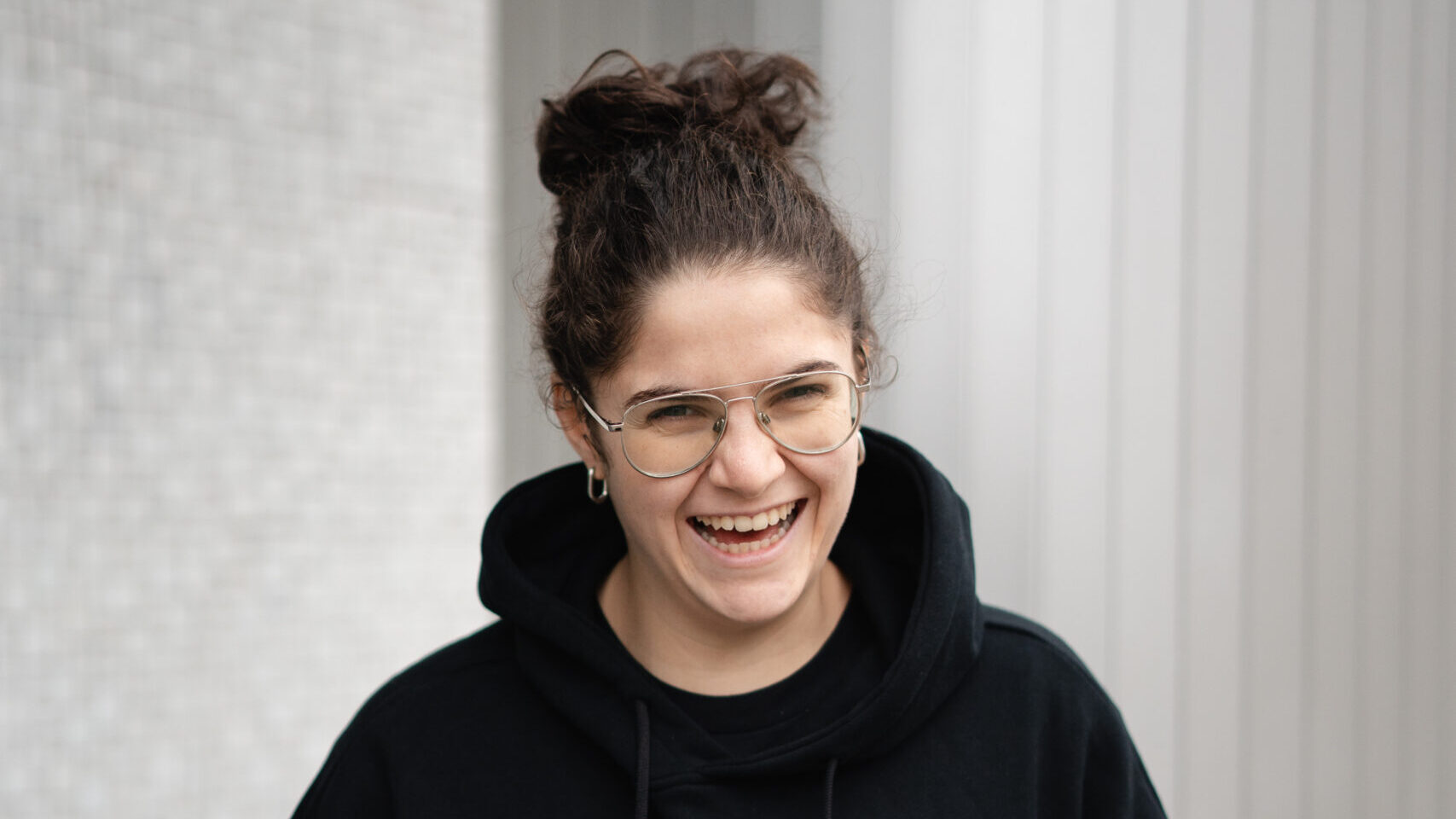
After a summer through Hive Festival, Tomorrowland and Verknipt Croatia, A.N.I. sits down to talk classical roots and the hard techno craft.
Subscribe to our Newsletter
-
 EDM Music3 days ago
New EDM Friday Oct 9: David Guetta, Armin van Buuren & More
-
 EDM Music3 weeks ago
New EDM Friday Sep 18: HALŌ, HUGEL, Sara Landry & More
-
 EDM Festival News4 weeks ago
Lost Lands Announces Full Set Times and Streaming Details
-
 Amsterdam Dance Event News5 days ago
ADE Announces Full 30th Anniversary Program
-
 EDM Festival News4 weeks ago
Tomorrowland Winter 2027 Dates and Ticket Sales Announced
-
 EDM Music2 weeks ago
New EDM Friday Sep 25: Charlotte de Witte, Armin van Buuren & More
-
 EDM Music1 week ago
New EDM Friday Oct 2: Martin Garrix, Dom Dolla & More
-
 EDM Festival News4 weeks ago
Djakarta Warehouse Project Unveil First Lineup Phase For DWP 2026
