Connect with us

David Guetta News

Topic, Robin Schulz, Nico Santos & Paul van Dyk Release Modern Take On Trance Classic!

Unknown's avatar

Published

on

German-Croatian DJ and producer Topic and fellow German singer-songwriter Nico Santos collaborate for the third time on the beautifully melancholic ‘In Your Arms (For An Angel)’. The track follows their 2020 hit ‘Like I Love You’ and the duo’s 2015 debut ‘Home’, which reached platinum in Germany and double platinum in Australia. Now adding house legend Robin Schulz to their successful duo, ‘In Your Arms (For An Angel)’ is set to dominate the charts worldwide.

‘In Your Arms (For An Angel)’ sees the trio bring a tasteful update to launch the anthemic Paul van Dyk classic ‘For An Angel’ to a new generation. The track is centered around the piano riff from PvD‘s all-time dance classic. Van Dyk, voted #1 DJ In The World twice and nominated for a GRAMMY Award, is one of the pioneers of the trance sound itself, and ‘For An Angel’ was his breakout hit in the golden age of the genre.

A beautifully mellow deeper house groove underpins Santos’ yearning vocals, with soft chords, warm bass tones and a beautiful piano interpolation of Paul van Dyk’s legendary trance riff. It’s joyous and melancholic and hugely catchy at once. It should be no surprise that these four make such a perfect pairing, all known for their ability to create highly emotive sounds. Nico Santos is certified with 15 gold and 20 platinum awards – not only in Germany, Austria, and Switzerland, but also in Australia, Mexico, and Spain. He developed his songwriting craft in impressive fashion, recently awarding him with the prestigious German 1 Live Krone Award for Best Song 2021.

Topic has become a serious sensation in recent years, counting outstanding collabs and remixes to his name with and for the likes of Lil Baby, Moby, Bebe Rexha, ATB, Becky Hill, and Clean Bandit — not to mention over 18.5 million monthly Spotify listeners. With huge hits like the 2 billion-times-streamed ‘Breaking Me’ with A7S, he has a serious catalog under his belt, and this gorgeous new track ‘In Your Arms (For An Angel)’ featuring Germany’s biggest stars, Robin Schulz and Nico Santos, is the latest to join it.

German house music producer and DJ Robin Schulz became an overnight sensation with his GRAMMY-nominated remix of ‘Waves’ back in 2014 and has amazed crowds from all over the world ever since. With tracks such as ‘Shed a Light’ featuring David Guetta and Cheat Codes, ‘In Your Eyes’ featuring Alida, and ‘All We Got’ featuring KIDDO, Schulz has made his mark on the industry. ‘In Your Arms (For An Angel)’ is set to be yet another huge hit for the German star.

Topic’s notable successes include being nominated at the 2022 Brit Awards for International Song Of The Year, the 2021 Billboard Music Awards, MTV EMAs, and Teen Choice Awards for Best Dance/EDM Song, hitting #6 in the Spotify Global Top 200, and hitting #1 on the Shazam Global Top 200, iTunes, and the Mediabase US Dance Radio Airplay Chart. ‘In Your Arms (For An Angel)’ looks set to catapult him into 2022 in a big way and snaffle up yet more of these huge accolades.

Subscribe to our Newsletter

Founder, Owner & Manager of EDMHouseNetwork. Instant lover of all things electronic dance music from the moment I heard Fatboy Slim and The Prodigy. After pursuing a career as a DJ, creating EDM content quickly became a love of mine and it has been my mission to keep delivering high quality content ever since.

Continue Reading
Click to comment

Leave a Reply

Your email address will not be published. Required fields are marked *

David Guetta News

EDC Orlando Reveals Massive Lineup

Unknown's avatar

Published

on

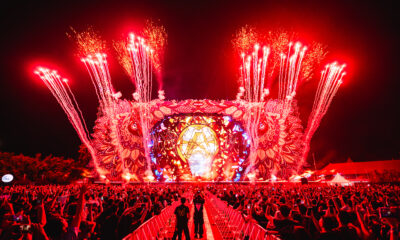
A packed crowd at EDC Orlando watching the mainstage during a nighttime fireworks display with red pyrotechnics, lasers, smoke, and bright stage production.

EDC Orlando Reveals Massive Lineup for November 2026 With Martin Garrix, Hardwell, David Guetta, Alesso, and more

EDC Orlando has revealed its massive lineup for November 2026, with the festival returning to Tinker Field in Orlando, Florida from November 6 to 8. Marking its 15th edition, EDC Orlando will bring more than 100 artists across three days, led by names including Martin Garrix, Hardwell, David Guetta, Alesso, Kaskade, SLANDER, Alan Walker, and Mau P. The lineup moves across mainstage names, house, techno, hard dance, bass music, dubstep, sunset sets, b2b sets, and curated stage takeovers, giving the 2026 edition one of its biggest artist spreads so far. It also follows the 30th anniversary of Electric Daisy Carnival in Las Vegas, with the kineticJOURNEY theme continuing into Orlando for the festival’s next chapter under the Florida sunshine.

Breaking Down The EDC Orlando November 2026 Lineup


View this post on Instagram


A post shared by EDC Orlando (@edc_orlando)

The EDC Orlando November 2026 lineup brings the festival back to Tinker Field in Orlando, Florida with more than 100 artists across three days, covering mainstage names, house, techno, hard dance, bass music, dubstep, b2b sets, sunset sets, and branded stage takeovers. The lineup features Martin Garrix, Hardwell, David Guetta, Alesso, Kaskade, SLANDER, Alan Walker, Mau P, Afrojack, Alok, Steve Aoki, Meduza, and Alison Wonderland, placing several major international acts alongside artists from more genre specific corners of the electronic music scene. For its 15th edition, that range gives EDC Orlando more structure than a standard headliner led reveal, especially with Factory 93, Bassrush, and Insomniac Records also part of the November 2026 lineup.

House and tech house take up a major part of the EDC Orlando November 2026 lineup, with Prospa B2B Josh Baker, Max Dean B2B Luke Dean, Chris Lorenzo, Dennis Cruz, Franky Rizardo, Omar+, Rossi., Brunello, Kinahau, AYYBO, Joshwa, and Disco Lines included across the three days. The techno and hard dance side is also clearly represented through Klangkuenstler, KI/KI, Nico Moreno, I Hate Models, Boys Noize B2B Brutalismus 3000, Marlon Hoffstadt, and Adrián Mills, adding several names that sit closer to warehouse, rave, and faster club sounds within the festival lineup. Bass music and dubstep have a large presence as well, with Wooli, Levity, Ray Volpe, ALLEYCVT, ATLiens, Of The Trees, LAYZ, Level Up, Jessica Audiffred, and Skull Machine all on the bill. Sets such as Deorro B2B DIESEL and San Holo’s Wholesome Riddim Set also make the lineup feel more specific than a simple list of big names, giving EDC Orlando several back to back and special set moments across the weekend.

The branded stage takeovers add more detail to the EDC Orlando November 2026 lineup, with Factory 93, Bassrush, and Insomniac Records helping separate the weekend by sound without making the lineup feel split into isolated genre sections. Factory 93 points toward the house and techno names on the bill, while Bassrush connects directly to the bass, dubstep, drum and bass, and heavier electronic acts already included in the lineup. Insomniac Records also brings the label side into the weekend, adding another link between the festival and the wider Insomniac catalog. With the kineticJOURNEY theme continuing from the 30th anniversary of Electric Daisy Carnival in Las Vegas, the November 2026 edition sits inside a bigger EDC year, while Hotel EDC Orlando at Margaritaville Resort Orlando adds a new travel focused part of the festival for attendees staying in Florida.

EDC Orlando Returns To Tinker Field For Its 15th Edition

EDC Orlando returns to Tinker Field in Orlando, Florida from November 6 to 8, 2026, bringing its 15th edition back to the venue connected to the festival’s Orlando history since 2011. Located at 287 S Tampa Ave, Tinker Field dates back to 1914 and became part of the United States National Register of Historic Places in 2004, giving the festival a setting with more local history than a standard event site. Its location also keeps the festival close to Downtown Orlando and within reach of Orlando International Airport, which matters for a three day event that brings both local attendees and international travelers into Florida. For the 2026 edition, that return keeps EDC Orlando tied to the same city and venue where it has grown across more than a decade.

The 15th edition also expands the weekend beyond the festival grounds, with Hotel EDC Orlando making its debut at Margaritaville Resort Orlando from November 6 to 9. The resort takeover marks the first East Coast edition of Hotel EDC, adding EDC themed rooms, on site Vibee concierge, daytime parties, after parties, and package options that can include GA, GA+, or VIP festival passes. Alongside the kineticJOURNEY theme continuing from the 30th anniversary of Electric Daisy Carnival in Las Vegas, the November 2026 edition connects the Orlando festival to a wider EDC year while giving attendees another way to turn the weekend into a full Florida trip.

What To Know Before EDC Orlando 2026

With the lineup now revealed, EDC Orlando 2026 moves into its ticket release for the November 6 to 8 weekend at Tinker Field in Orlando, Florida. Three day GA, GA+, and VIP passes go on sale Thursday, June 25 at 12PM EST through the festival’s official ticketing platform. For its 15th edition, EDC Orlando will bring more than 100 artists across five stages, with Factory 93, Bassrush, and Insomniac Records also part of the weekend through branded stage takeovers.

The 2026 edition will also introduce Hotel EDC Orlando at Margaritaville Resort Orlando, running from November 6 to 9 as the first East Coast edition of Hotel EDC. The resort takeover includes EDC themed rooms, on site Vibee concierge, daytime parties, after parties, and package options that can include festival passes. Between the lineup, the return to Tinker Field, the kineticJOURNEY theme, and the debut of Hotel EDC Orlando, the November 2026 edition gives attendees more than just the three festival days in Florida.

Subscribe to our Newsletter

Continue Reading

Afrojack News

New EDM Friday May 29: Tiësto, Skrillex, David Guetta & More

Unknown's avatar

Published

on

Tiësto standing behind the DJ booth with his arms outstretched during a daytime festival performance in front of a large crowd.

New EDM Friday May 29 brings new music from Tiësto, Skrillex, David Guetta, Frank Walker, and more.

New EDM Friday May 29 brings together new singles, EPs, album releases, and records made for clubs and festival sets, covering house, bass, techno, and crossover electronic music. From Tiësto and Olivia Sebastianelli with Don’t Lose Your Head to David Guetta and Bebe Rexha with Sad Girls, Skrillex, Frank Walker, Blanke, and Wax Motif, these are the tracks you should not miss on this week’s New EDM Friday.

Tiësto ft. Olivia Sebastianelli – Don’t Lose Your Head

Tiësto teams up with Olivia Sebastianelli on Don’t Lose Your Head, a new single released through Musical Freedom on May 29. The track was first previewed during Tiësto’s EDC Las Vegas 2026 set at circuitGROUNDS, where it arrived as part of his continuing return to trance-rooted production. It also follows Bring Me To Life with FORS and Beautiful Places with Brieanna Grace, both linked to the rollout of his forthcoming album. With its EDC Las Vegas 2026 debut, vocal feature, and placement in Tiësto’s current album cycle, Don’t Lose Your Head gives this week’s New EDM Friday one of its main headline releases.

David Guetta & Bebe Rexha – Sad Girls

David Guetta and Bebe Rexha reunite on Sad Girls, marking another release from one of the most commercially successful artist pairings in modern dance music. The collaboration follows previous records including I’m Good (Blue), One In A Million, Family, and David Guetta’s role in Bebe Rexha’s breakthrough hit Hey Mama. Released as part of the rollout for Bebe Rexha’s upcoming album Dirty Blonde, the track continues her recent move back toward dance-focused releases while bringing her together once again with one of the defining names of global EDM. With a partnership that has already produced multiple chart hits across the past decade, Sad Girls arrives as one of the biggest crossover releases on this week’s New EDM Friday.

Frank Walker – OASIS

Frank Walker releases his sophomore album OASIS through Palm Tree Records, the label founded by Kygo in partnership with Sony Music Entertainment. Across 12 tracks, the album brings together dance-pop production, songwriting-led collaborations, and a wider emotional focus around freedom, love, escape, and self-discovery. The project includes ARTY, Bryce Vine, VAVO, Josh Ross, Norma Jean Martine, TELYKAST, Steerner, Danielle Bradbery, Ryos, Good Humans, salem ilese, and more, with Remember Us featuring Dustin Lynch serving as the focus track. As his second full-length project, OASIS gives this week’s New EDM Friday a major album release from one of Canada’s leading dance-pop artists.

Blanke – SKYFIRE

Blanke continues the rollout toward his debut album with SKYFIRE, a two-track EP released as the second part of his ongoing album series. The project includes Arsenal and Beautiful Tragedy, with the first track pulling from Blanke’s earlier bass sound and the second moving closer to the melodic dance influences that first brought him into electronic music. The EP also comes during a busy year for Blanke, with direct support dates for REZZ, festival appearances at Ubbi Dubbi, Beyond Wonderland at The Gorge, and Rampage Open Air, alongside continued growth for his drum and bass alias ÆON:MODE. As a compact release tied to a larger album world, SKYFIRE adds a strong bass-focused entry to this week’s New EDM Friday.

MAYETRIX – HOLD ME CLOSE 2 U

MAYETRIX makes his bitbird debut with HOLD ME CLOSE 2 U, his first original release after building early traction through SoundCloud remixes and unofficial flips. The Australian producer, also known as Josh Sytema, has developed a sound connected to hypertrap, dubstep, and Y2K-influenced bass music, with one of his flips reaching Coachella 2026 before he had released an original track. HOLD ME CLOSE 2 U moves the project into a more personal space, pairing soft synths with distorted bass while centering on human connection and the difficulty of expressing appreciation for people close to you. As his first official release and first appearance on bitbird, the track gives this week’s New EDM Friday a strong debut entry from a new name in bass music.

Wax Motif – Bite Down

Wax Motif returns with Bite Down, a new Insomniac Records single arriving after the release of his sophomore album House of Wax II and his EDC Las Vegas 2026 performance. The track keeps his groove-focused house sound at the center, with darker basslines, vocal work, and club-focused drums tying it back to the style he has built across both underground and crossover releases. It also follows a major album cycle that included collaborators such as Ty Dolla $ign, ZHU, DJ Jazzy Jeff, Jozzy, Maeta, MC Lan, 24hrs, and GTA. Coming after House of Wax II and early support at EDC Las Vegas 2026, Bite Down gives this week’s New EDM Friday a club-focused release from one of house music’s strongest cross-genre producers.

What So Not ft. Alina Pash – EVEREST

What So Not opens his next project era with EVEREST, the first single from his forthcoming EP I SAW A TRAP DJ AND IT CHANGED MY BIO CHEMISTRY. The track reunites him with Alina Pash after Tragic, their collaboration from What So Not and Buunshin’s 2025 EP The Quiet That Hurts, but this release pushes their partnership into a larger trap-focused sound tied to his early electronic roots. Alina Pash brings Ukrainian-language writing into the track, with What So Not describing the original studio session as the first time they created together in Los Angeles. As the first official release from his newly announced EP, EVEREST gives this week’s New EDM Friday a major trap and bass entry from one of Australia’s most influential electronic producers.

R3HAB – Lost in translation…

R3HAB continues the rollout toward his upcoming album with ‘Lost in translation…’, the sixth release tied to the project and another step in the producer’s evolving sound direction. Released through his own CYB3RPVNK label, the track leans into melodic dance production while continuing the balance between club-focused energy and crossover songwriting that has defined much of R3HAB’s recent catalog.

Honorable mentions:

Act of Rage and Last Word – Bloodrush

Afrojack presents: Kapuchon – Secret Moves

Basement Jaxx – Jump N’ Shout (Gorgon City Remix)

Borgore, Smokey, Hekler – SMACK!

Boris Brejcha, Chemutai Sage – Alicante

Brennan Heart – Free Your Mind

Curbi – Talk Dirty

Deborah De Luca, Marie Vaunt – Lalala

Dyro – The Light

EDX – Equinox

Elderbrook – Is It Over Now?

Galantis – Stay Alive

Hugel, Flagrant Drvms, Barbara Doza – Ron Y Coco

Jonas Blue – Girl

Josh Le Tissier, 2ACES – Like Home

Kryder – Ascension

MADDS, Dainjaa – Chasing Bodies

Merow & Julia Kleijn – Dopamine

Mike Candys – Backrooms (EP)

MUST DIE! – Speakerbox

Ofenbach, Starsailor – Four to the Floor

Pnau, Raleigh Zan – Crash

Robin S, Francis Mercier – Show Me Love (Devotion)

Sander Van Doorn, BLR – Touching Myself

Showtek presents: SHOWTEKNO – Dimensions (EP)

Sunnery James & Ryan Marciano, Raluka, Kes Kross – Coffee Shop

Stream all the new music on Spotify and Audiomack to hear the full New EDM Friday playlist.

Subscribe to our Newsletter

Continue Reading

David Guetta News

The AI Music Debate: John Summit, Diplo and More Weigh In

Unknown's avatar

Published

on

John Summit and Diplo pictured over a blurred EDM festival crowd background for an article about the AI Music Debate, AI tools, human-made music, and creative credit.

The AI Music Debate: John Summit, Diplo and More Weigh In as EDM artists discuss AI tools, human-made music, and creative credit

The debate around AI music is becoming harder to separate from dance music’s wider industry discussions, especially as major producers begin treating the technology in completely different ways. John Summit recently suggested that streaming platforms should have a clearer label for music made without AI, comparing it to an “organic” label for listeners, while Diplo took the opposite position by saying musicians need to adapt to tools like Suno and Udio as AI-generated vocals and production ideas become easier to access. The issue is no longer limited to one exchange between two artists. Steve Aoki has spoken about using AI for lyric generation when writing ideas slow down, David Guetta previously tested an AI-generated Eminem-style vocal in a live set, and Black Tiger Sex Machine have criticized the use of AI artwork and warned that weak regulation could hurt human artists. Streaming platforms are also being pulled into the discussion, with Spotify moving toward AI disclosure credits and Deezer reporting tens of thousands of AI-generated uploads per day, placing artist consent, creative credit, and human-made music at the center of the conversation.

John Summit and Diplo’s AI Debate Centers on Human-Made Music and Adaptation

Generative AI has already moved from a niche production topic into a legal and commercial issue for the music industry, which is why the exchange between John Summit and Diplo gained attention beyond a normal artist disagreement. Tools like Suno and Udio can generate full songs from text prompts, while the major-label lawsuits filed in 2024 accused both companies of using copyrighted recordings without permission to train their systems. John Summit’s comment focused on listener transparency. He posted that no AI was used on his album, said he was proud of that choice, and suggested that platforms such as Spotify and Apple Music should have a label for music made without AI, similar to an “organic” label on food. His point connects to a specific concern in the current debate: as AI-generated vocals, toplines, loops, and full tracks become easier to make, listeners may not always know whether a release was created by human artists or generated through AI systems.

Diplo approached the same issue from the production side, arguing that musicians need to adapt because generative AI is becoming part of how music can be made. In comments reported by MusicRadar, he pointed to Suno and Udio, spoke about how quickly AI vocal tools have improved, and compared the resistance around AI to earlier criticism of producers using sample platforms such as Splice. That argument does not erase the copyright and consent questions around AI training data, but it does explain why some producers see the technology as another tool that will become harder to avoid once it becomes faster and more accessible. The sensitive part is that AI vocals are not just a faster version of a synth preset or a drum sample, since they can directly affect singers, topliners, and session vocalists whose work often supports dance records without the same public visibility as the producer. Between John Summit’s call for clearer labeling and Diplo’s push for adaptation, the debate moves into the practical questions now facing EDM: how AI use should be disclosed, whether human vocalists and writers are being replaced or credited, and how much transparency listeners should expect when AI is involved in a track.

Screenshot

Other EDM Artists Who Have Spoken Out on AI Use in Music and Creative Credit

Steve Aoki

Steve Aoki has spoken about AI as a practical studio tool, especially for songwriting support. Speaking to Billboard, he said he mainly uses AI for lyric generation and described it as helpful when ideas slow down during the writing process. In a separate Aoki Labs interview, he also discussed using ChatGPT for lyric ideas and AI stem-separation tools, which he said have improved beyond older plugins. His stance fits the more cautious pro-tool side of the AI music debate: AI can help producers work through writing or technical blocks, while still leaving questions around how much human input should remain visible and credited when these tools are part of the process.

Black Tiger Sex Machine

Black Tiger Sex Machine have been one of the clearer EDM acts pushing back against AI use, especially when it replaces human creative work outside the track itself. Their criticism has focused heavily on AI-generated artwork, with the artists warning that if musicians keep using AI visuals while there are no proper regulations protecting human artists, the issue becomes harder to stop. That matters in the AI music debate because EDM projects are not based only on songs. Cover art, stage visuals, tour branding, merch, and video content all rely on designers and visual artists whose work can be pushed aside when AI becomes the cheaper option. Their stance brings the debate back to creative credit beyond producers and vocalists, making the question less about whether AI is useful and more about who gets replaced when it is used carelessly.

David Guetta

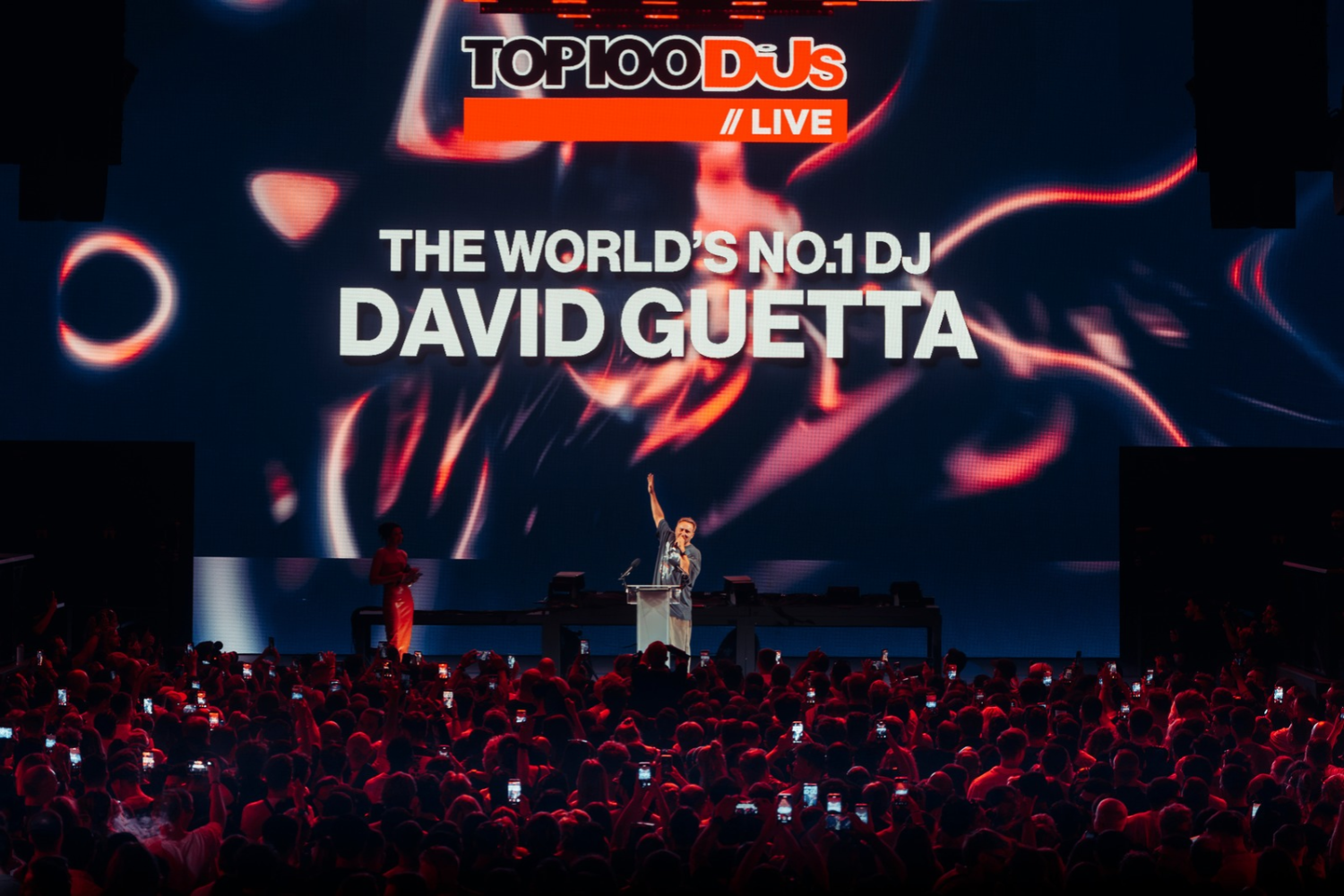
David Guetta is one of the most visible examples of a major dance artist testing AI vocals before the current debate reached this level. In 2023, he posted a clip explaining that he used AI to write lyrics in the style of Eminem, then used another AI tool to recreate an Eminem-style voice and played the result during a live set. He made clear that he would not release it commercially, but the example still became important because it placed AI voice likeness inside a real DJ performance, not just a private studio test. For the wider AI music debate, David Guetta’s case shows why AI vocals raise different questions from normal production tools: the voice can point directly to an artist’s identity, even when that artist did not record, approve, or perform the material.

Alan Walker

Alan Walker has spoken about AI as something artists can use carefully, without letting it replace the human role in the creative process. Speaking to AsiaOne, he said AI should be used “as a tool and not a weapon,” and gave the example of using it when he gets stuck while making music. His comments place him between the two louder sides of the AI music debate: he is not rejecting AI outright, but he is also not presenting it as a full substitute for songwriting, production, or human decision-making. That position matters because many EDM records already depend on several layers of collaboration, from producers and topliners to vocalists and visual teams, so the line between assistance and replacement becomes harder to ignore as AI tools become more accessible.

Zedd

Zedd has spoken about AI from a more open creative perspective, especially around how technology can help artists when they are stuck. Speaking to People, he said AI can be inspiring in the studio and discussed his Intel collaboration connected to Telos, which used AI as part of a fan-facing experience built around the album’s visual world. His stance adds another layer to the AI music debate because it shows how AI is being used beyond songwriting and vocals, including album campaigns, interactive visuals, and branded music experiences. That makes the question of creative credit more complex, since AI can now be involved in the music, the artwork around it, and the way fans engage with a release.

deadmau5

deadmau5 adds another perspective to the AI music debate because his concern is tied less to production tools and more to artist impersonation. He criticized an AI-generated deepfake that used his likeness to promote another artist’s music, which brings the issue into the area of consent, identity, and false endorsement. That matters because AI in music is not only about whether a producer uses a tool to write lyrics, separate stems, or test vocals. It also creates a risk where an artist’s face, voice, or public image can be used in promotional content they did not approve. Within the EDM scene, where artist branding, visuals, and online clips are central to how tracks and shows reach audiences, deadmau5 makes the debate harder to limit to studio workflow alone.

AI Use in Music Now Raises Questions Around Vocals, Artwork, Artist Identity, and Creative Credit

The artist responses show why AI use in music is no longer limited to one production habit. David Guetta’s AI-generated Eminem-style vocal raised questions around voice likeness and whether a live test changes the consent issue, even when the track is not released commercially. Black Tiger Sex Machine’s criticism of AI artwork points to a different part of the same problem, where visual artists, designers, and creative teams can be replaced by cheaper generated assets. deadmau5’s deepfake issue pushes the concern further because it involves an artist’s face and public image being used to promote music without approval. These are not the same cases, but they all connect to the same industry pressure point: AI is making it easier to use creative identity, style, and output without the usual human permission chain.

That is why the AI music debate is becoming more complicated than a simple argument over whether producers should use new tools. When Steve Aoki or Alan Walker discuss AI as a way to work through ideas, the issue is mainly about assistance, workflow, and how much human input remains in the final work. When AI is used for vocals, artwork, or an artist’s likeness, the concern shifts toward consent, credit, and replacement. For EDM, where tracks often involve producers, topliners, singers, artwork designers, visual teams, and social content built around the artist’s image, those differences matter. The debate is no longer only about whether AI can help make music faster. It is about which parts of the creative process can be assisted by AI, which parts need clear disclosure, and which uses cross into replacing or misrepresenting human creative work.

The Future of AI in EDM Will Depend on Transparency and Creative Boundaries

As AI tools become easier to access, the next phase of the AI music debate will likely be decided by the details that artists choose to disclose. Using AI to test a lyric idea, separate stems, or mock up a visual direction is not the same as releasing an AI-generated vocal, using an artist’s likeness, or replacing commissioned artwork with generated images. That difference matters because dance music has always relied on a network of collaborators behind the producer name, from singers and topliners to designers, visual teams, editors, and campaign creatives. The more AI enters those parts of the process, the more pressure there will be for artists and labels to explain what was assisted, what was generated, and who still receives credit for the final release.

For EDM artists, the debate is not likely to end with one clear industry position. Some producers will treat AI as another studio tool, while others will continue to push back when it affects human-made music, visual work, identity, or consent. The more practical future may come down to clearer boundaries: AI use that supports the creative process, AI use that needs disclosure, and AI use that crosses into replacing or misrepresenting real people. That is why the conversation around John Summit, Diplo, Steve Aoki, Black Tiger Sex Machine, David Guetta, Alan Walker, Zedd, and deadmau5 matters beyond social media reactions. It shows that the AI music debate in dance music is already moving from opinion into standards that artists, labels, and listeners will increasingly expect to see addressed.

Subscribe to our Newsletter

Continue Reading

Trending