
Armin van Buuren News
Dance Valley 30th Anniversary: From 8,000 Visitors to Europe’s Largest One-Day Dance Festival


Dance Valley 30th Anniversary: From 8,000 Visitors to Europe’s Largest One-Day Dance Festival
Dance Valley celebrates three decades of electronic music history as the Netherlands’ most iconic dance festival returns to Spaarnwoude for its milestone 30th anniversary on August 9, 2025.
As one of Europe’s longest-running electronic music festivals, Dance Valley has shaped the landscape of dance music for the last three decades. From its humble beginnings in 1995 to becoming the Netherlands’ largest one-day dance festival, this Spaarnwoude institution continues to set the standard for outdoor electronic music events.

The Birth of a Legend: Dance Valley 1995-1999
Dance Valley’s story began in 1995 with a revolutionary concept: bringing electronic music outdoors into nature. What started as a modest gathering of around 8,000 visitors in the hills of Spaarnwoude quickly evolved into something extraordinary.
“Dance Valley felt like something new. Something you just had to be a part of,” recalls a 1997 festival-goer, capturing the pioneering spirit that defined these early years.
The festival’s rapid growth was remarkable – expanding from a single stage to seven stages within just four years. Early headliners including DJ Dano, Carl Cox, and Da Goose helped establish Dance Valley’s reputation as a must-attend event for lovers of electronic music.

Peak Years: Dance Valley 2000-2003
The early 2000s marked Dance Valley’s ascension to legendary status. The festival’s peak year came in 2001, when over 100,000 visitors descended upon Spaarnwoude, making it the largest one-day dance festival in Europe.
Despite challenging weather conditions in 2001, the festival’s spirit remained unbroken. “There were so many people… it felt like all of the Netherlands came to dance,” remembered one attendee from that historic year.
This period featured performances by electronic music royalty including Tiësto, Carl Cox, Armin van Buuren, and Mauro Picotto. Carl Cox himself noted, “Dance Valley set the standard for what a one-day festival could be.”

Musical Evolution: Dance Valley 2004-2019
From 2004 onwards, Dance Valley broadened its musical horizons while maintaining its core identity. The festival became a showcase for electronic music’s diversity, featuring everything from techno to hardstyle, trance to minimal.
Notable performers during this era included Marco V, Ferry Corsten, Richie Hawtin, and Sasha & Digweed. Ferry Corsten praised the festival’s curation: “Dance Valley brought everything together. You’d walk from one sound to another without it ever clashing.”
The iconic hill at Spaarnwoude remained the coveted spot for headlining acts, while new generations discovered the festival that had become a cornerstone of Dutch festival culture. Artists like Nervo, Chuckie, Lucas & Steve, and Benny Rodrigues graced the stages during this period.
Nicky Romero, reflecting on his early career, shared: “My first major festival was Dance Valley. You never forget that.”

Resilience Through Challenges: 2020-2024
The global COVID-19 pandemic forced Dance Valley’s cancellation in 2020-2021, but the community’s passion never wavered. “Even when there was no music, you could feel that Dance Valley was alive,” expressed one devoted fan.
The festival’s return in 2022 marked a renewed focus on quality, atmosphere, and the original spirit that made Dance Valley special. The post-pandemic years featured a perfect blend of rising talents and seasoned veterans.

Dance Valley 30th Anniversary: The Ultimate Anniversary Celebration
Over 70 Artists Across Nine Stages
Dance Valley’s 30th anniversary promises to be its biggest edition yet. Over seventy artists will perform across nine stages on Saturday, August 9, 2025, at the festival’s spiritual home in Spaarnwoude.
Headliner Highlights
The Dance Valley 30th anniversary includes:
- Boris Brejcha brings his unique “high-tech minimal” sound
- Martin Garrix makes history as the first-ever mainstage closer
- Tiësto returns to where he helped build his legendary status
- Ferry Corsten celebrates 25 years of Gouryella with a special anniversary set

Stage-by-Stage Breakdown
The main stage features Boris Brejcha, Martin Garrix, Tiësto, Ferry Corsten’s 25 Years Gouryella celebration, and Nervo. Martin Garrix’s historic mainstage closing set marks a defining moment in Dance Valley history.
Trance lovers can immerse themselves in sets by Giuseppe Ottaviani, Ferry Corsten, and Markus Schulz, with veteran duo Charly Lownoise & Mental Theo providing a unique closing performance at the Transmission stage.
Rebl City & The Raw Style Stages are the place to be for the hardstyle community. Lovers of the harder styles get double the excitement with Rebl City featuring Act of Rage, Darkraver, Partyraiser, Radical Redemption, and Wildstylez. While the Raw Hardstyle stage delivers harder sounds from Malice, Noisecontrollers, Riot Shift, and Sickmode.
The Voltage stage promises good vibes with DJ Jah, Chuckie, and DJ Moortje, while the Lucas & Steve stage showcases Gregor Salto, Housequake, Julian Jordan, and Quintino.

The Crown Jewel: Dance Valley 30 Years Stage
Perhaps the most anticipated attraction is the special “Dance Valley 30 Years Stage,” featuring legendary artists who helped build the festival’s reputation:
- Ronald Molendijk
- Dimitri
- Billy Nasty
- Tom Harding (returning from DJ retirement after more than 7 years)
- Yoji Biomehanika
- Marco V
- DJ JP
The return of MC Marxman as the festival’s voice adds another layer of nostalgia for long-time fans.
Tom Harding, reflecting on the festival’s enduring appeal, noted: “From muddy shoes to mainstage madness. Dance Valley has always been different—and it still is.”

Why Dance Valley Remains Essential
After three decades, Dance Valley continues to stand out. Its enduring appeal stems from a unique combination of historic significance as one of Europe’s pioneering outdoor electronic music festivals, musical diversity that spans all electronic genres under one roof, and its iconic location in the natural amphitheater of Spaarnwoude.
The festival’s ability to maintain a genuine community atmosphere that brings together different subcultures, while seamlessly blending legacy acts alongside emerging talent, creates intergenerational connections that few other events can match. This distinctive formula has kept Dance Valley not just relevant, but essential to the global electronic music scene.

The Future of a Festival Legend
As Dance Valley enters its fourth decade, the Dance Valley 30th anniversary edition serves as both a celebration and a statement of intent. The festival that began as “something new” in 1995 continues to evolve while honoring its roots.
With over 100 acts having graced its stages and countless careers launched within its grounds, Dance Valley’s influence on electronic music culture extends far beyond the Netherlands. The Dance Valley 30th anniversary edition promises to honor this legacy while writing new chapters in dance music history.
Dance Valley 30th anniversary takes place Saturday, August 9 at Spaarnwoude.
Tickets and additional information are available at dancevalley.com.
Subscribe to our Newsletter






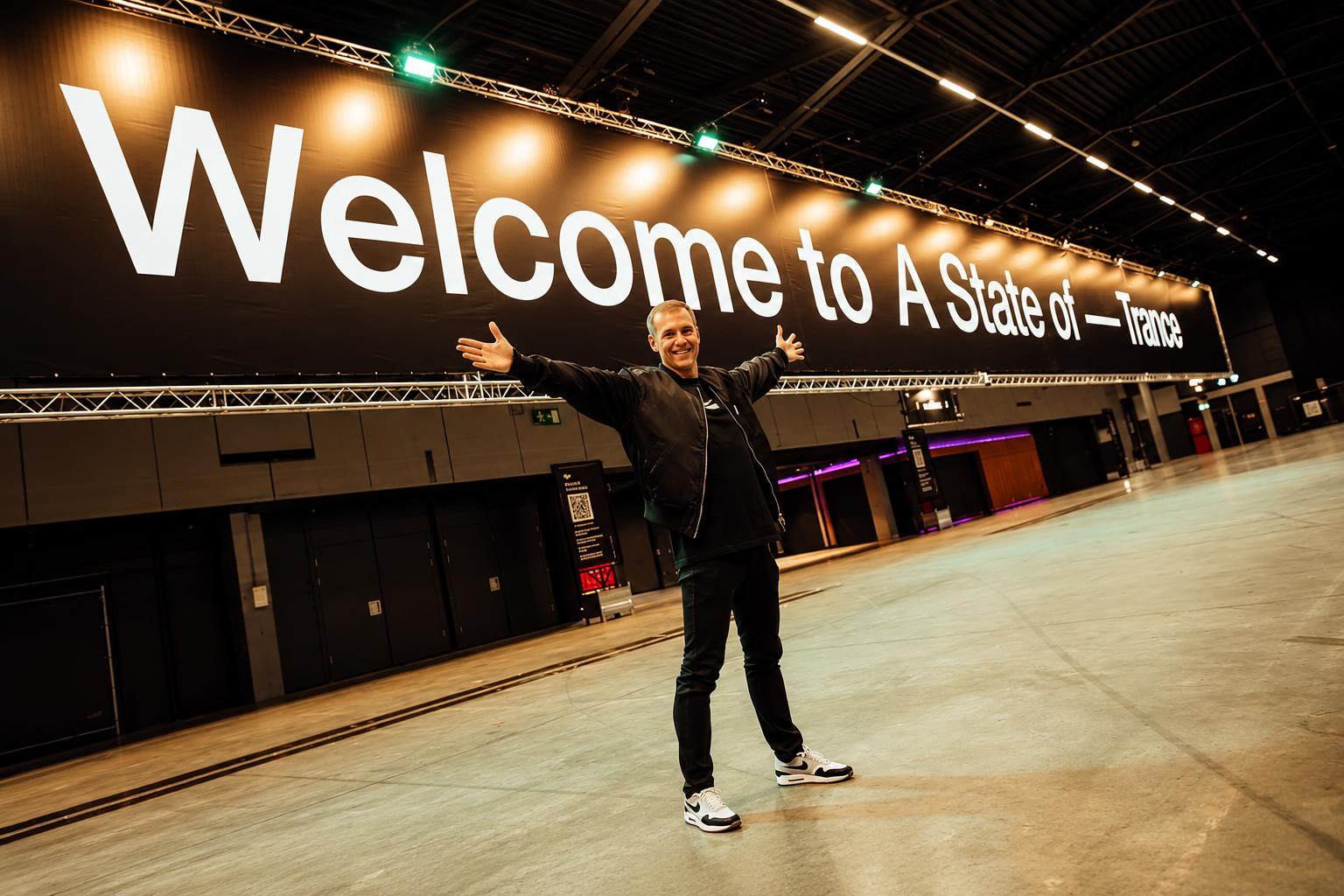
Armin van Buuren announces two-day ASOT LA festival for June 2027, marking the first two-day A State of Trance event in the U.S.
For more than 25 years, A State of Trance has grown from Armin van Buuren’s weekly radio show into a global trance platform. Its events now span Europe, Asia and the Americas. Armin van Buuren has now announced its next major chapter in Los Angeles. The city will host the first two-day A State of Trance festival in the United States on June 11 and 12, 2027. The event will bring ASOT back to California on a larger scale, with further festival details still to come.
A State Of Trance Expands In Los Angeles
Armin van Buuren shared the news on October 8 during ASOT LA Unfiltered, an intimate pop-up in Downtown Los Angeles. Organisers invited a small group of attendees to the previously unannounced event. There, Armin van Buuren played a two-hour set before revealing plans for the 2027 festival at ACE*MISSION Studios.
While A State of Trance has held events in California before, including editions in Oakland and Los Angeles, 2027 will mark a first. It will become the first two-day ASOT festival in the United States. The format follows the larger editions already established elsewhere and gives the U.S. event two full festival dates.
A State Of Trance Hotel Joins The Weekend
Alongside the shows at ACE*MISSION Studios, the Los Angeles weekend will also include an A State of Trance Hotel. Previous editions have offered activities around the main festival. These have included pool parties, pre-parties, dedicated hotel events and early access for guests.
A State of Trance has not yet confirmed the exact package or activities planned for Los Angeles. Registration for A State of Trance 2027 tickets and hotel packages is already open. Lineup and further ticket information will follow.
A State Of Trance Celebrates 25 Years
The Los Angeles festival forms part of A State of Trance’s 25th anniversary, adding another major edition to the celebrations. Armin van Buuren launched the weekly radio show in 2001. Over the following two decades, it expanded into compilations, international events and large-scale festivals while remaining closely tied to trance music.
In May 2026, Armin van Buuren released A State of Trance 2026, the 23rd annual installment in the compilation series. The album features three mixes titled Pulse, Frequency and Energy. Artists across the project include Argy, Andrew Bayer, Joris Voorn, Amy Wiles, Farius, KI/KI and Lilly Palmer. ‘Always You’ by Armin van Buuren, Richard Durand and Dicosis also became the official anthem for the 25-year celebrations.
The anniversary celebrations have also extended to Ibiza. A State of Trance began a five-date residency at [UNVRS] in September 2026, running every Monday from September 7 to October 5. Armin van Buuren plays a five-hour extended set on each date alongside invited artists and collaborators. The accompanying A State of Trance, Ibiza 2026 compilation features Andrew Bayer, Giuseppe Ottaviani, Matt Fax, Solarstone, MaRLo, BLR and Richard Durand.
View this post on Instagram
ASOT Continues Into 2027
Before attention turns to Los Angeles, A State of Trance will return to Rotterdam on February 26 and 27, 2027. The event continues the two-day format already established in the Netherlands. Registration for the next Rotterdam edition is already underway as the anniversary celebrations continue into another year.
Four months later, Los Angeles will become the next major stop on the ASOT calendar. Several important details, including the lineup and individual day schedules, have yet to be announced. More information about the A State of Trance Hotel will also follow. Those reveals will complete the picture before the first two-day U.S. ASOT festival begins at ACE*MISSION Studios on June 11 and 12, 2027.
Subscribe to our Newsletter
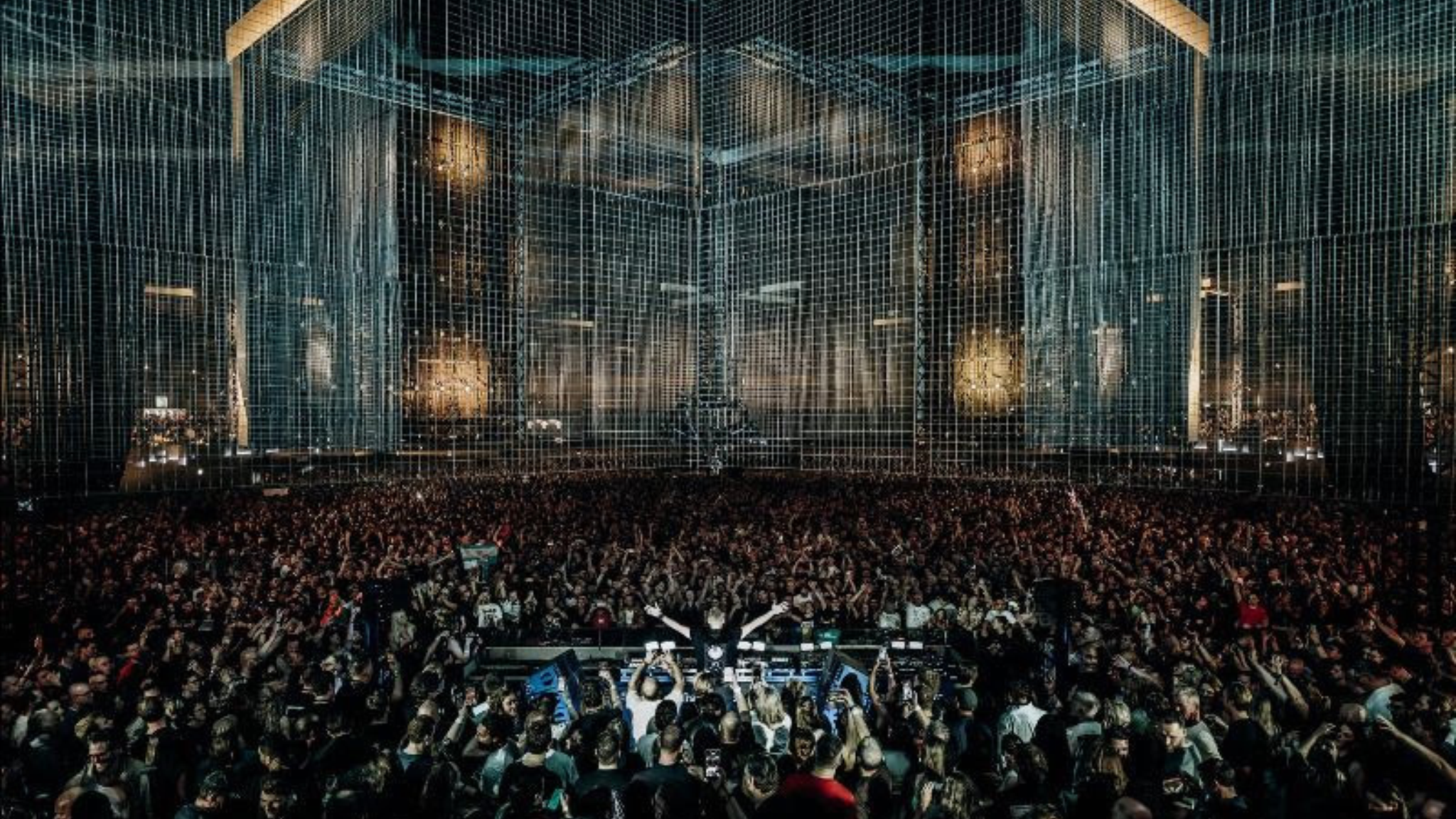
A State of Trance reveals first artists for Rotterdam 2027 with Armin van Buuren five-hour set, exclusive vinyl show and new b2b performances
Subscribe to our Newsletter
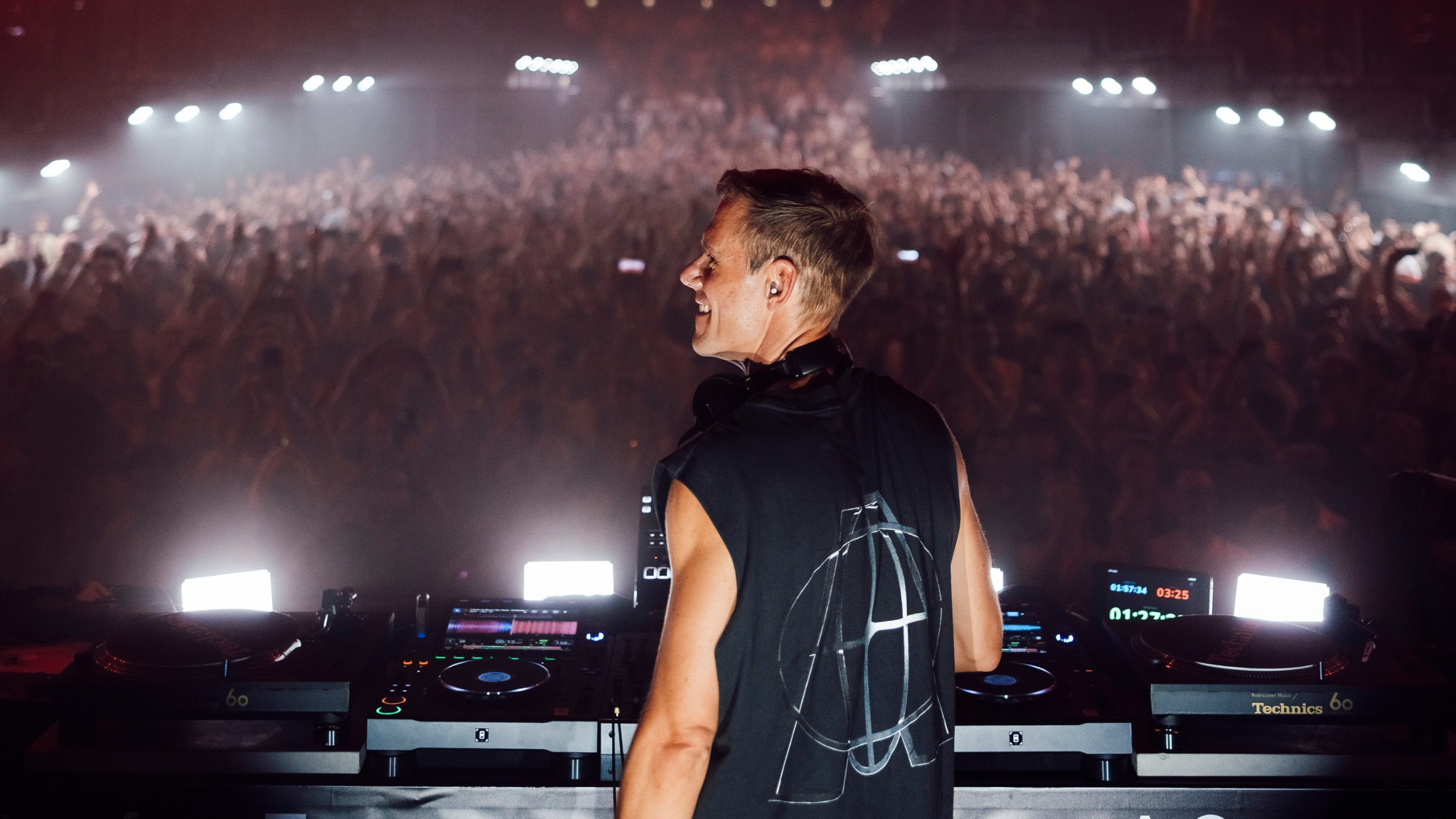
Armin van Buuren releases new [UNVRS] documentary exploring dancefloor psychology, human connection and the impact of his five-hour A State of Trance sets
Subscribe to our Newsletter
-
 EDM Music3 days ago
New EDM Friday Oct 9: David Guetta, Armin van Buuren & More
-
 Amsterdam Dance Event News5 days ago
ADE Announces Full 30th Anniversary Program
-
 EDM Music3 weeks ago
New EDM Friday Sep 18: HALŌ, HUGEL, Sara Landry & More
-
 EDM Festival News4 weeks ago
Lost Lands Announces Full Set Times and Streaming Details
-
 EDM Festival News4 weeks ago
Tomorrowland Winter 2027 Dates and Ticket Sales Announced
-
 EDM Music2 weeks ago
New EDM Friday Sep 25: Charlotte de Witte, Armin van Buuren & More
-
 EDM Music1 week ago
New EDM Friday Oct 2: Martin Garrix, Dom Dolla & More
-
 Amsterdam Music Festival News3 weeks ago
EDM Festivals October 2026: Festivals We Can’t Miss
