
Interview
Interview: DJ Morgan on HardNRG.com, Lotek Records & US Hard Dance History


DJ Morgan, producer and founder of HardNRG.com – one of the first major online platforms to promote hard house across the United States, showcasing exclusive sets from leading artists around the globe. His own productions and DJ mixes blew up his international profile, seeing him tour extensively and earn a reputation as a highly influential figure in the early US hard dance movement. We had the pleasure of catching up with DJ Morgan.
How did you first get into electronic music, and what drew you to harder styles like Hard House, Hard Techno, Hard Trance, and HardNRG?
I first got into the scene through underground warehouse parties in San Francisco in the early ‘90s. At the time, I was listening to Industrial & Hardcore (Ministry, Skinny Puppy, Front 242, Black Flag, Godflesh, etc) and loved the electronic influences. When I went to my first rave, it all came together: a scene developing before my eyes, opening me up to entirely new ways of thinking about music. My favorite sets often included the harder-edged sounds of oldskool hardcore, which went on to influence UK Hard House & Nu-NRG.
What was the underground dance scene like in the US during the 1990s?
A great reference for what the scene was like at that time is the documentary “Between the Beats” (IMDB). It was a very dynamic time where anything goes; it was all about exploration, experimentation, and optimism about what was possible. It was liberating because everyone was welcome, in came the positive vibes and out went the punk rock and industrial angst.
How did the US scene compare to Europe at that time?
Early on, it was quite small and renegade in our local scene. It had yet to transition into the huge outdoor festivals or well-established clubs in Europe. That did happen, but it took a little longer, which was fine by me, as those early underground warehouse-style parties were always my favorite. A focus on the music and people, away from the stage and performances.
How difficult was it to break into the harder-edged sounds in the US?
Towards the end of the 90s, we started to see the large-scale productions emerge, primarily for house and trance. If you went into your average record store, you might find only twenty or so records out of a thousand dedicated to the harder-edged styles. Fortunately, the internet was booming, and options existed like Juno Records & Banging Tunes to ship vinyl internationally. This was before the transition to CDJs in the early 2000s. Once you had access to the music, it was about diving back into the underground scene, and small renegade parties where people and promoters were up for trying something a bit harder.
You founded HardNRG.com in 1999 – what was the goal behind it, and what impact did it have on the scene?
The goal was simple: get mixes of harder-edged genres to people for free and help spread the music. This was before SoundCloud (2007) or Spotify (2008), and most people had to go to their local underground record store and buy a mixtape or CD. HardNRG.com provided a resource for people interested in finding out about the music behind the noise. I like to think it helped, in some small way, grow the audience and spread the music across America, opening up the way for more widespread adoption.
Did HardNRG.com receive support from European artists, and which artists did it showcase during those early years?
Yes! I was amazed at the positive response it got. Both from the artists themselves and the labels they were on, many people saw the value in seeking exposure for the music and, at the time, committed to free distribution of mix sets. We received sets from Andy Farly, Anne Savage, BK, Captain Tinrib, Dynamic Intervention, Ed Real, Karim, Lisa Lashes, Lisa Pin-Up, Nick Sentience, and Superfast Oz, to name but a few.
Beyond the website, did you have a role in promoting the music live or through events?
We started a club night and threw several underground parties, while helping others in the local scene put on events and connect with artists. We had a crew of DJs playing the music at the time, many of whom went on to play events across North America and internationally. I personally had a great run of it, playing regularly across the US and Canada while travelling as far out as the UK, Finland, Japan, and Australia.
What were your pinnacle moments in the scene back then?
For me personally, it was getting recognition from many of the artists and DJs I looked up to and admired. For a time, San Francisco was a hotspot for this style of music, and events featured artists such as Captain Tinrib, Dynamic Intervention, Chris C, Madam Zu, Superfast Oz, Paul Glazby, and Nick Sentience. Getting to spend time with each of these legendary producers and DJs was the highlight for me.
How did Lotek Records come about, and what was its role in the North American hard dance scene?
Through those connections, I decided to team up with Kemical Kidd, a long-time friend and co-founder of HardNRG.com, to run a record label. We worked with UK-based Alpha Magic to manufacture and distribute our releases both in Europe and America. At that time, we were the first American label focused on releasing this style of music.
Which artists and DJs were featured on Lotek Records?
We had releases by Dynamic Intervention, Chris C, Madam Zu, Rubec, Pranksterz, and Defective Audio. I also put out a couple of my own releases on the label, along with a co-collaboration with Kid Bippy.
Tell us about Nexus 6: which artists collaborated with you on your original productions?
This was the last mix I did before switching from DJing to a full-time career in video game development. Nexus 6 focused on Hard Trance (as opposed to Hard House or HardNRG, which were my usual genres) and allowed me to continue to evolve my sound. Original tracks included “Severe Trauma” and “X” produced with Mik Cree of Dynamic Intervention for DIP Records, as well as “No Law” and “Unknown Technique” produced with Dom Sweeten of OD404/Defective Audio for Kaktai Records.
You moved into a career in video games—what studios or projects did you work on?
Yes, that’s right. My other passion had been gaming, even before I got into music, and I always planned to focus my professional career in the tech industry. When I first started DJing, I was in college studying computer science and information systems. I went on to work at Intel for a few years, but decided to get a Master’s in business and try my hand in the video game industry.
I worked at Activision, Sega, Electronic Arts, and Blizzard. Some of my favorite franchises I worked on included Command & Conquer (EA) and Warcraft (Blizzard).
Did your experience in video games influence your approach to music production or DJing?
Absolutely! My first job was at Activision, where I signed on as an assistant producer responsible for audio and music. This meant working with the designers to develop the sound effects, the engineers to integrate them, and the audio director to schedule and budget all of the music. My background in DJing allowed me to speak their language immediately and hit the ground running.
The first project I was lead producer on at Sega was a music rhythm game called “Samba de Amigo,” where I was responsible for track selection and licensing deals. Lucky for me, I had experience running the record label to handle it all!
What is your philosophy when creating mix sets across Techno, Hard Techno, Hard Trance, and Psy-Trance?
My philosophy has always been to play what I like, rather than chasing what is popular. When getting back into DJing, my goal was to create a set in each of these genres using the latest tracks. This began by listening to hundreds of releases from the last few years to understand the trends and collecting tracks that felt unique, interesting, and full of energy. This way, I’m mixing music I love and am excited to share with everyone.
How do you approach programming and sequencing tracks to create energy and flow on the dancefloor?
A lot of practice. Trying out different mixes, learning how the tracks interact with one another, and imagining the effect it would have on the dancefloor. Plenty of exploration and experimentation, allowing the music to guide you and inspire you. I keep notes of which tracks work well together and smoothly transition from one to the next. You then have a handful of options available for each set, and can adapt based on what resonates with the audience.
Why did you choose to base yourself in Thailand, specifically Phuket?
My wife and I always wanted to live abroad; our passion is traveling. After leaving gaming, we have been “slow” travelling the world non-stop for over three years. Some highlights include Japan, Malaysia, Thailand, Singapore, Italy, Greece, and Malta.
Thailand, in particular, has really resonated with us, everything from the culture, the people, the food, the weather, and the focus on health and happiness. We did not expect it to be at the top of the list when we started, but throughout these past few years, we have kept coming back and enjoying it more each time. Phuket, in particular, offers a mix of everything we’re looking for: beach lifestyle, focus on fitness, thriving nightlife, and music scene.
Any gigs lined up already?
I’ll be playing a gig in Bangkok in November for @HardHouseFamily, a collective of producers and artists from around the world who have a long history in the hard house community. It will be a fantastic opportunity to see whether the music I play and my mixing approach appeal to the audience. After Bangkok, we’re heading to Pattaya and then Phuket.
Subscribe to our Newsletter

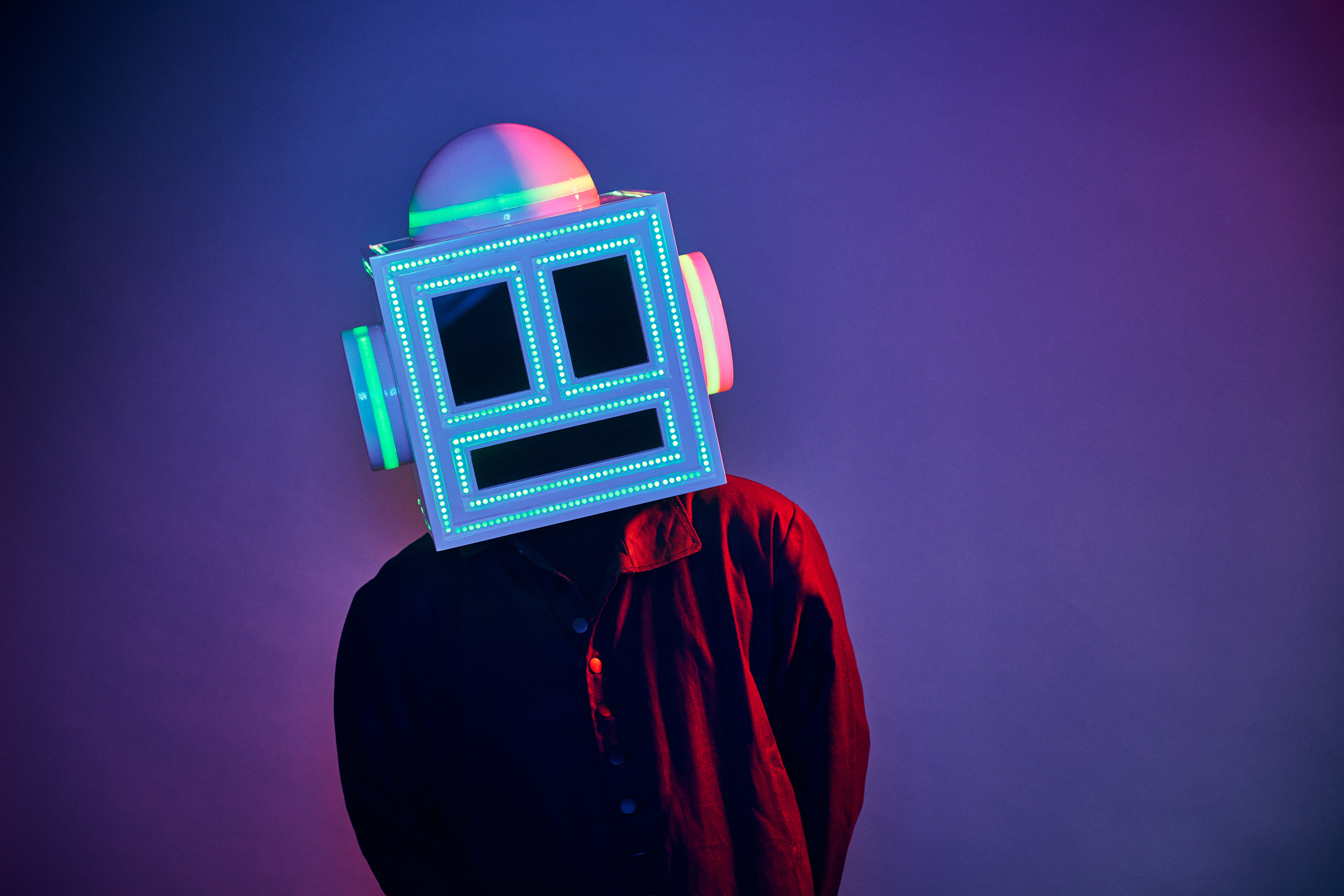
MEETCH interview about his new single ‘Reflections’ with Lacey, his Ørjan Nilsen collaborations and what’s next for the robot-headed producer
Subscribe to our Newsletter

Promo Push head of promotions Russell Biles explains how the UK company promotes dance music releases across DJ, radio, press and Spotify campaigns
Promoting releases from the likes of MK, Chris Lake, Claptone, Above & Beyond, Tiësto, Diplo, Flashmob, DJ Hype, Axwell, Jamie Jones & Vintage Culture – Promo Push was founded in 2011 & is one of the industry leaders in dance music promotion, based in the UK.
Speaking to Russell Biles, head of promotions at Promo Push - we asked some questions about the company & how they promote a release in today’s dance market.
Since the launch of Promo Push in 2011, how have the range of services you offer evolved?
We launched with a firm focus on DJ & Club promotion, delivering genre specific & bespoke campaigns – across the electronic music landscape. The next natural progression, was us moving into dance radio promotion & we’ve built an extensive network with international heads of music, playlist managers & mix show hosts. Online Press campaigns then followed & we work with a range of music journalists & editors at dance music publications – closely aligning online coverage & building further awareness around a release. In 2019, we also moved into Spotify promotion – with us pitching to a range of leading 3rd-party playlist curators.
Musically, what dance music genres does your DJ promotion cover?
Whether it’s a House, Tech House, Deep House or Nu-Disco leaning track, a melodic Techno or Trance record – or Mainstage release, we deliver tastemaker DJ & 1001 Tracklists mix show promotion. With a deep understanding of the industry, each of our DJ / Club campaigns are tailored & finely tuned. Working with both major & independent labels, along with management agencies & directly with artists – from underground clubs to festival main-stages, we get our client’s release to the right DJs at the right time.
Across your radio promotion, what territories do you focus on?
Our radio promotion is international & reaches in to each key global territory. We target dance music stations & specialist DJ shows worldwide, including across BBC Radio 1, SiriusXM, Radio 538, Kiss FM, One World Radio, Ibiza Bpm Radio, SLAM FM! & stations throughout Europe, USA, Australia & beyond. In addition to FM stations, we also push to an array of specialist digital & online dance stations and use the monitoring tool WARM (World Airplay Radio Monitor) for tracking plays & radio support.
Do your campaigns follow a specific timeline?
Each Promo Push campaign runs over four weeks & we report to clients weekly, with feedback & scores from DJs / Radio and who’s listened, reviewed and intends to support. Our Press & Spotify campaigns also run over a four timeframe, with weekly reporting too & detailing each Press feature / Spotify placement we’ve secured – with direct links to each. We provide a full & comprehensive summary with the final reporting, ideal for our client’s Press pack and their future release planning.
In terms of your Press service, can you tell us more about how this works?
We offer standalone Press campaigns, or including DJ & Radio promotion – as part of our Prime Tier. From leading online dance publications, to influential niche blogs — our Press network covers a wide spectrum of sites that dance music fans read. Press release curation is included in our service & our weekly reporting is in PDF, providing coverage links – readership estimates & a full overview of online release traction.
With Promo Push delivering over 4,000 campaigns to date & working with the likes of Anjunabeats, Axtone, SIZE, Ministry of Sound, Positiva, Spinnin’ Records & Defected Records – they continue to promote releases from some of dance music’s most established labels & artists, along with the best up & coming talent.
Connect:
www.promopush.com
[email protected]
+44 (0) 20 3633 1721
Subscribe to our Newsletter
Interview
A.N.I. Interview: Classical Roots, Keytar Moments, and Why She Refuses to Stay in One Lane
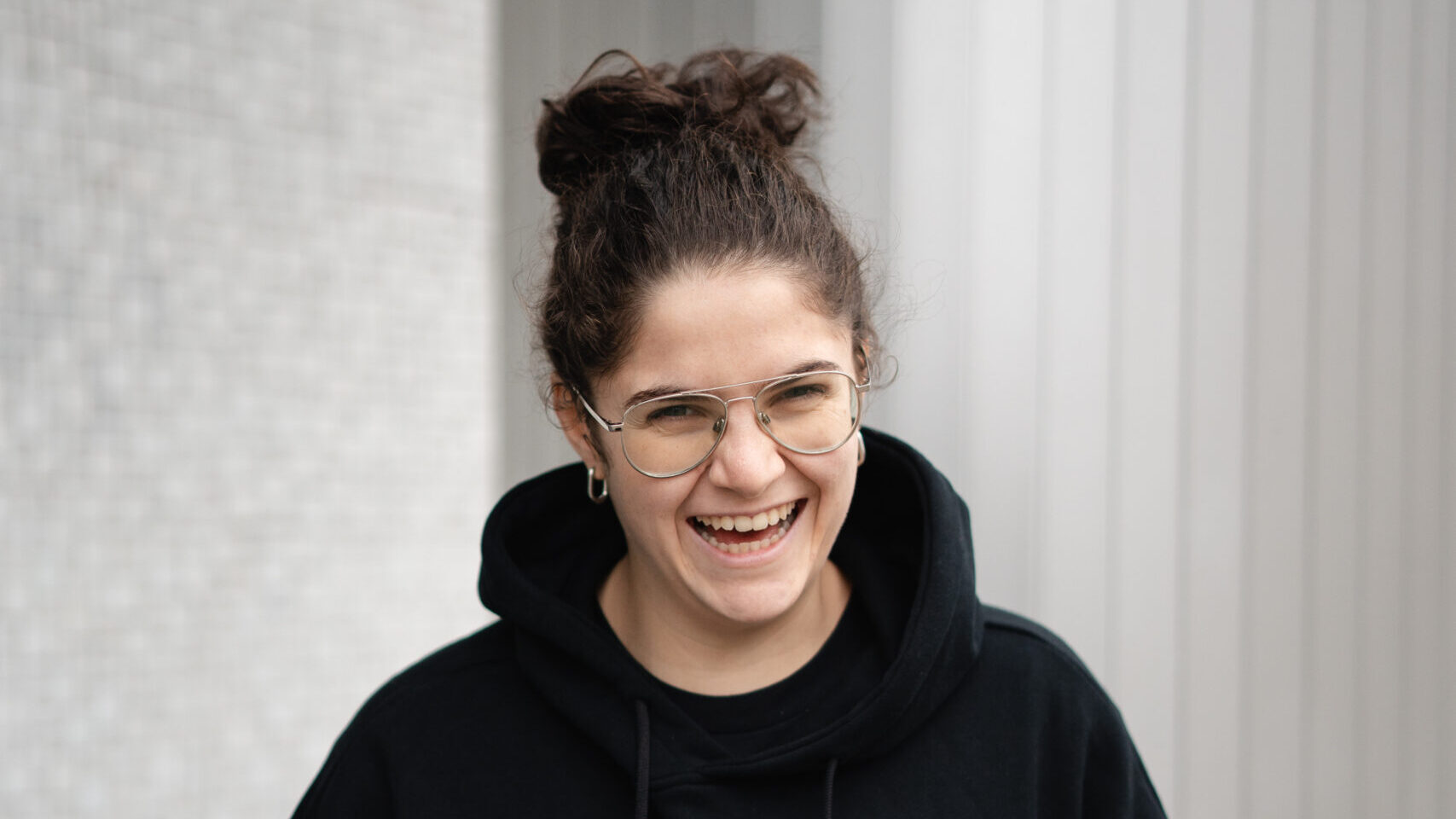
After a summer through Hive Festival, Tomorrowland and Verknipt Croatia, A.N.I. sits down to talk classical roots and the hard techno craft.
Subscribe to our Newsletter
-
 EDM Music3 days ago
New EDM Friday Oct 9: David Guetta, Armin van Buuren & More
-
 Amsterdam Dance Event News5 days ago
ADE Announces Full 30th Anniversary Program
-
 EDM Music3 weeks ago
New EDM Friday Sep 18: HALŌ, HUGEL, Sara Landry & More
-
 EDM Festival News4 weeks ago
Lost Lands Announces Full Set Times and Streaming Details
-
 EDM Festival News4 weeks ago
Tomorrowland Winter 2027 Dates and Ticket Sales Announced
-
 EDM Music2 weeks ago
New EDM Friday Sep 25: Charlotte de Witte, Armin van Buuren & More
-
 EDM Music1 week ago
New EDM Friday Oct 2: Martin Garrix, Dom Dolla & More
-
 EDM Festival News4 weeks ago
Djakarta Warehouse Project Unveil First Lineup Phase For DWP 2026
