
Interview
Ken Bauer Speaks About His Latest Release, How He Writes His Tracks, The Best Advice He Has Received & More!

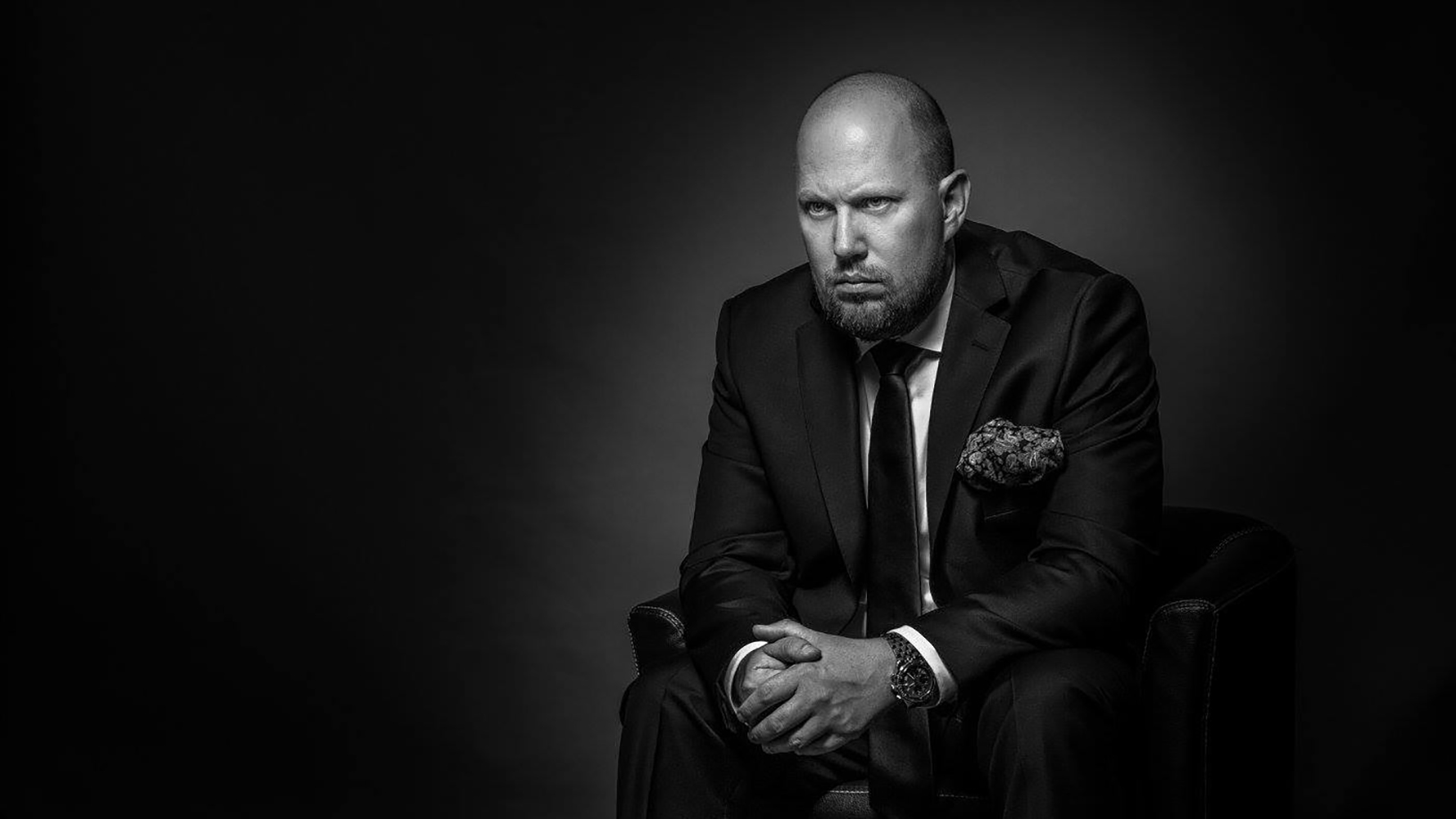
Consolidating his place as an artist to be followed up close and one of the freshest up-and-coming artists hailing from Sweden, Ken Bauer keeps releasing heavy-hitting tracks that exude quality and his own characteristic sound. This time, Ken Bauer answers some questions around his latest release ‘Iron’, a future rave-inspired track, with house elements that brings a punch of energy to the
worldwide dancefloor. This is what Ken Bauer had to say about ‘Iron’ and what’s to come for him this year.
Hi Ken, great to hear from you. How are you?
I am doing great. I just finished my first episode of my new radio show.
Does ‘Iron’ have a story behind it?
The theme is about pushing yourself to do the things that you are worried or afraid to do, but that would make you grow as a person if you did it.
Can we hear any of your musical influences in the track?
Well, they are all over the place and I did co-write the vocals. So, there is a lot of Ken Bauer DNA in the track.
How does ‘Iron’ differ to some of your other pieces?
This track started out with super talented producer Ozen reaching out to me asking if I would like to collaborate on the track. I just loved the powerful anthem that was already in there. The track was an instrumental and I recorded vocals and added some Future Rave elements to it, and it all turned out to be a highly supported Club & Radio Anthem.
How long did ‘Iron’ take to make?
From first contact to the process of recording and adding vocals I would say about 3-4 months.
What do you feel is the most important element in releasing a track?
First of all, the track needs to be good. Second, I always ask myself, would I play this track myself in a club or on my radio show? Then it is all about sending the track to all your fellow DJ & Producers as well as Tastemakers to give the track a good start.
Do you have a typical process when writing a song?
First, I randomly select a key of the track. Then I start with adding a kick in the key and then, I add background ambience. When I have a nice soundscape going, I start with getting the rhythm and a simple melody in place so that I can program a nice synth sound. Then I complete the basic arrangement. After finishing the arrangement, I start tweaking the melody until it feels just right.
Who would you love to collaborate with in 2022?
I would love to collaborate with one of the upcoming Future Rave producers such as Yantosh, Jones Vendera, Nanoviola & ALEX LNDN to name a few.
Whose creative opinion do you trust the most when it comes to your music?
I have three people I always listen to. Frankie boy (Zen World), Olly James & Sonny Bass. The problem all the time though is that they always give me three different suggestions, so I always need to trust myself in the end anyway. But I really value their opinions and ideas.
How do you balance producing with your other responsibilities?
Oh, this is a tough one. Right now, I am spending way less time than I would like to producing music. My radio show, label and other companies take a lot of time and work as well. I really wish I become better at prioritizing time in the studio.
What are your opinions on sampling?
Go for it as long as you don’t break any laws.
What is the best piece of advice anyone has given to you?
Focus on the positive things you have accomplished instead of feeling bad for all the things you haven’t accomplished (yet).
Can you let us in on what else you’ve got planned for this year?
I am launching my new radio show “Ken Bauer’s Power Hour” and I am expanding my label “Future Rave Music” allowing for more releases from upcoming as well as established Future Rave artists.
Listen to ‘Iron’ below or on your preferred platform here.
Follow Ken Bauer:
Facebook / Instagram / Twitter
Subscribe to our Newsletter


MEETCH interview about his new single ‘Reflections’ with Lacey, his Ørjan Nilsen collaborations and what’s next for the robot-headed producer
Subscribe to our Newsletter
Promo Push head of promotions Russell Biles explains how the UK company promotes dance music releases across DJ, radio, press and Spotify campaigns
Promoting releases from the likes of MK, Chris Lake, Claptone, Above & Beyond, Tiësto, Diplo, Flashmob, DJ Hype, Axwell, Jamie Jones & Vintage Culture – Promo Push was founded in 2011 & is one of the industry leaders in dance music promotion, based in the UK.
Speaking to Russell Biles, head of promotions at Promo Push - we asked some questions about the company & how they promote a release in today’s dance market.
Since the launch of Promo Push in 2011, how have the range of services you offer evolved?
We launched with a firm focus on DJ & Club promotion, delivering genre specific & bespoke campaigns – across the electronic music landscape. The next natural progression, was us moving into dance radio promotion & we’ve built an extensive network with international heads of music, playlist managers & mix show hosts. Online Press campaigns then followed & we work with a range of music journalists & editors at dance music publications – closely aligning online coverage & building further awareness around a release. In 2019, we also moved into Spotify promotion – with us pitching to a range of leading 3rd-party playlist curators.
Musically, what dance music genres does your DJ promotion cover?
Whether it’s a House, Tech House, Deep House or Nu-Disco leaning track, a melodic Techno or Trance record – or Mainstage release, we deliver tastemaker DJ & 1001 Tracklists mix show promotion. With a deep understanding of the industry, each of our DJ / Club campaigns are tailored & finely tuned. Working with both major & independent labels, along with management agencies & directly with artists – from underground clubs to festival main-stages, we get our client’s release to the right DJs at the right time.
Across your radio promotion, what territories do you focus on?
Our radio promotion is international & reaches in to each key global territory. We target dance music stations & specialist DJ shows worldwide, including across BBC Radio 1, SiriusXM, Radio 538, Kiss FM, One World Radio, Ibiza Bpm Radio, SLAM FM! & stations throughout Europe, USA, Australia & beyond. In addition to FM stations, we also push to an array of specialist digital & online dance stations and use the monitoring tool WARM (World Airplay Radio Monitor) for tracking plays & radio support.
Do your campaigns follow a specific timeline?
Each Promo Push campaign runs over four weeks & we report to clients weekly, with feedback & scores from DJs / Radio and who’s listened, reviewed and intends to support. Our Press & Spotify campaigns also run over a four timeframe, with weekly reporting too & detailing each Press feature / Spotify placement we’ve secured – with direct links to each. We provide a full & comprehensive summary with the final reporting, ideal for our client’s Press pack and their future release planning.
In terms of your Press service, can you tell us more about how this works?
We offer standalone Press campaigns, or including DJ & Radio promotion – as part of our Prime Tier. From leading online dance publications, to influential niche blogs — our Press network covers a wide spectrum of sites that dance music fans read. Press release curation is included in our service & our weekly reporting is in PDF, providing coverage links – readership estimates & a full overview of online release traction.
With Promo Push delivering over 4,000 campaigns to date & working with the likes of Anjunabeats, Axtone, SIZE, Ministry of Sound, Positiva, Spinnin’ Records & Defected Records – they continue to promote releases from some of dance music’s most established labels & artists, along with the best up & coming talent.
Connect:
www.promopush.com
[email protected]
+44 (0) 20 3633 1721
Subscribe to our Newsletter
Interview
A.N.I. Interview: Classical Roots, Keytar Moments, and Why She Refuses to Stay in One Lane
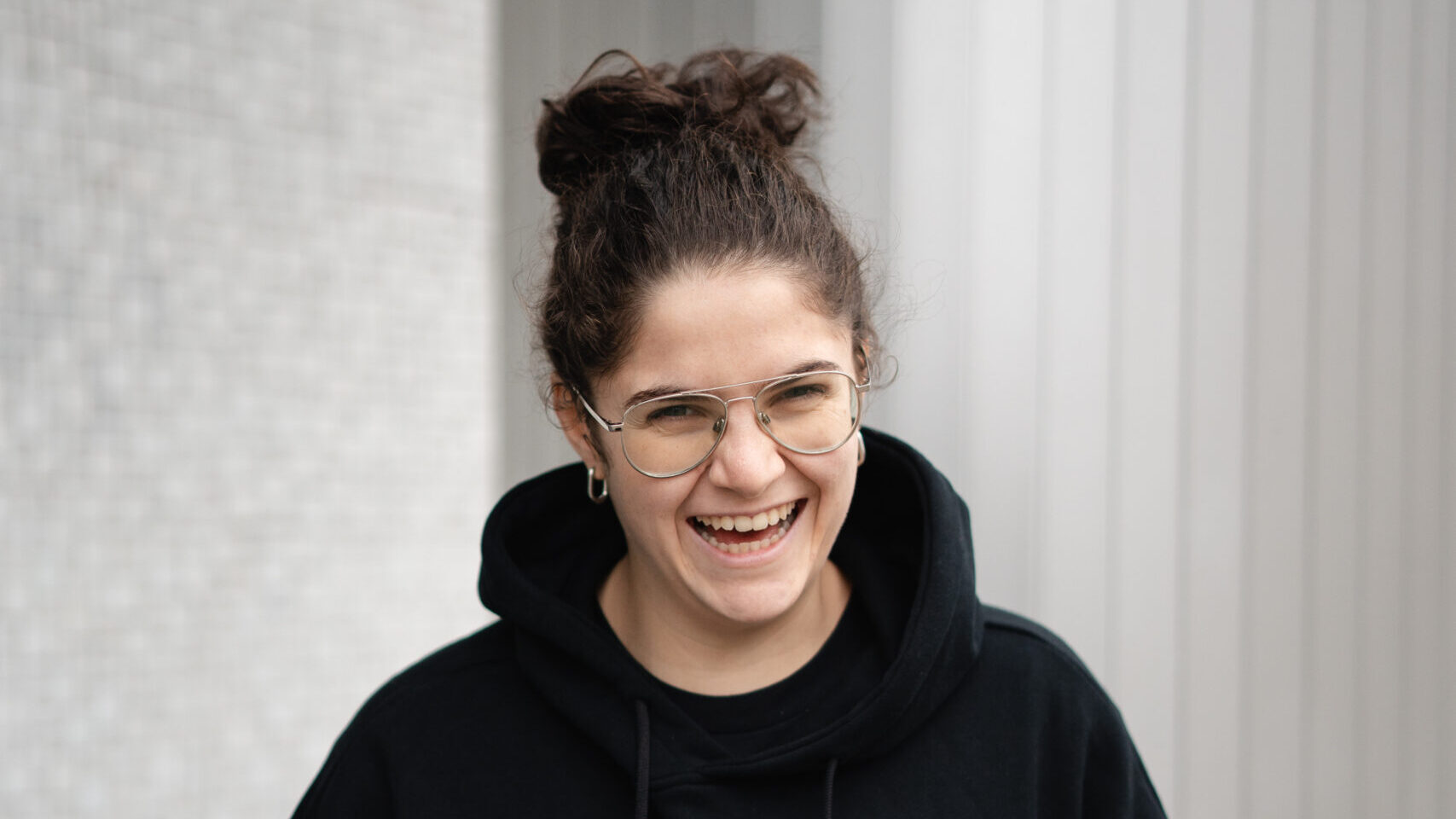
After a summer through Hive Festival, Tomorrowland and Verknipt Croatia, A.N.I. sits down to talk classical roots and the hard techno craft.
Subscribe to our Newsletter
-
 EDM Music3 days ago
New EDM Friday Oct 9: David Guetta, Armin van Buuren & More
-
 Amsterdam Dance Event News6 days ago
ADE Announces Full 30th Anniversary Program
-
 EDM Music3 weeks ago
New EDM Friday Sep 18: HALŌ, HUGEL, Sara Landry & More
-
 EDM Festival News4 weeks ago
Lost Lands Announces Full Set Times and Streaming Details
-
 EDM Festival News4 weeks ago
Tomorrowland Winter 2027 Dates and Ticket Sales Announced
-
 EDM Music2 weeks ago
New EDM Friday Sep 25: Charlotte de Witte, Armin van Buuren & More
-
 EDM Music1 week ago
New EDM Friday Oct 2: Martin Garrix, Dom Dolla & More
-
 Amsterdam Music Festival News3 weeks ago
EDM Festivals October 2026: Festivals We Can’t Miss
