
Editorial
UNTOLD Dubai Welcomed Over 190,000 Attendees To 2nd Edition


For four unforgettable days and nights, Dubai Parks™ and Resorts became the spectacular home of UNTOLD Dubai.
More than 190,000 festival goers attended UNTOLD Dubai and enjoyed surreal shows and outstanding performances of some of the most relevant artists, huge production, epic stages, a mix of music genres to create unforgettable memories, a true mesmerizing playground of music and entertainment, alongside Dubai Department of Economy and Tourism, the strategic partner of the event.
Due to the impressive number of participants and the great feedback received, the UNTOLD organisers already announced that the third edition of UNTOLD Dubai will take place between 5-8th of November 2026 at Dubai Parks™ & Resorts.
UNTOLD Dubai 2025 kicked off with a great first night of music, energy, magic, and amazing shows by Armin van Buuren who started the party with his greatest hits and a sneak peek at his upcoming album, Sugababes, WizTheMc, Tujamo, Luciano, Hot Since 82, and more. Dubai Parks™ Resorts welcomed fans from over 120 nationalities to experience the second edition of UNTOLD, Dubai’s mega festival.
The second day of UNTOLD Dubai brought performances of Nora Fatehi, YUNGBLUD, Axwell, and Steve Aoki on the mainstage. Right before his performance, YUNGBLUD, who debuted in Middle East at UNTOLD Dubai, found out he has three Grammy nominations for Best Album “IDOLS”, “Zombie” for Best rock song, and “CHANGES at Villa Park” for best rock performance. YUNGBLUD brought a lot of energy, the rockstar attitude, and his greatest hits at Dubai Parks™ & Resorts, and made a heartful tribute to his beloved Ozzy Ozbourne.
Nora Fatehi had the audience blown away, mesmerised by her complex show. Eric Prydz was the highlight of the night at the Zamna stage, alongside Toto Chiavetta, Zamna Soundsystem, Julian Prince, and Joris Voorn.
The third day and night of the festival on Saturday was one for the books with stellar shows signed by Swae Lee, Martin Garrix, Cancelled Music, and KSHMR on the mainstage. Martin Garrix made the audience fall in love again and again with his music, and he even released new songs during his UNTOLD Dubai set. After the show, he joined Gordo at the Zamna stage and took the energy up high.
Swae Lee said it was an epic night for him and the crowd and the festival made him feel special. The show was impressive and the people followed his lead.
Cancelled Music took the party to the next level, released their first track in premiere on the mainstage, and made everyone feel that Dubai Parks™ & Resorts was the IT place for the weekend.
Zamna stage welcomed Andrea Oliva, Charmeine, and Mëstiza, besides Gordo, on the third day and night of the party.
The last day of the festival marked J Balvin’s first performance in Dubai, a show that will be remembered, with some of his major hits that transformed the mainstage into a reggaeton party. J Balvin’s special guest for the night was Daecolm, and they sang together the worldwide viral hit “I Adore You” by Hugel. A special guest in the audience at J Balvin’s show was Jason Derulo who enjoyed the Colombian superstar’s show.
Saweetie, Meduza, Alan Walker, and Nervo closed the mainstage with unforgettable shows, whilst Mrak finished the 4 magical days and nights at Zamna stage.
A mix of musical genres, the world’s biggest names in EDM, techno, pop, hip-hop, and more, with a lineup curated to unite music lovers from every corner of the globe, UNTOLD Dubai also had a huge production, spanning an extraordinary 267,793 square meters, the size of five mega-events combined.
The mainstage had over 120 m and 28 m tall, a colossal arena the size of a football field, breathtaking production, futuristic architecture, and a sound system designed to move the earth itself.
LAPITA™, Dubai Parks™ and Resorts, Autograph Collection and Legoland Hotel were home for some of the artists from UNTOLD Dubai’s line-up, for the UNTOLD teams and for the festival goers, while MOTIONGATE, the largest Hollywood-inspired theme parks in the Middle East, brought the magic of Hollywood to life through four world-famous motion picture studios and Riverland was the perfect spot for gatherings, entertainment, and culinary delights.
Real Madrid World (RMW), the world’s first football theme park, offers over 40 Real Madrid-themed rides and attractions, including the world’s tallest amusement ride, along with dining and merchandise experiences for families, Real Madrid fans, and theme park enthusiasts.
LEGOLAND Water Park, the region’s first water park designed for families with children aged 2 to 12, delivered aquatic fun with a LEGO® twist.
UNTOLD Dubai reinforced the UAE’s status as the leading global destination for innovation, entertainment, and cultural experiences, a place where dreams, music, and technology converge.
UNTOLD Dubai will be back in 2026 between 5-8th of November at Dubai Parks™ and Resorts and super early bird tickets are now available on untold.ae. Be sure you’ll be there, at Dubai’s mega festival in the best city in the world, in the best venue – Dubai Parks™ and Resorts.
View this post on Instagram
Subscribe to our Newsletter



Editorial
Digital Downtime in the EDM Community: Online Gaming as Part of the Electronic Music Lifestyle

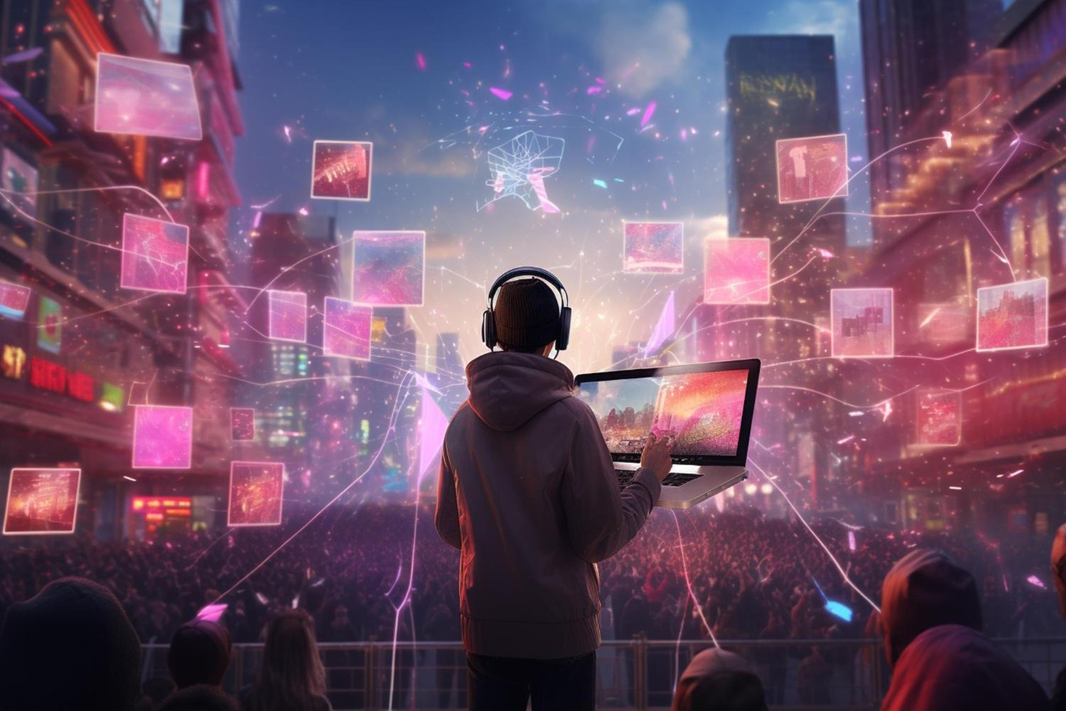
EDM culture and online gaming share more than you might think, from synth-heavy slot soundtracks to the neon visuals of festival production.
Electronic dance music culture has always had a particular relationship with digital technology. The genre was shaped by synthesizers, drum machines and samplers before any of those instruments reached mass consumer affordability. The DAW as primary creative tool, the streaming platform as primary distribution method, the Discord server as primary community hub: the EDM community has been at the frontier of digital adoption consistently. It’s no surprise that when online gaming moved from niche to mainstream, the EDM audience arrived early.
The Festival Calendar and the Gaps Between
Anyone who builds their social life around the electronic music festival calendar knows the specific rhythm it creates. The months before summer, intense with anticipation. The festival season itself, a series of peaks. The post-festival comedown, where ordinary life reasserts itself. And then the long stretch before the cycle begins again.
These gaps, between events and between releases, require filling with something that maintains the level of digital engagement that the festival season provides. Live streams, DJ sets, new music: these are the obvious answers. But passive consumption has its limits, and many in the EDM community seek interactive entertainment that provides something beyond watching.
Online gaming has found a significant audience in music communities for reasons that connect to the same sensibility that draws people to electronic music: the pleasure of a well-designed system producing emergent results, the tension of uncertain outcomes, and the aesthetic satisfaction of a product that has been built with care.
Sound Design Meets Slot Design
The audio dimension of online slot games is one of the most genuinely interesting crossovers between electronic music production aesthetics and digital gaming. The best slot games have soundscapes that are the product of significant production investment: layered synthesis, dynamic reactive audio that responds to game events, and sound design that creates psychological engagement rather than merely filling silence.
Playing online slots at Mr Q exposes you to a range of audio aesthetics from different providers and production eras. Some of the older slot music is dated in ways that will be immediately obvious to anyone with a trained ear for electronic production. The more recent generation of high-budget slot titles has audio that would not be out of place as background in a decent creative environment.
The Visual Language of Electronic Culture
The visual aesthetics of online slot games have also developed in ways that intersect with electronic music culture. The neon synthwave palette, the abstract geometric animations, the retrofuturist visual language that has dominated festival visual production for the past decade: these appear in slot game design with enough frequency to feel like genuine stylistic influence rather than coincidence.
The highest-budget slot titles from major providers treat visual design with seriousness: the animation quality, the particle systems, the typography choices and the interface hierarchy reflect genuine design investment. For someone accustomed to evaluating the visual quality of festival productions or music video aesthetics, the variation in quality between high-budget and low-budget slot titles is immediately perceptible.
Responsible Engagement in a Community That Knows About Excess
The EDM community has a complex and honest relationship with excess. The culture has grappled with drug culture, with physical and mental health challenges associated with festival attendance, and with the glamorisation of behaviours that have genuine harm potential. This same honest grappling is the appropriate framework for online gaming.
The UK Gambling Commission (UKGC) requires all licensed platforms to provide responsible gambling tools including deposit limits, session time controls, and self-exclusion options. The framing that applies as well to online gaming as to any other entertainment with a financial component is the festival framing: know what you’re spending before you start, treat the expenditure as entertainment cost, and maintain awareness of your state while you’re engaged.
Finding the Right Platform
For the EDM community’s digital natives, platform evaluation is second nature. The same criteria that distinguish a well-curated streaming experience from a poor one apply to online gaming: interface quality, content depth, honesty about what the product delivers, and reliability of the technical experience.
The UK’s licensed market provides a solid baseline of consumer protection that international and unlicensed alternatives don’t match. Within the licensed market, the variation in promotional honesty and product quality is real. Platforms with no-wagering promotional structures eliminate the most common source of consumer frustration and align more closely with the expectation of a transparent digital product that a digitally sophisticated consumer reasonably holds.
The convergence of electronic music culture and online gaming reflects the broader digital maturity of the EDM community. As both sectors invest more in product quality and aesthetics, the audience overlap will only deepen.
EDM culture’s foundational orientation toward quality and innovation makes it a natural early adopter of digital entertainment that has been thoughtfully designed. Online slot games at their best share this quality orientation.
Image by evertonpinheiroti on Magnific
Subscribe to our Newsletter

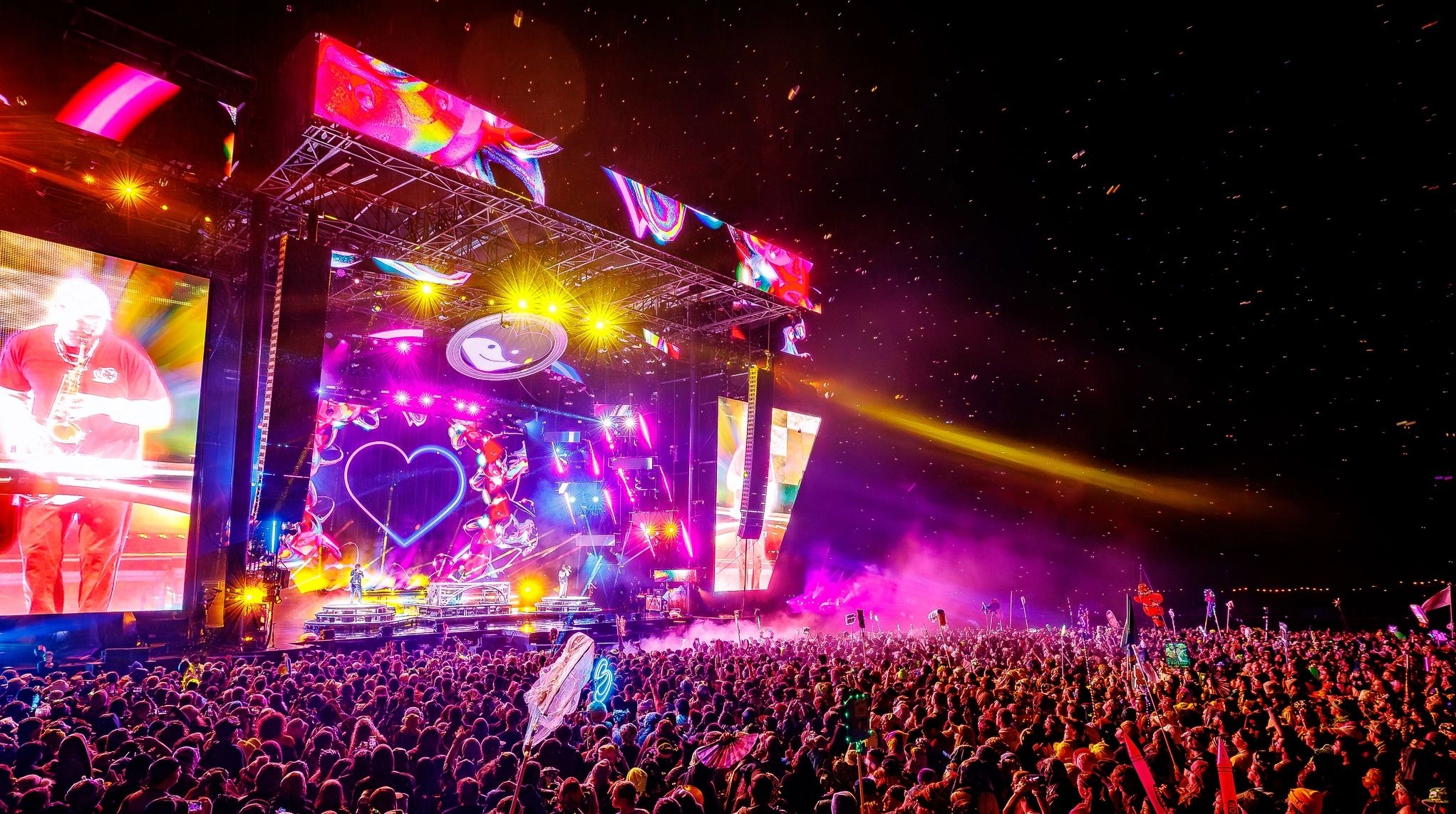
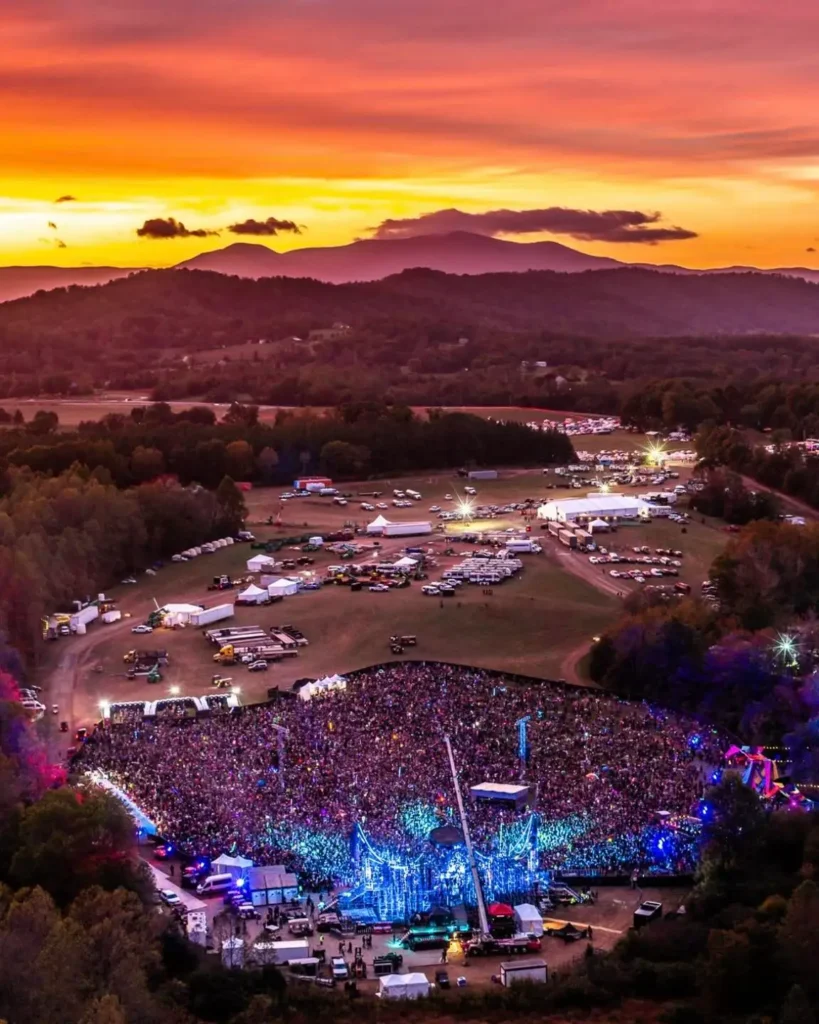
As the second annual Valley of the Seven Stars approaches, bass music fans across the country are prepping their gear and locking in their set times. Taking over the Oak Ridge Estate in Arrington, Virginia from October 8–11, this gathering marks the long-awaited payoff of GRiZ’s two-year hiatus. The event has quickly earned a reputation as one of the bass community’s premier “homie” festivals, trading commercial refinement for deep curation and authentic energy. Whether you are hunting for ground-shaking low end or sunset grooves, here are the 7 most anticipated performances to highlight on your schedule:
7. Richard Finger
Set Time: Saturday, 4:50 PM – 5:50 PM
Operating entirely behind anonymous masks, Richard Finger has become one of bass music’s most intriguing underground phenomena. The mysterious duo popped onto the radar with relentless sound design and uncompromisingly heavy drops, rapidly earning a rotation in festival sets worldwide. While internet investigators continue trying to uncover their true identities, the project lets the sheer sound of low end rhythm do the talking. Catching them in the afternoon heat on Saturday is guaranteed to wake up the crowd.
6. Hedex
Set Time: Sunday, 8:30 PM – 9:30 PM
Hedex has been at the forefront of the modern drum and bass explosion. He has been taking jump-up rhythms out of underground UK clubs and pushing them onto major American festival stages. This performance serves as the official launch for his North American “Nu Era” tour. Known for quick double drops and explosive crowd control, his Sunday slot will deliver a shot of pure adrenaline just as festivalgoers enter the final night.
5. GRiZ (Chasing The Golden Hour)
Set Time: Saturday, 6:05 PM – 7:20 PM
GRiZ has always known how to curate a vibe, but his Chasing The Golden Hour (CTGH) concept holds a legendary place in the scene. It was originally conceived as a mixtape series built around vintage samples, mellow hip-hop beats, and live sax riffs. CTGH offers a soulful counterweight to his heavy dubstep headline sets. Following packed-out demand at past events, this sunset window is made for collective unwinding. It is the defining emotional anchor of the weekend, best experienced surrounded by friends on an open hill.
4. Mersiv
Set Time: Saturday, 8:30 PM – 9:30 PM
DJ & producer Anderson Gallegos, known professionally as Mersiv, has carved out a dedicated subculture with his trademark “Pretty Dark Loud” sound design. Mersiv crafts sets that feel simultaneously meditative and heavy by combining hypnotic downtempo atmospheres with distortion-heavy basslines. Dropping into Saturday prime time, his set will steer the valley into its deepest, most psychedelic sonic territory.
3. Seth David (R&Bass)
Set Time: Friday, 1:00 AM – 2:00 AM (After Hours)
Returning to the Seven Stars lineup for a second run, Seth David brings his signature R&Bass sound to the Satellite Stage. The project fuses classic 90s and 2000s R&B vocals with sub-bass frequencies. This set gives night owls a refreshing alternative to the standard festival sound anding directly in the after-hours slot,
2. Distinct Motive
Set Time: Sunday, 6:50 PM – 7:50 PM
Hailing from Ontario, Distinct Motive has spearheaded the revival of pure 140 BPM sound system culture in North America. His productions emphasize sub-bass, surgical mixing, and deep roots in old-school UK dubstep. Since his anthem “Wait A Minute” dominated stages everywhere, his profile has skyrocketed. Sunday evening marks his debut on the mainstage, bringing chest-rattling low frequencies to the festival’s largest sound system.
1. Kaleena Zanders
Set Time: Thursday, 8:00 PM – 9:00 PM
Revered as one of modern dance music’s most captivating vocal powerhouses, Kaleena Zanders channels gospel roots through classic house grooves. With major collaborative releases alongside fellow headliners, her live sets go far beyond ordinary DJ performances. Slotted into Thursday evening, she will set an uplifting, soulful tone for the entire cosmic campout before the heavier bass takes over.
With four days of music spread across The Valley, pacing is going to be everything. Set conflicts are inevitable when a lineup has this much variety. Be sure to leave room in your schedule to wander between stages and stumble onto artists outside your radar.
Grab the official festival app to stay updated on any last-minute schedule shifts and look out for your crew.
View this post on Instagram
Subscribe to our Newsletter

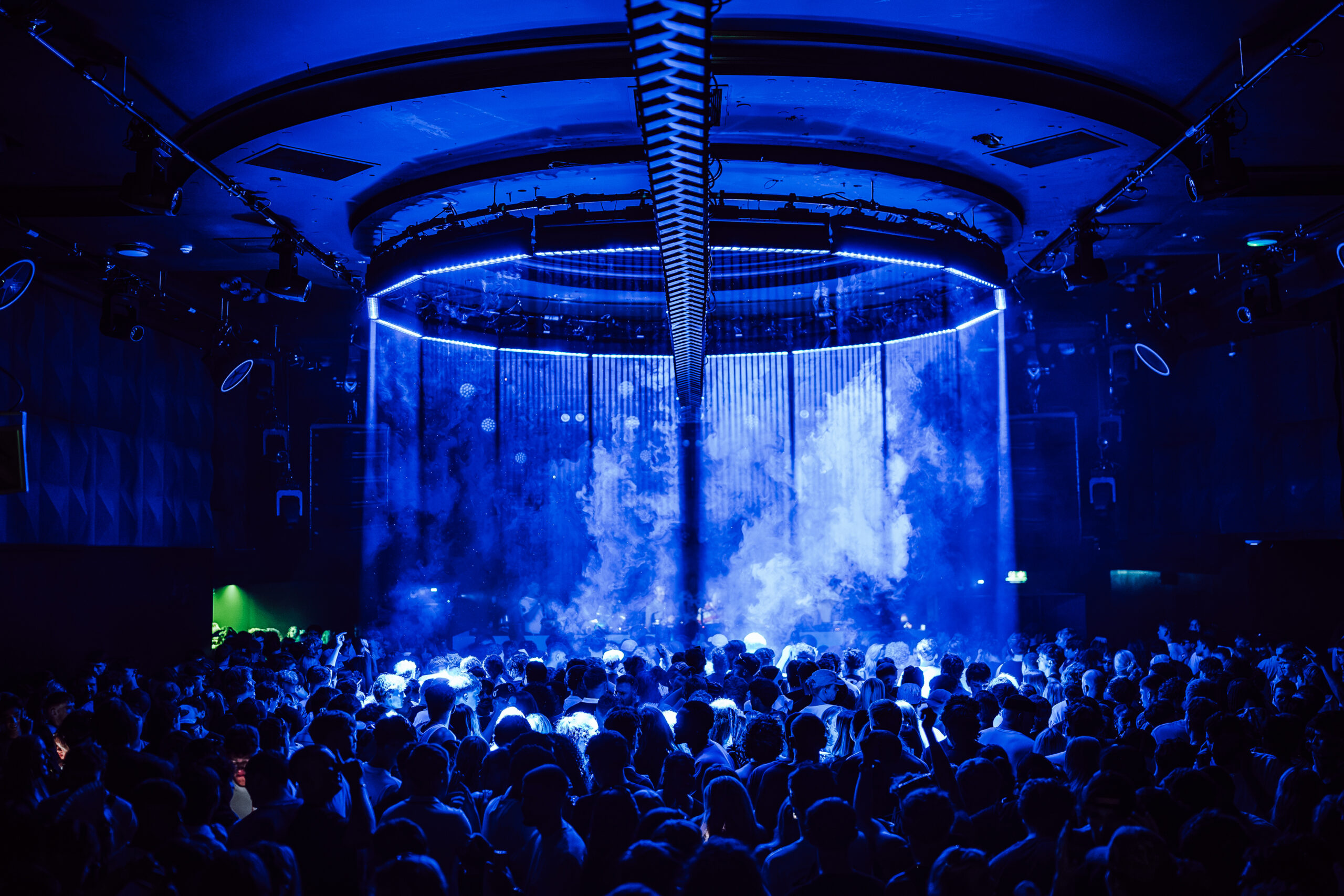
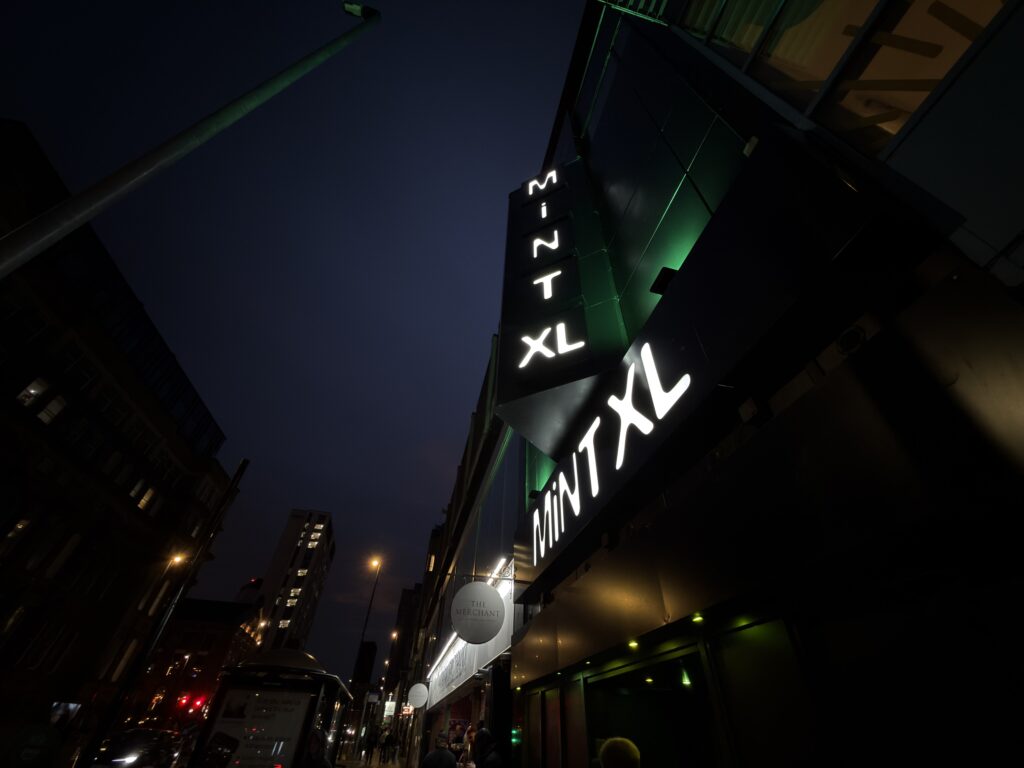
MiNT XL opens its doors in Leeds with a sold-out party for 2,500 ravers, as Craig Richards, Enzo Siragusa and Sonja Moonear launch the new nightclub
MiNT XL officially opened its doors on Friday, 25 September, with a sold-out opening party featuring names like Craig Richards, Enzo Siragusa and Sonja Moonear. 2,500 ravers gathered in the heart of Leeds city centre to experience the latest addition to the city’s rich rave culture, marking a memorable beginning for MiNT XL.
Taking over the former nightclub, PRYZM Leeds, MiNT set themselves the challenge of giving the venue a new identity through their own production and iconic signature. In an interview with EDM House Network earlier this year, MiNT marketing manager, Mikey McMahon said they wanted people to walk into MiNT XL and feel like they were part of something forward-thinking. There is no doubt they have achieved this, with the opening night already setting MiNT XL apart from other venues in Leeds.
Credit: David Dumitru
Exploring The Venue’s Layout
Arriving at the venue, you could feel the excitement in the air as people made their way into the club. Music was bumping through the walls and the night was just getting started. Walking inside, the dark environment immediately made it feel like a rave and not a regular nightclub.
Heading up the stairs from the entrance, we reached the main hall of the venue, which houses two of the three rooms at MiNT XL, as well as an open-air terrace. The ‘Clubroom’ was the first room people encountered on the floor, while the main room, also known as the ‘Ballroom’, sits to the left of the hall.
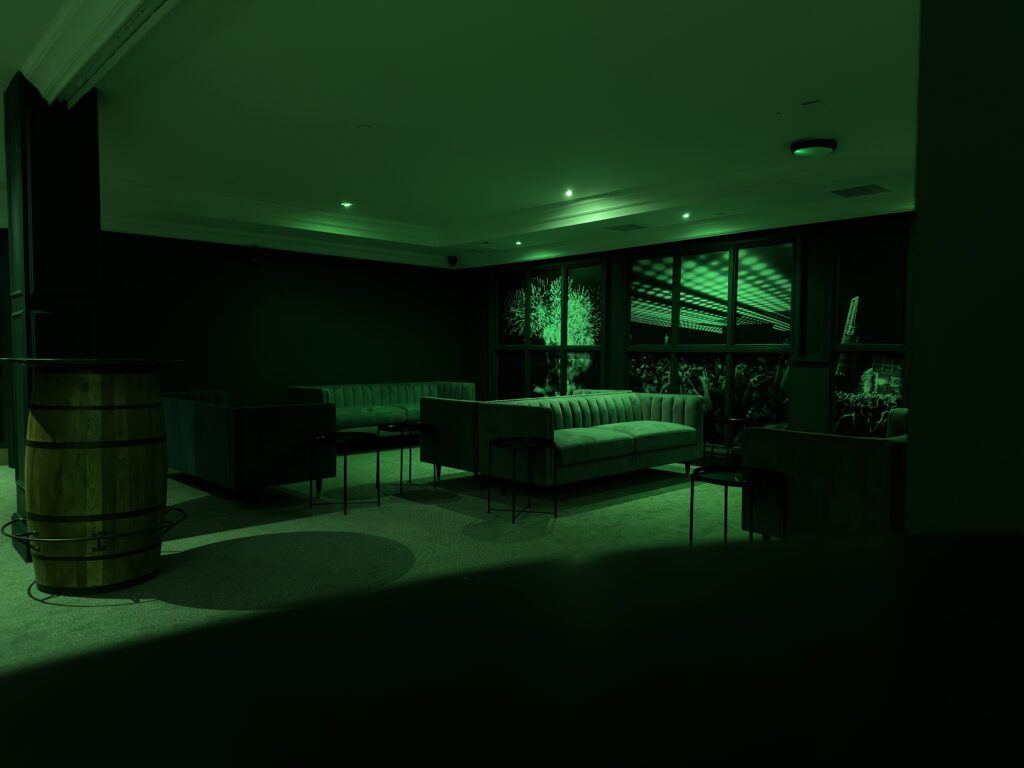
The second floor is a great extension of what the main floor has to offer, hosting the venue’s third room, ‘Cage’, as well as an additional bar with sofas and seating for those wanting a quick break from the dancefloor. The VIP area is also located on this floor, providing a comfortable chill-out space with its own bar and seating area.
Credit: David Dumitru
The Rooms at MiNT XL
1. Ballroom
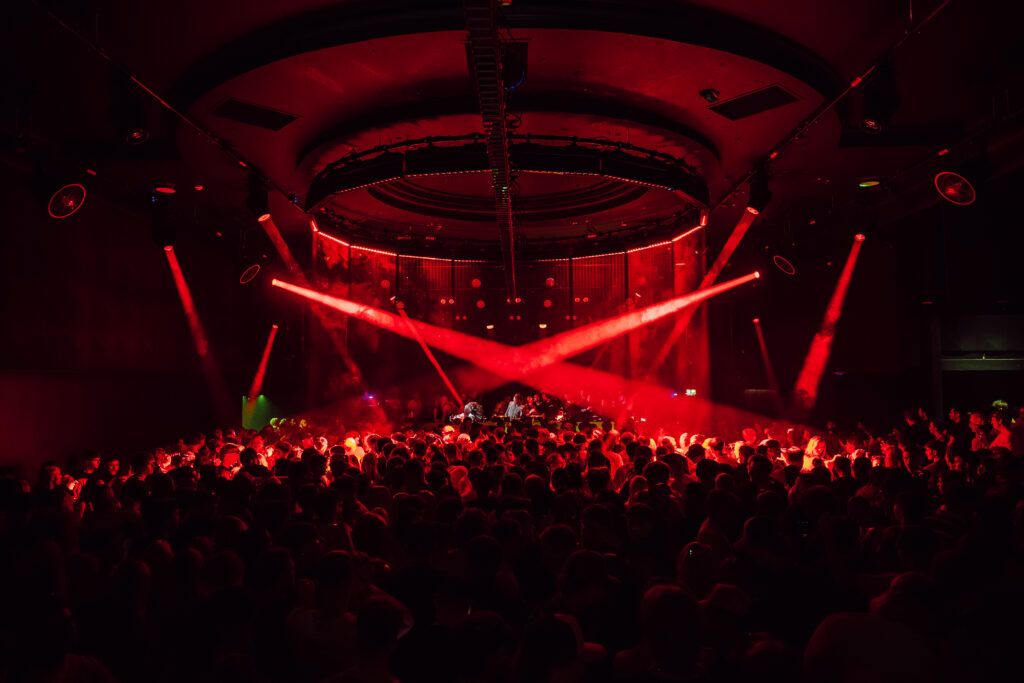
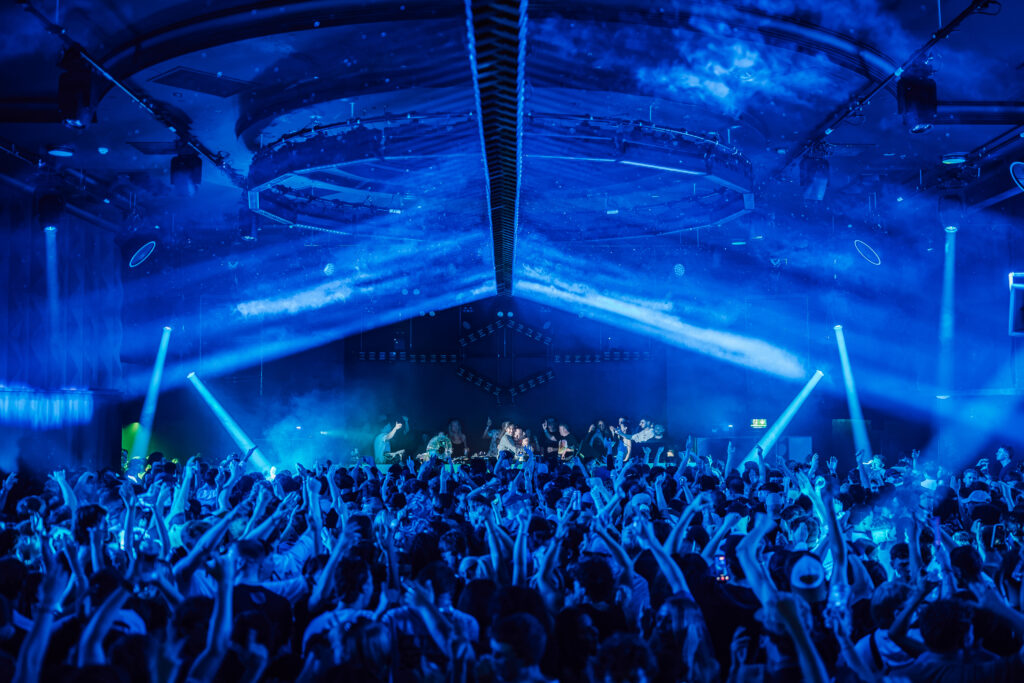
The largest of the three rooms, the ‘Ballroom’ is a warehouse type of space hosting the headlining names on MiNT XL’s line-ups. Some of the lighting features that stood out as soon as we walked into the room included the large ring structure above the dancefloor, as well as the linear rigs placed horizontally across the ceiling, which rotate to create a wave-like effect through light.
Another standout piece of the room is the newly installed Funktion-One Vero sound system, delivering bass that pumps through your body and an overall premium sound quality. The same system can also be found in the other two rooms, where its impact is even greater due to their smaller capacities.
Credit: @elliotyoungphoto
2. Cage
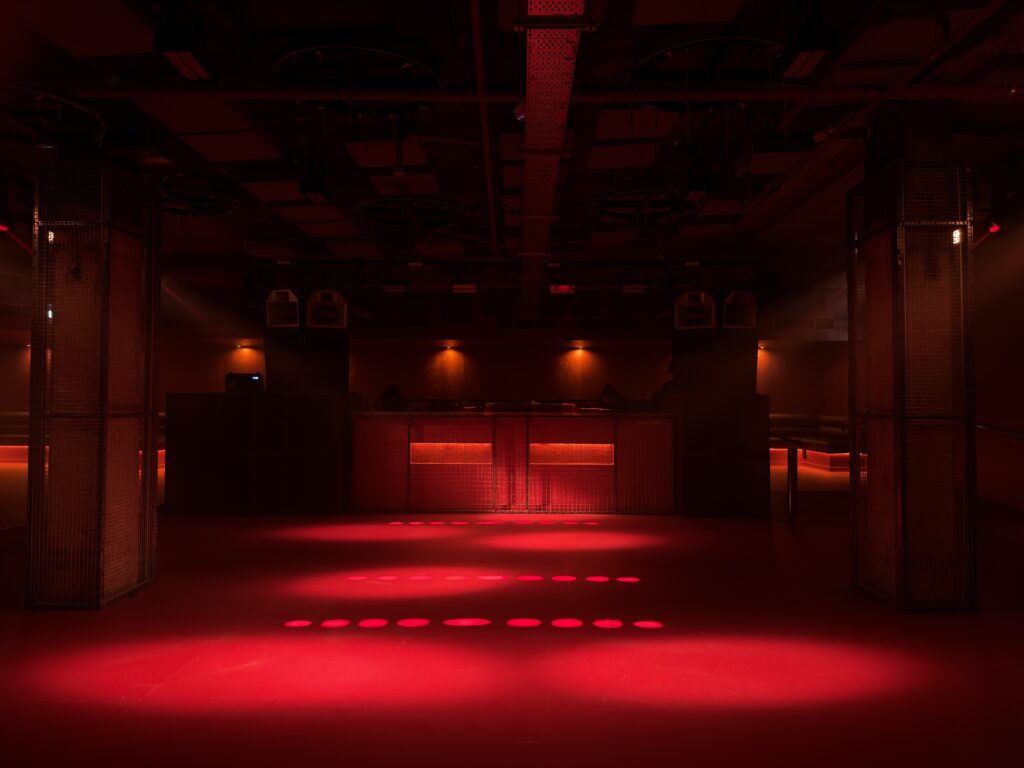
Probably the most interesting room of the three, and our personal favourite, ‘Cage’ delivers an experience like no other. Its design feels unique and fresh out of the box, while still maintaining a lush feel. Throughout the opening night, the room was lit up with orange lighting, creating a somewhat comfortable atmosphere amid all the chaos going on.
Credit: David Dumitru
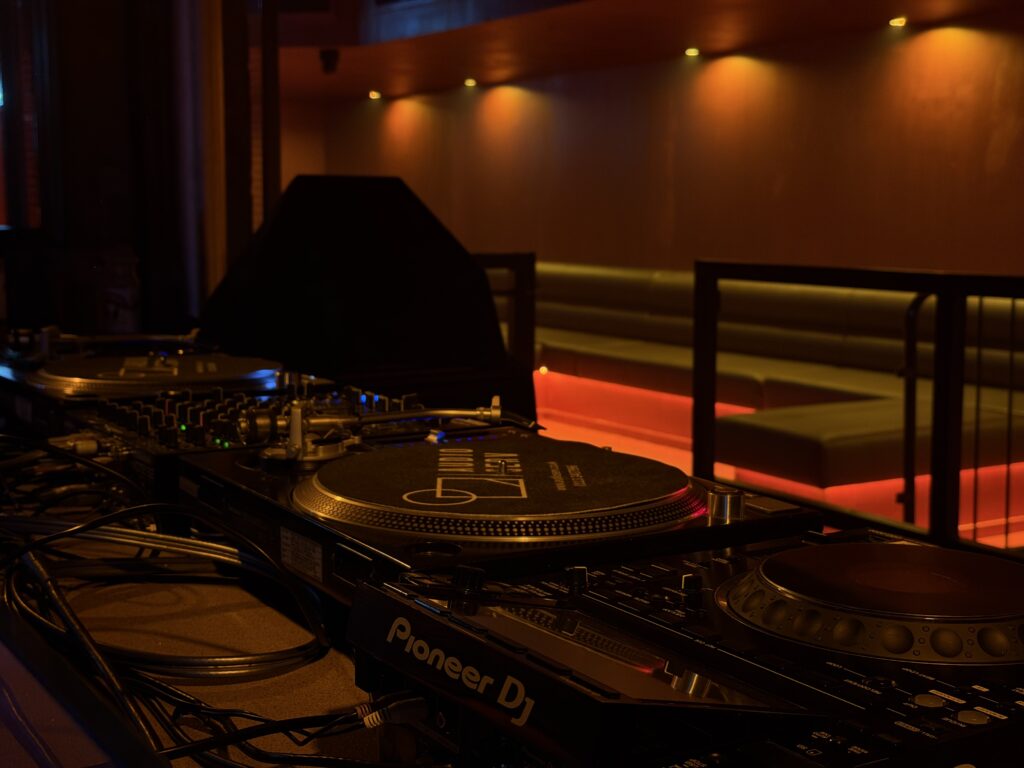
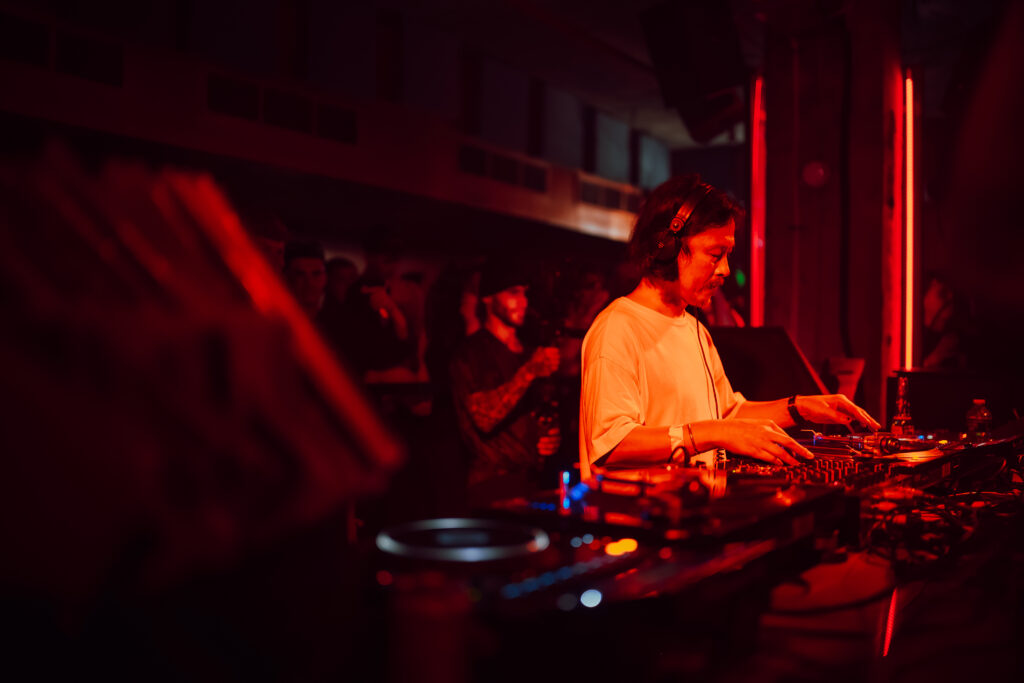
‘Cage’ also has a few sofas placed around the room, helping complete its luxurious feel. The cherry on top, however, is the fact that the space will often welcome DJs playing on vinyl. We had the chance to witness this live, and let me tell you, seeing the artists flip and swap records behind the decks totally elevates the experience.
Credit: David Dumitru
3. Clubroom
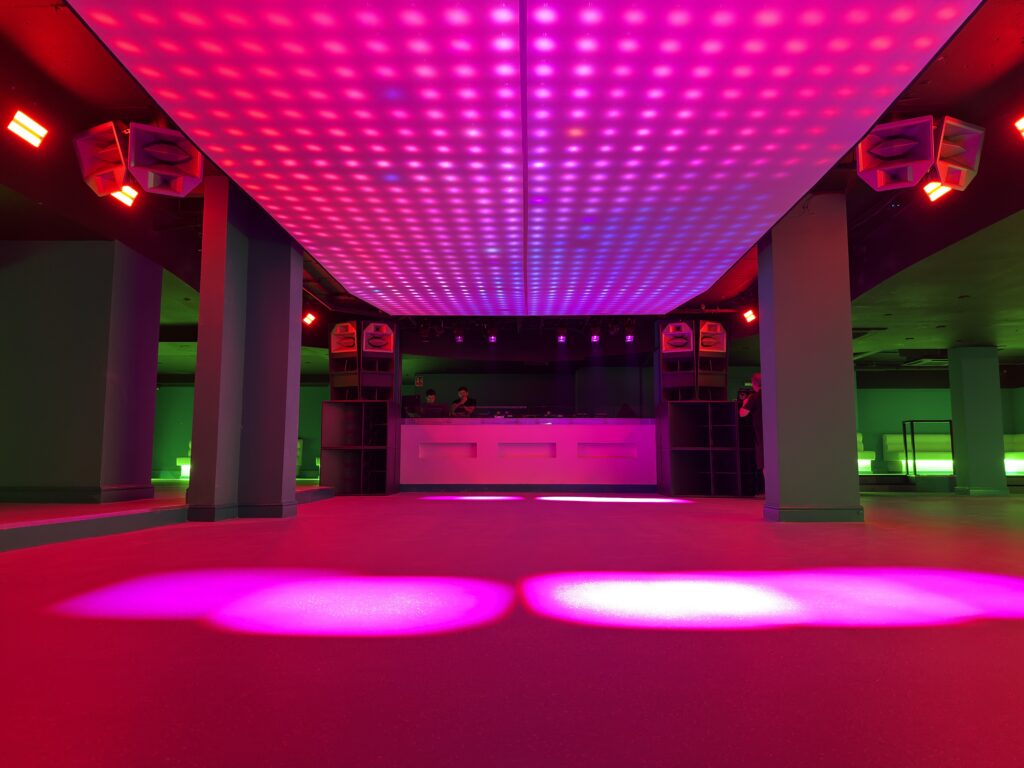
With a large light panel on the ceiling covering the centre of the dancefloor, ‘Clubroom’ is an ode to MiNT Warehouse, the brand’s second ever venue. Sharing similar characteristics, the room brings the MiNT Warehouse spirit to MiNT XL, carrying over the energetic vibes that have become a trademark of the brand.
While the room has a great design from a production perspective, the air conditioning isn’t felt as well in some corners, often making it a very hot space.
Credit: David Dumitru
4. Terrace
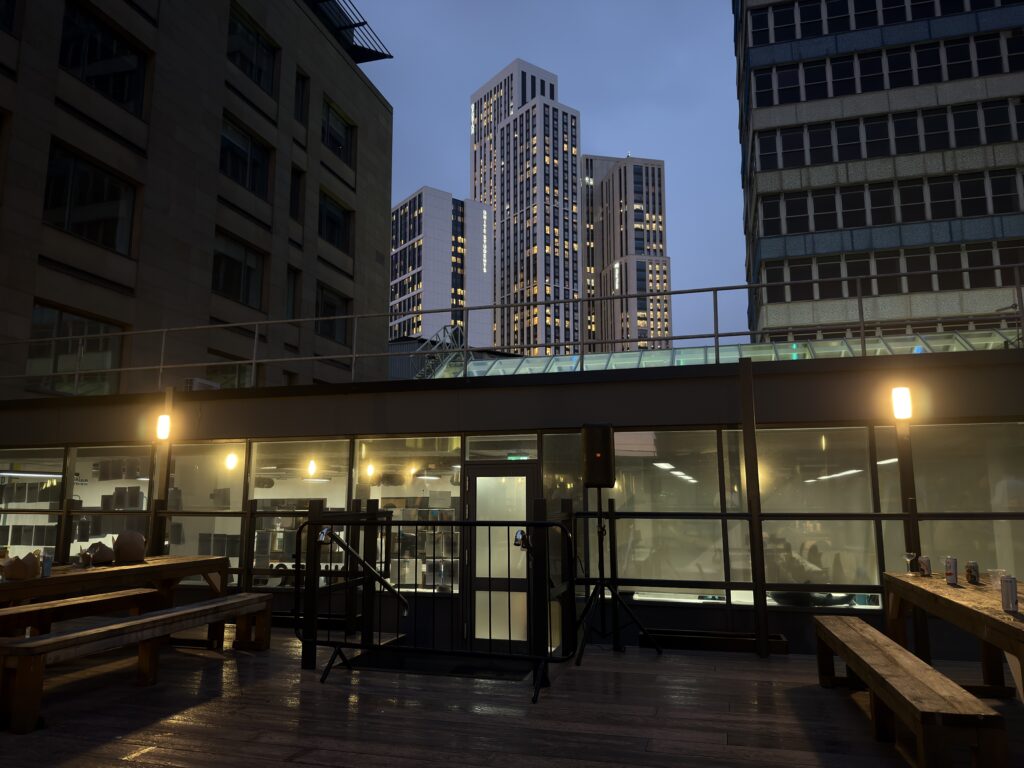
An open-air space with a nice view of some of Leeds city centre’s tallest buildings, the terrace is a well-arranged spot for those who want to unwind a little and take a breath of fresh air. Located close to the ‘Ballroom’, the path to the terrace can, however, become very busy at times.
Credit: David Dumitru
The Music at MiNT XL
The venue opened with the brand’s own event series, ‘system.’, taking over the decks. Across the three rooms, a well-curated line-up delivered the soundtrack to MiNT’s new beginning.
From the perspective of EDM House Network, our highlights were Foehn & Jerome at the ‘Cage’, Craig Richards B2B Francesco Del Garda at the ‘Ballroom’, and then back to the ‘Cage’ for a vinyl session with Fumiya Tanaka.
Credit: @elliotyoungphoto
Beyond the opening night, a wide range of renowned DJs are set to follow at MiNT XL, with the likes of Ewan McVicar, Riordan, Morgan Seatree and a Worried About Henry (WAH) takeover among those already announced. While so far only electronic music events make up the calendar, organisers have said they are excited to expand into new genres and live music.
Atmosphere Inside The Venue
MiNT XL operates a no-phones policy at all events, meaning attendees can fully immerse themselves into the music. Having experienced an event with such policy for the first time, it was impressive to see how big of a change it makes.
Seeing people living in the moment and having fun truly gave everyone a taste of what some mean when they say ‘raving was better in the 90s’. The no-phones policy genuinely made the night feel like a time machine that teleported us back to a time when people used to socialise and not chase Instagram clout at raves.
Credit: @elliotyoungphoto
With three state-of-the-art rooms, a 2,500-capacity venue, a sound system that blows the roof off and a no-phones policy, MiNT XL has real potential to become one of the best nightclubs in the entire UK. The opening party was not just the green light for a new venue in Leeds, but felt more like a statement that MiNT XL is here, and for good.
The club season is only just getting started, with a packed list of upcoming events already lined up at MiNT XL.
Friday 9 October – Marsolo Invites: Marsolo + more TBA
Saturday 10 October – Airspace: Notion, Kyle Starkey, Camille Doe + more
Saturday 17 October – Mint XL Presents: Cam Stockman b2b Tommy Phillips
Friday 30 October – Airspace: Riordan, Stef Davidse + more
Saturday 31 October – Ewan McVicar Presents: Halloween – Ewan McVicar, Special Request, Olive F
Saturday 7 November – Mint XL Presents: ALISHA, Robbie Doherty + more
Saturday 14 November – Mint XL Presents: Morgan Seatree + more TBA
Friday 20 November – Framework Presents: Ben UFO, Papa Nugs + more
Saturday 21 November – Jampacked Would Tour Leeds Edition: Jamback, Anil Aras, A For Alpha
Saturday 19 December – Framework x Mugpie Presents: Christian AB, Unai Trotti + more
Subscribe to our Newsletter
-
 EDM Music4 days ago
New EDM Friday Oct 9: David Guetta, Armin van Buuren & More
-
 Amsterdam Dance Event News6 days ago
ADE Announces Full 30th Anniversary Program
-
 EDM Music4 weeks ago
New EDM Friday Sep 18: HALŌ, HUGEL, Sara Landry & More
-
 EDM Festival News4 weeks ago
Lost Lands Announces Full Set Times and Streaming Details
-
 EDM Festival News4 weeks ago
Tomorrowland Winter 2027 Dates and Ticket Sales Announced
-
 EDM Music3 weeks ago
New EDM Friday Sep 25: Charlotte de Witte, Armin van Buuren & More
-
 EDM Music2 weeks ago
New EDM Friday Oct 2: Martin Garrix, Dom Dolla & More
-
 Amsterdam Music Festival News3 weeks ago
EDM Festivals October 2026: Festivals We Can’t Miss
