
Editorial
12 Festivals & Parties You Can’t Miss in Tulum This Season


Tulum, the jewel of Mexico’s Riviera Maya, transforms into a pulsating paradise during its high season, where ancient Mayan ruins meet cutting-edge electronic dance music. As the sun dips below the Caribbean horizon, the jungle awakens with thumping basslines, laser lights piercing the canopy, and crowds of global ravers chasing euphoria. This season, from late December 2025 through January 2026, promises an unparalleled lineup of festivals and parties that blend mystical vibes with world-class DJs. Whether you’re a techno purist or a house enthusiast, these events capture Tulum’s unique spirit—raw, immersive, and utterly unforgettable. Here’s our curated list of seven must-attend spectacles that will redefine your dance floor adventures.
1. Day Zero Festival
Kicking off the season with mythic intensity, Day Zero Festival returns to Tulum’s enchanted jungles on January 10, 2026. This isn’t just a party; it’s a ritualistic journey where ancient mysticism collides with futuristic beats. Set amid cenotes and towering trees, the event features scene-defining artists curating immersive soundscapes from dusk till dawn. Expect fire performers, ethereal installations, and a crowd vibing in harmony with nature. Why can’t you miss it? Day Zero harnesses the raw energy of Tulum, turning a simple rave into a transformative experience that lingers long after the last drop. Tickets available now.

2. ¿PorQuéNo? (PQN) Tulum Cenote Festival
Why choose when you can have both? The iconic ¿PorQuéNo? kicks off the new year with Tulum’s legendary Tulum’s biggest cenote party returns for two epic days at the stunning Vesica Cenote Club.
Day 1: January 3 (11 AM – 10 PM) Eran Hersh headlines alongside Rami b2b Leonardo, Ana Morss b2b Mauro Torretta, Ashkan Dian, Ivanna, Paulo Cardoso and Tristan Van Grant. Expect high-energy house and melodic grooves while floating in crystal waters under the jungle canopy – the ultimate daytime rave. Tickets available now.

Day 2: White Edition – January 4 (9 AM – 10 PM) Savage & SHē lead the charge with Canetis, Corcuera, Gianfranco Corradi, A-Z, Jessie Maldonado, Mutt & Dee, Obsidian 9, Vali Thun, Walther and a DJ contest winner. Dress code: all white. The vibe gets deeper and sexier as the sun sets – the perfect way to close the weekend in pure Tulum style. Tickets available now.
Two days, one magical cenote – you already know the answer is ¿PorQuéNo?

3. Solomun at Tehmplo
Bosnian-German maestro Solomun graces Tehmplo on January 8, 2026, for a night of deep, melodic house that feels like a personal serenade to the stars. Tehmplo, a venue designed as a temple of sound, amplifies Solomun’s signature extended sets with stunning visuals and an intimate yet expansive atmosphere. As the beats build under the moonlit sky, you’ll find yourself lost in rhythms that blend emotion and energy. This event is a must for fans of nuanced storytelling through music—Solomun’s return after years away promises to be legendary, connecting souls on the dance floor like no other. Tickets available now.

4. Keinemusik at Zamna
The Berlin-based collective Keinemusik storms Zamna Tulum on January 6, 2026, delivering their infectious blend of house, techno, and Afro rhythms. Known for their collaborative magic—featuring &ME, Rampa, and Adam Port—this party transforms the jungle venue into a pulsating heart of groove. With previous editions leaving ravers in awe, expect high-energy sets that evolve from sunset to sunrise, fostering a sense of unity amid the foliage. Keinemusik’s vibe is all about feel-good escapism; missing it would mean skipping one of Tulum’s most soul-stirring spectacles. Tickets available now.

5. Bedouin presents SAGA at Zamna
Nomadic duo Bedouin brings their acclaimed Saga series back to Zamna on January 7, 2026, crafting a narrative of deep, wandering sounds. This event is a sonic odyssey, blending organic house with global influences in a setting that feels like a dreamscape. Saga’s immersive production, complete with thematic visuals and guest artists, invites you to lose yourself in the story. For those craving depth over decibels, Bedouin’s return after a hiatus is a highlight—it’s where music becomes a shared saga, etched in the jungle’s memory. Tickets available now.

6. Hugel – Make The Girls Dance
French DJ Hugel turns up the heat with his “Make The Girls Dance” showcase at Papaya Playa Project on January 7, 2026. Joined by talents like Tom & Collins, this beachfront party is all about infectious Latin-infused house that gets everyone moving. Set against crashing waves and starry skies, Hugel’s energetic sets promise non-stop dancing and joyful vibes. It’s the ultimate feel-good event for mingling, grooving, and creating memories—perfect for ravers who love a mix of fun and flair in Tulum’s iconic beach setting. Tickets available now.

7. Handz of Time
The second annual Handz of Time takeover hits Mía Tulum on Thursday, January 8, 2026, turning the iconic beachfront venue into an eight-hour sunset-to-moonlight journey of deep, hypnotic house and techno. Label founders Savage & SHē headline alongside heavy-hitters APACHE, Mee-Kay, Dhahm, and Tristan Van Grant, delivering a seamless blend of global grooves, exclusive edits, and that unmistakable Handz of Time energy. After last year’s sold-out debut left the jungle buzzing, this edition promises even bigger vibes, crystal-clear sound by the waves, and a crowd of true heads ready to dance barefoot under the stars. If you’re craving authentic underground flavor with a breathtaking ocean backdrop, this is your mid-season must-attend. Tickets available now.

8. Chronicles Festival Presents Tribus
Ignite the pre-NYE frenzy with Chronicles Festival Presents Tribus on December 27, 2025, a high-octane private event that sets the tone for Tulum’s wild season. Kicking off at 9:00 PM in the heart of Tulum, this festival-curated party dives deep into electronic grooves, featuring a lineup of underground talents ready to unleash pulsating house and techno rhythms. With its intimate jungle-infused setup, Tribus promises raw energy, surprise collaborations, and a crowd that’s all about that unfiltered connection. As Chronicles’ signature blend of timeless beats meets Tulum’s mystical allure, this is the insider’s kickoff you can’t skip—perfect for building anticipation with friends before the calendar flips. Tickets available now.

9. 420 Festival
Cap off the season with a hazy, euphoric bang at 420 Festival on January 17, 2026, where cannabis culture collides with thumping EDM in true Tulum fashion. Set against the Riviera Maya’s lush backdrops—likely at a beach or jungle venue like Cenote Dos Osos—this all-day affair celebrates chill vibes with a lineup of groove-heavy DJs spinning relaxed house and downtempo techno. Expect interactive art installations, smoke-friendly zones, and a lineup that evolves from sunset sets to starry-night afterparties. Tickets drop soon, so stay tuned; it’s the laid-back finale that leaves you floating, blending Tulum’s natural highs with musical ones for an unforgettable wind-down. Tickets available now.

10. Positive Sounds Label Showcase
Toronto’s melodic powerhouse Positive Sounds makes its highly anticipated Tulum debut on January 7, 2026, taking over the intimate Nest Beer House with a killer Canadian lineup: Ashkan Dian, Lumero, Samara Del Mara, and Shayne Mags. Expect a night of emotive melodic techno, soaring indie dance energy, and those signature Afro-house grooves, all laced with exclusive edits and unreleased heat straight from the label’s family vault. In the lush, limited-capacity jungle setting of Nest Beer House, this showcase promises goosebump moments and an electric, close-knit vibe that only true label nights deliver—if you’re hunting for the season’s standout underground gem, this is it. Tickets available now.

11. Ancestral Soul Experience
Every Sunday throughout the winter season (November 2025 – April 2026), Bonbonniere Tulum becomes sacred ground for Ancestral Soul Experience – the weekly ritual that blends ancient Mayan spirituality with cutting-edge deep house and organic techno. Curated by Leo Figuer and Rami Music, this immersive night fuses live percussion, shamanic elements, hypnotic visuals, and ever-evolving lineups of underground selectors into a powerful ceremonial dance. Past editions have left dancers in a state of collective healing and euphoria long after sunrise. For anyone staying more than a few days in Tulum, Ancestral Soul isn’t just an event – it’s your Sunday recharge, your spiritual reset, and one of the most authentic recurring experiences the jungle has to offer. Mark your calendar and join the tribe. Tickets available now.

12. Vagalume Presents: GO DEEVA
On Sunday, January 25, 2026, Vagalume Tulum welcomes GO DEEVA – the celebrated showcase from Italy’s Go Deeva Records, founded by Simone Vitullo. Known for its addictive fusion of afro house, melodic deep house, and organic rhythms that have earned heavy support from Black Coffee, Keinemusik, Bedouin, and Pete Tong, this one is already creating serious buzz. The full lineup is still to be announced, so keep your eyes glued to @vagalume_tulum for the drop. Once those names land, expect sunset cocktails, flawless sound, and non-stop dancing in Vagalume’s iconic open-air jungle-beach paradise. Tickets are moving fast even pre-lineup – secure yours now!

As the beats fade and the sun rises over Tulum’s shores, these events remind us why this destination reigns supreme in the EDM world. Grab your tickets early, pack your dancing shoes, and prepare for a season of pure magic. Whether you’re chasing sunrises or cenote dips, Tulum’s festivals will leave you inspired and invigorated. See you on the dance floor!
Subscribe to our Newsletter

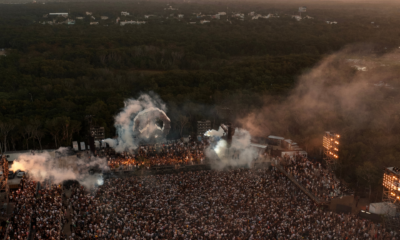


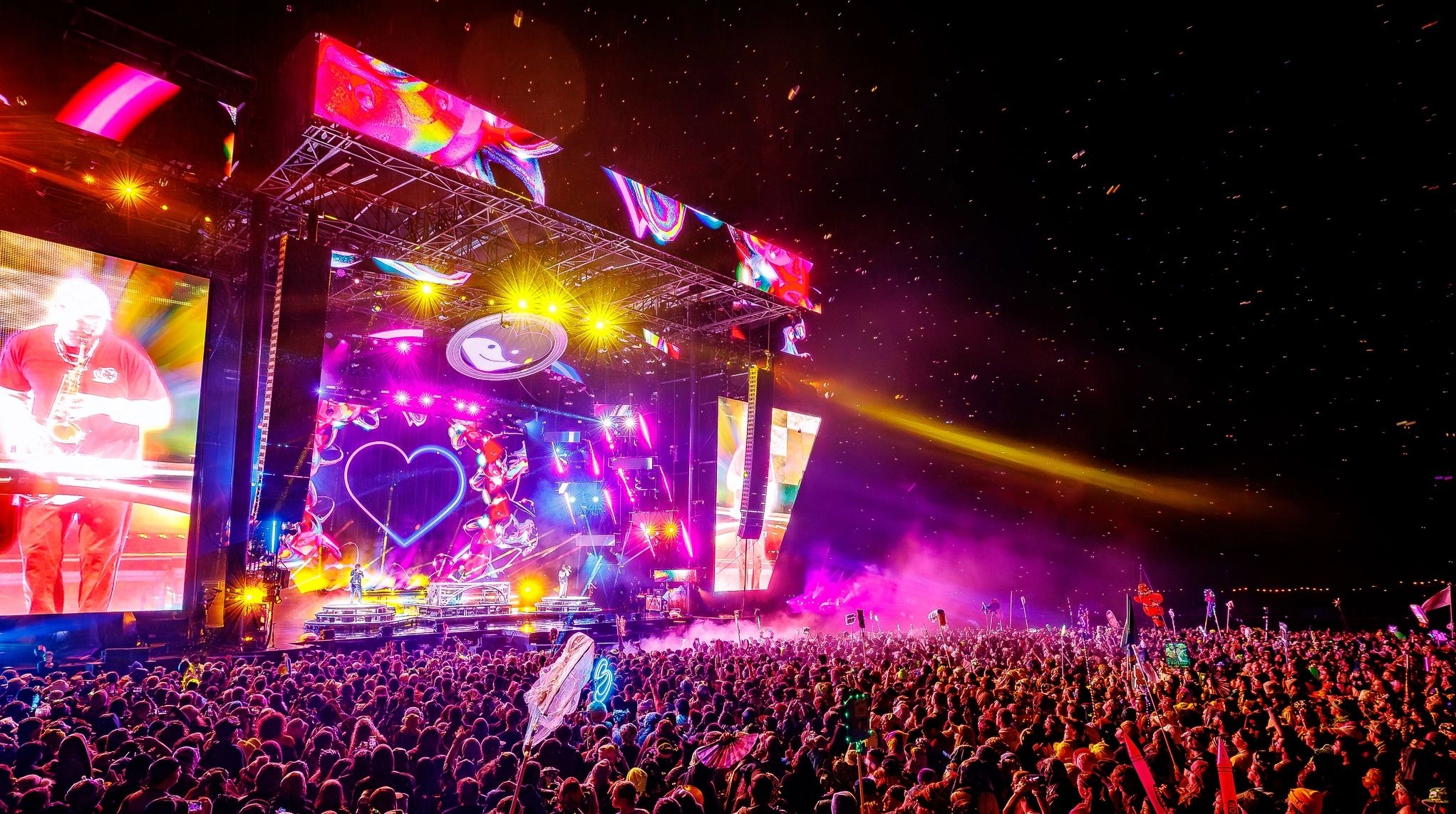
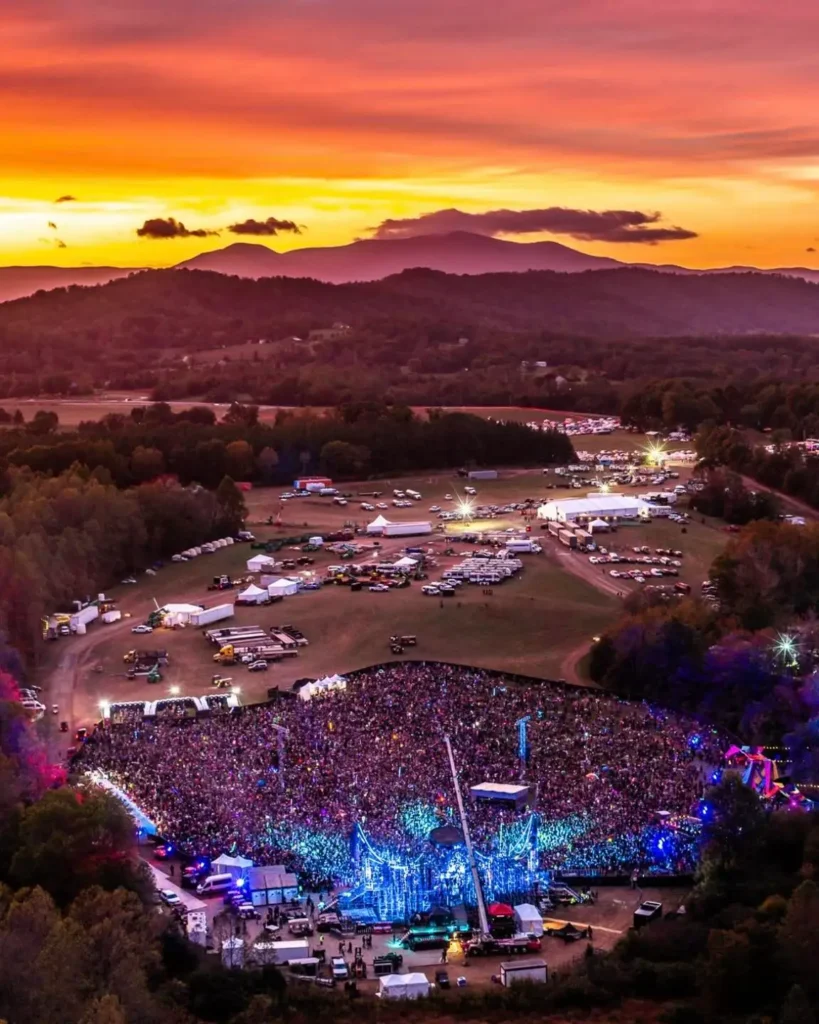
As the second annual Valley of the Seven Stars approaches, bass music fans across the country are prepping their gear and locking in their set times. Taking over the Oak Ridge Estate in Arrington, Virginia from October 8–11, this gathering marks the long-awaited payoff of GRiZ’s two-year hiatus. The event has quickly earned a reputation as one of the bass community’s premier “homie” festivals, trading commercial refinement for deep curation and authentic energy. Whether you are hunting for ground-shaking low end or sunset grooves, here are the 7 most anticipated performances to highlight on your schedule:
7. Richard Finger
Set Time: Saturday, 4:50 PM – 5:50 PM
Operating entirely behind anonymous masks, Richard Finger has become one of bass music’s most intriguing underground phenomena. The mysterious duo popped onto the radar with relentless sound design and uncompromisingly heavy drops, rapidly earning a rotation in festival sets worldwide. While internet investigators continue trying to uncover their true identities, the project lets the sheer sound of low end rhythm do the talking. Catching them in the afternoon heat on Saturday is guaranteed to wake up the crowd.
6. Hedex
Set Time: Sunday, 8:30 PM – 9:30 PM
Hedex has been at the forefront of the modern drum and bass explosion. He has been taking jump-up rhythms out of underground UK clubs and pushing them onto major American festival stages. This performance serves as the official launch for his North American “Nu Era” tour. Known for quick double drops and explosive crowd control, his Sunday slot will deliver a shot of pure adrenaline just as festivalgoers enter the final night.
5. GRiZ (Chasing The Golden Hour)
Set Time: Saturday, 6:05 PM – 7:20 PM
GRiZ has always known how to curate a vibe, but his Chasing The Golden Hour (CTGH) concept holds a legendary place in the scene. It was originally conceived as a mixtape series built around vintage samples, mellow hip-hop beats, and live sax riffs. CTGH offers a soulful counterweight to his heavy dubstep headline sets. Following packed-out demand at past events, this sunset window is made for collective unwinding. It is the defining emotional anchor of the weekend, best experienced surrounded by friends on an open hill.
4. Mersiv
Set Time: Saturday, 8:30 PM – 9:30 PM
DJ & producer Anderson Gallegos, known professionally as Mersiv, has carved out a dedicated subculture with his trademark “Pretty Dark Loud” sound design. Mersiv crafts sets that feel simultaneously meditative and heavy by combining hypnotic downtempo atmospheres with distortion-heavy basslines. Dropping into Saturday prime time, his set will steer the valley into its deepest, most psychedelic sonic territory.
3. Seth David (R&Bass)
Set Time: Friday, 1:00 AM – 2:00 AM (After Hours)
Returning to the Seven Stars lineup for a second run, Seth David brings his signature R&Bass sound to the Satellite Stage. The project fuses classic 90s and 2000s R&B vocals with sub-bass frequencies. This set gives night owls a refreshing alternative to the standard festival sound anding directly in the after-hours slot,
2. Distinct Motive
Set Time: Sunday, 6:50 PM – 7:50 PM
Hailing from Ontario, Distinct Motive has spearheaded the revival of pure 140 BPM sound system culture in North America. His productions emphasize sub-bass, surgical mixing, and deep roots in old-school UK dubstep. Since his anthem “Wait A Minute” dominated stages everywhere, his profile has skyrocketed. Sunday evening marks his debut on the mainstage, bringing chest-rattling low frequencies to the festival’s largest sound system.
1. Kaleena Zanders
Set Time: Thursday, 8:00 PM – 9:00 PM
Revered as one of modern dance music’s most captivating vocal powerhouses, Kaleena Zanders channels gospel roots through classic house grooves. With major collaborative releases alongside fellow headliners, her live sets go far beyond ordinary DJ performances. Slotted into Thursday evening, she will set an uplifting, soulful tone for the entire cosmic campout before the heavier bass takes over.
With four days of music spread across The Valley, pacing is going to be everything. Set conflicts are inevitable when a lineup has this much variety. Be sure to leave room in your schedule to wander between stages and stumble onto artists outside your radar.
Grab the official festival app to stay updated on any last-minute schedule shifts and look out for your crew.
View this post on Instagram
Subscribe to our Newsletter

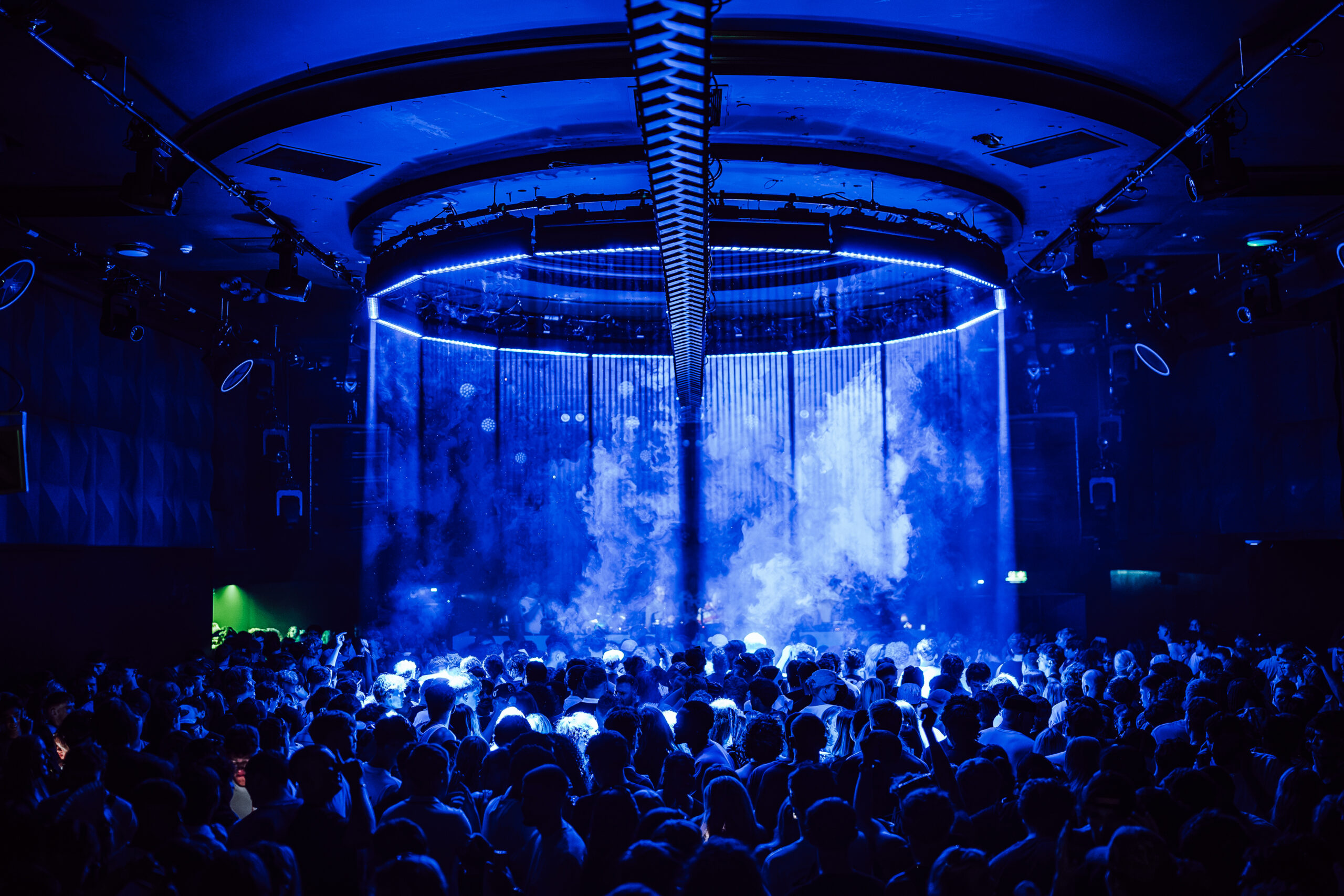
MiNT XL opens its doors in Leeds with a sold-out party for 2,500 ravers, as Craig Richards, Enzo Siragusa and Sonja Moonear launch the new nightclub
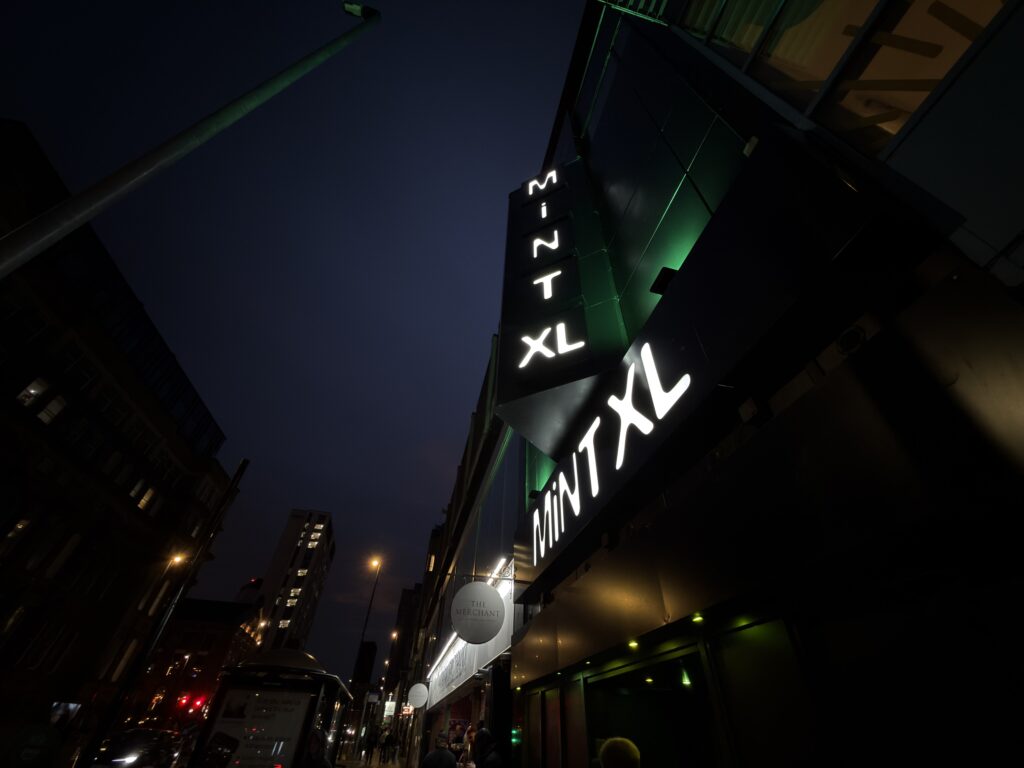
MiNT XL officially opened its doors on Friday, 25 September, with a sold-out opening party featuring names like Craig Richards, Enzo Siragusa and Sonja Moonear. 2,500 ravers gathered in the heart of Leeds city centre to experience the latest addition to the city’s rich rave culture, marking a memorable beginning for MiNT XL.
Taking over the former nightclub, PRYZM Leeds, MiNT set themselves the challenge of giving the venue a new identity through their own production and iconic signature. In an interview with EDM House Network earlier this year, MiNT marketing manager, Mikey McMahon said they wanted people to walk into MiNT XL and feel like they were part of something forward-thinking. There is no doubt they have achieved this, with the opening night already setting MiNT XL apart from other venues in Leeds.
Credit: David Dumitru
Exploring The Venue’s Layout
Arriving at the venue, you could feel the excitement in the air as people made their way into the club. Music was bumping through the walls and the night was just getting started. Walking inside, the dark environment immediately made it feel like a rave and not a regular nightclub.
Heading up the stairs from the entrance, we reached the main hall of the venue, which houses two of the three rooms at MiNT XL, as well as an open-air terrace. The ‘Clubroom’ was the first room people encountered on the floor, while the main room, also known as the ‘Ballroom’, sits to the left of the hall.
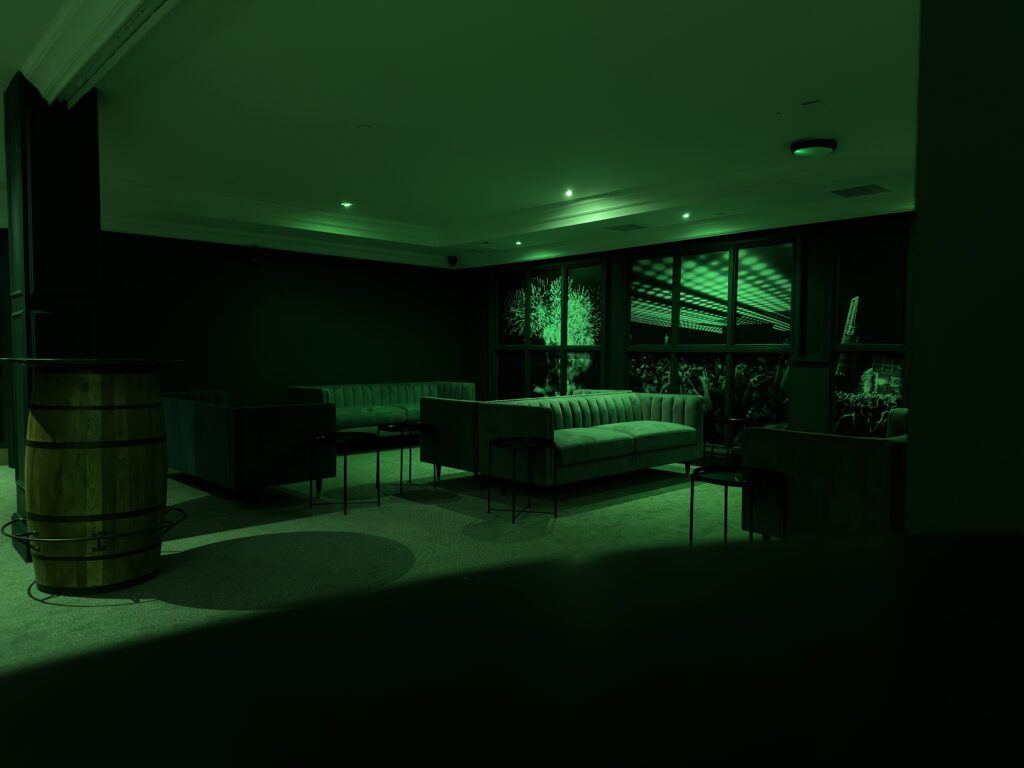
The second floor is a great extension of what the main floor has to offer, hosting the venue’s third room, ‘Cage’, as well as an additional bar with sofas and seating for those wanting a quick break from the dancefloor. The VIP area is also located on this floor, providing a comfortable chill-out space with its own bar and seating area.
Credit: David Dumitru
The Rooms at MiNT XL
1. Ballroom
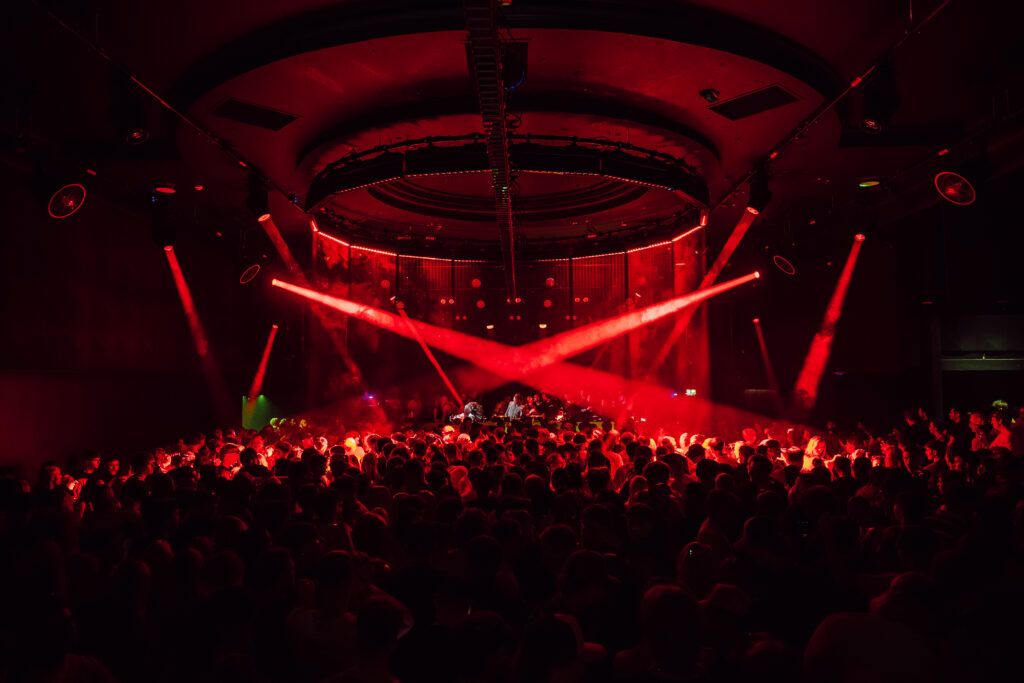
The largest of the three rooms, the ‘Ballroom’ is a warehouse type of space hosting the headlining names on MiNT XL’s line-ups. Some of the lighting features that stood out as soon as we walked into the room included the large ring structure above the dancefloor, as well as the linear rigs placed horizontally across the ceiling, which rotate to create a wave-like effect through light.
Another standout piece of the room is the newly installed Funktion-One Vero sound system, delivering bass that pumps through your body and an overall premium sound quality. The same system can also be found in the other two rooms, where its impact is even greater due to their smaller capacities.
Credit: @elliotyoungphoto
2. Cage
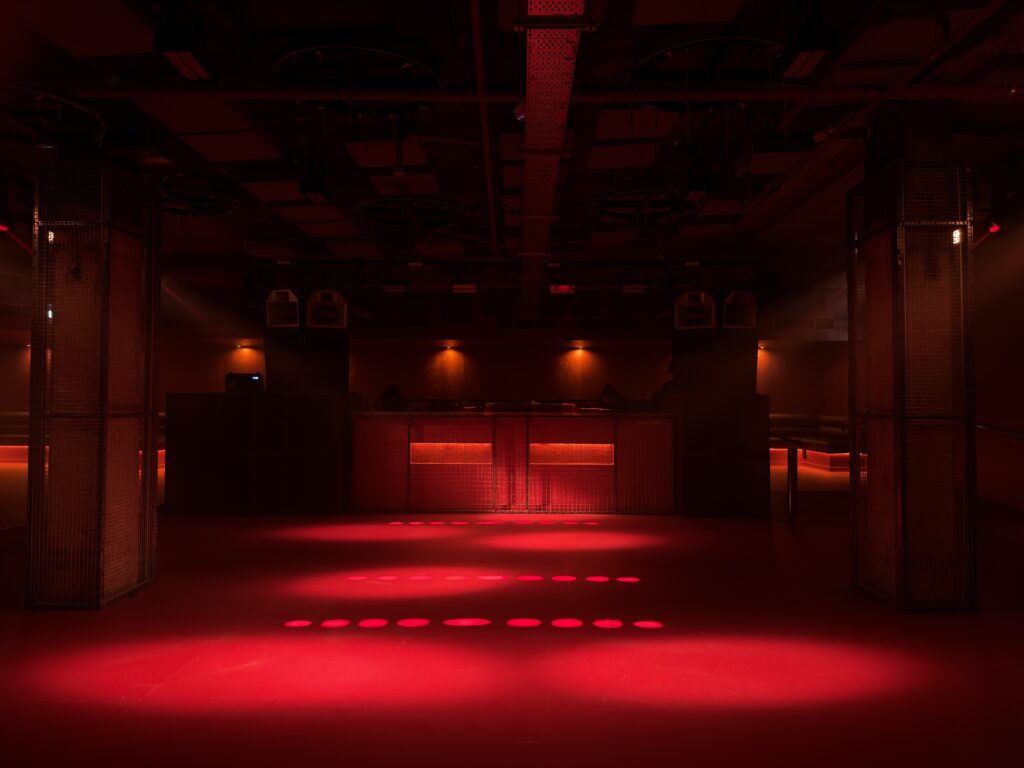
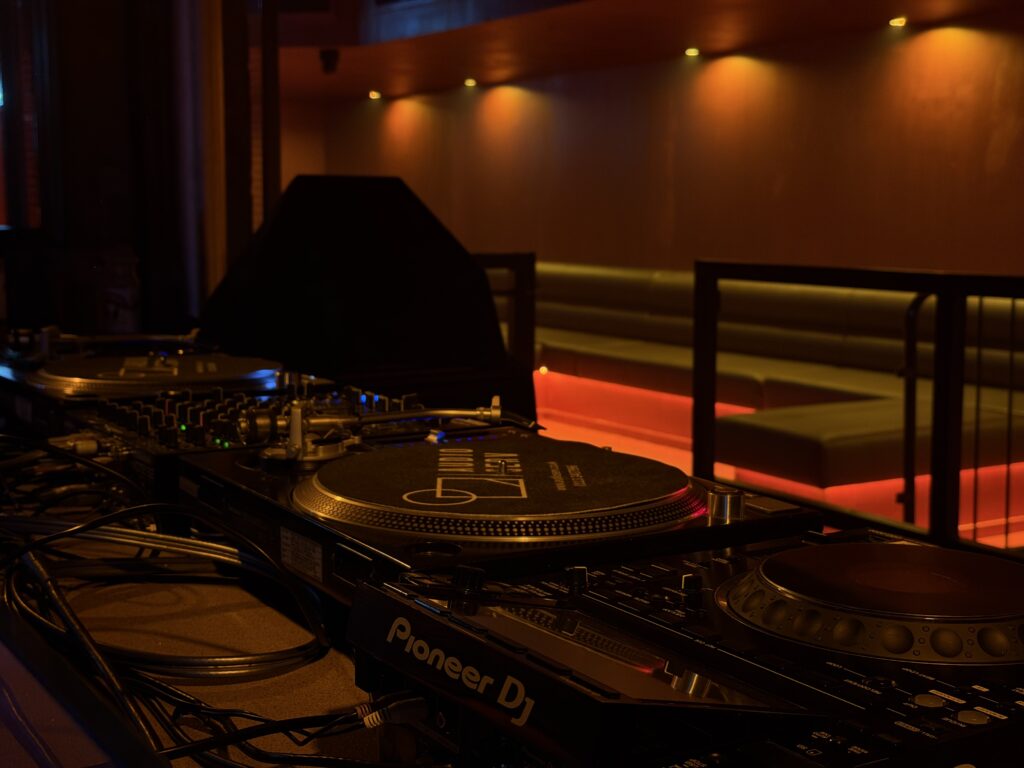
Probably the most interesting room of the three, and our personal favourite, ‘Cage’ delivers an experience like no other. Its design feels unique and fresh out of the box, while still maintaining a lush feel. Throughout the opening night, the room was lit up with orange lighting, creating a somewhat comfortable atmosphere amid all the chaos going on.
Credit: David Dumitru
‘Cage’ also has a few sofas placed around the room, helping complete its luxurious feel. The cherry on top, however, is the fact that the space will often welcome DJs playing on vinyl. We had the chance to witness this live, and let me tell you, seeing the artists flip and swap records behind the decks totally elevates the experience.
Credit: David Dumitru
3. Clubroom
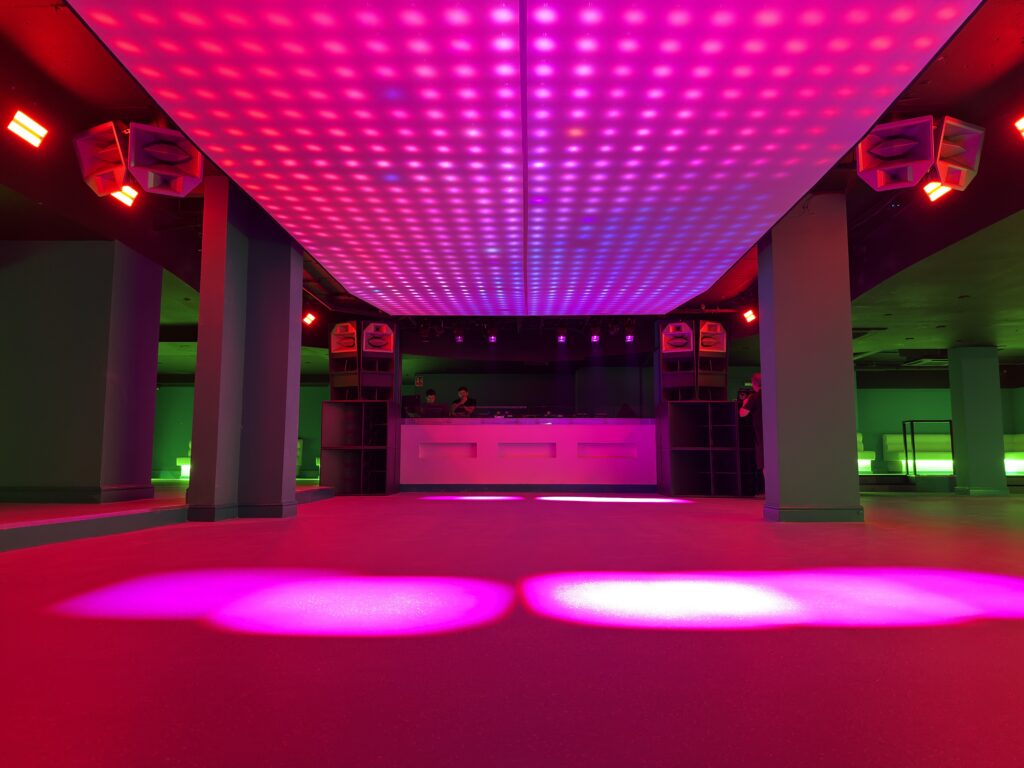
With a large light panel on the ceiling covering the centre of the dancefloor, ‘Clubroom’ is an ode to MiNT Warehouse, the brand’s second ever venue. Sharing similar characteristics, the room brings the MiNT Warehouse spirit to MiNT XL, carrying over the energetic vibes that have become a trademark of the brand.
While the room has a great design from a production perspective, the air conditioning isn’t felt as well in some corners, often making it a very hot space.
Credit: David Dumitru
4. Terrace
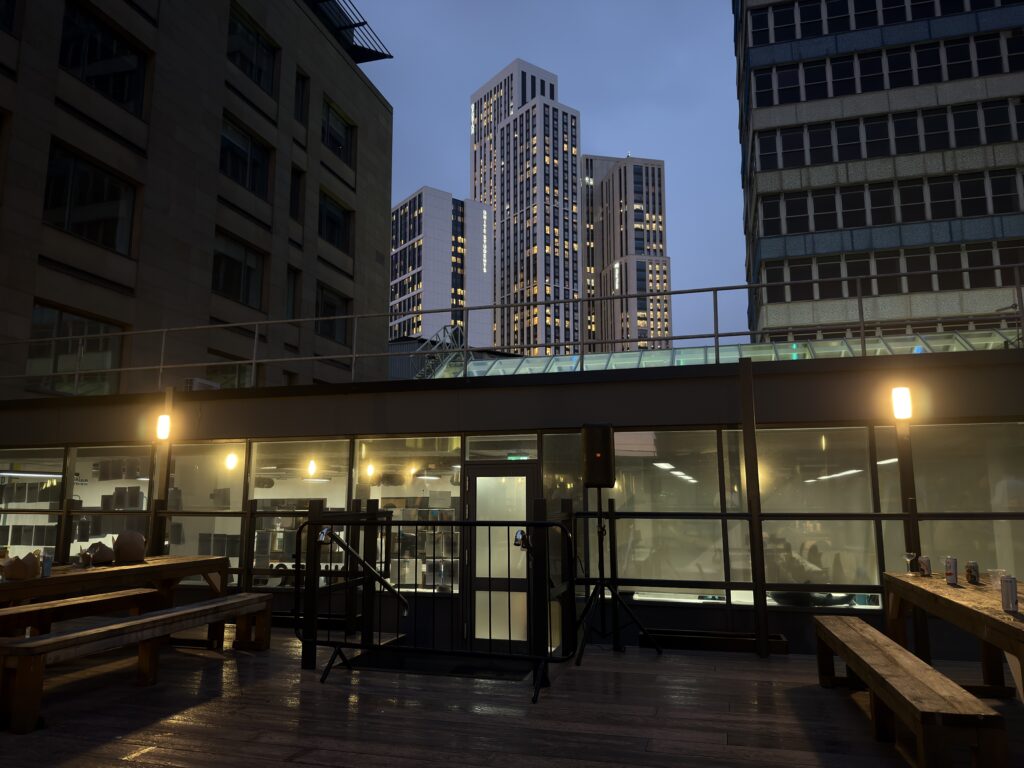
An open-air space with a nice view of some of Leeds city centre’s tallest buildings, the terrace is a well-arranged spot for those who want to unwind a little and take a breath of fresh air. Located close to the ‘Ballroom’, the path to the terrace can, however, become very busy at times.
Credit: David Dumitru
The Music at MiNT XL
The venue opened with the brand’s own event series, ‘system.’, taking over the decks. Across the three rooms, a well-curated line-up delivered the soundtrack to MiNT’s new beginning.
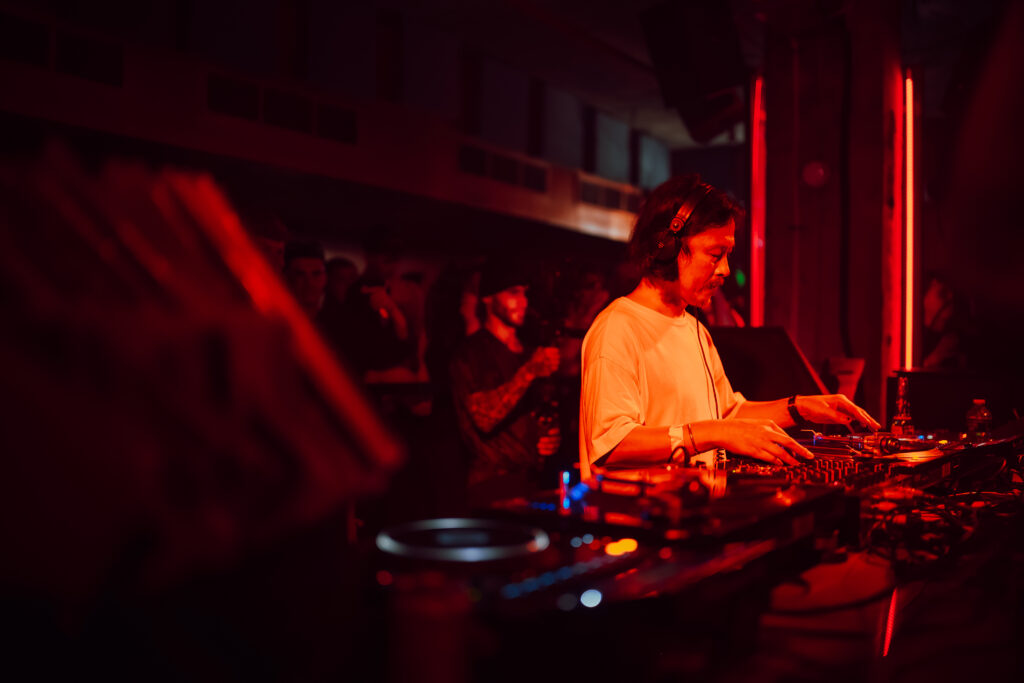
From the perspective of EDM House Network, our highlights were Foehn & Jerome at the ‘Cage’, Craig Richards B2B Francesco Del Garda at the ‘Ballroom’, and then back to the ‘Cage’ for a vinyl session with Fumiya Tanaka.
Credit: @elliotyoungphoto
Beyond the opening night, a wide range of renowned DJs are set to follow at MiNT XL, with the likes of Ewan McVicar, Riordan, Morgan Seatree and a Worried About Henry (WAH) takeover among those already announced. While so far only electronic music events make up the calendar, organisers have said they are excited to expand into new genres and live music.
Atmosphere Inside The Venue
MiNT XL operates a no-phones policy at all events, meaning attendees can fully immerse themselves into the music. Having experienced an event with such policy for the first time, it was impressive to see how big of a change it makes.
Seeing people living in the moment and having fun truly gave everyone a taste of what some mean when they say ‘raving was better in the 90s’. The no-phones policy genuinely made the night feel like a time machine that teleported us back to a time when people used to socialise and not chase Instagram clout at raves.
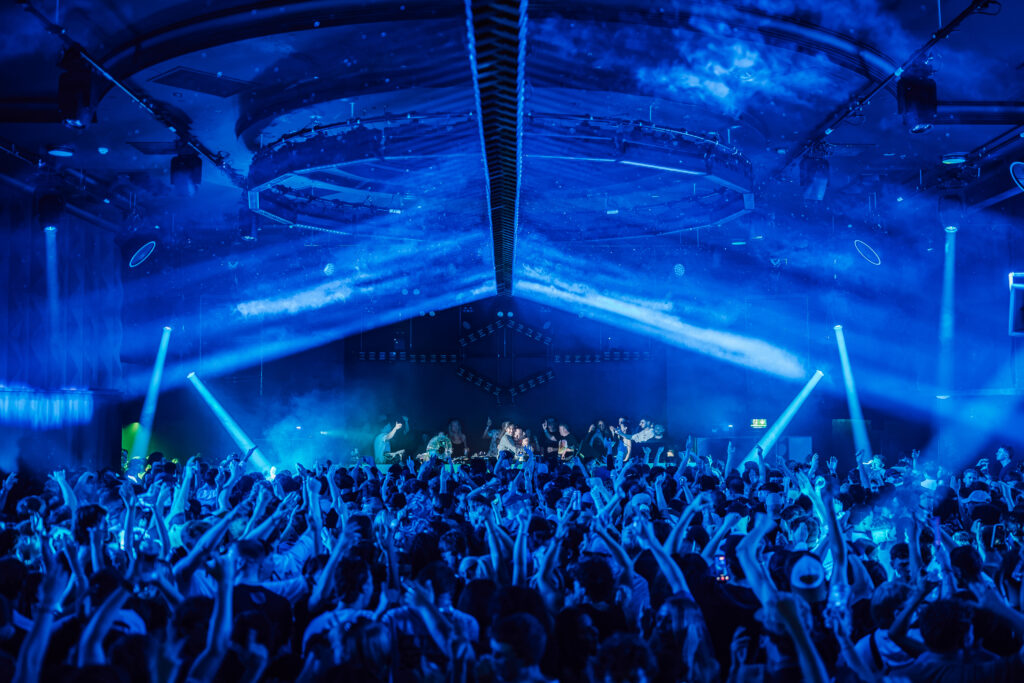
Credit: @elliotyoungphoto
With three state-of-the-art rooms, a 2,500-capacity venue, a sound system that blows the roof off and a no-phones policy, MiNT XL has real potential to become one of the best nightclubs in the entire UK. The opening party was not just the green light for a new venue in Leeds, but felt more like a statement that MiNT XL is here, and for good.
The club season is only just getting started, with a packed list of upcoming events already lined up at MiNT XL.
Friday 9 October – Marsolo Invites: Marsolo + more TBA
Saturday 10 October – Airspace: Notion, Kyle Starkey, Camille Doe + more
Saturday 17 October – Mint XL Presents: Cam Stockman b2b Tommy Phillips
Friday 30 October – Airspace: Riordan, Stef Davidse + more
Saturday 31 October – Ewan McVicar Presents: Halloween – Ewan McVicar, Special Request, Olive F
Saturday 7 November – Mint XL Presents: ALISHA, Robbie Doherty + more
Saturday 14 November – Mint XL Presents: Morgan Seatree + more TBA
Friday 20 November – Framework Presents: Ben UFO, Papa Nugs + more
Saturday 21 November – Jampacked Would Tour Leeds Edition: Jamback, Anil Aras, A For Alpha
Saturday 19 December – Framework x Mugpie Presents: Christian AB, Unai Trotti + more
Subscribe to our Newsletter

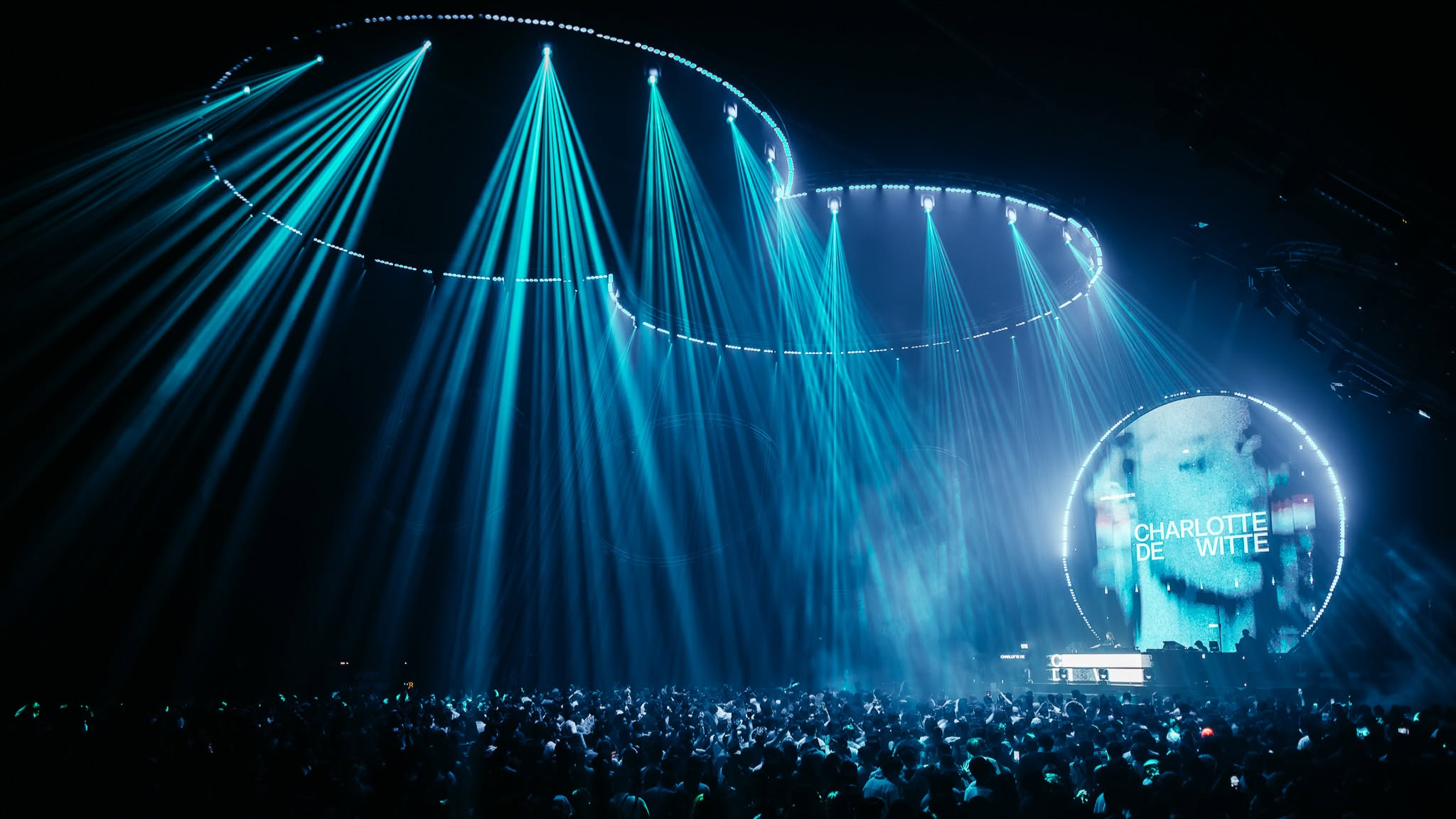
EDM Festivals October 2026: Festivals We Can’t Miss worldwide as major events fill the month across North America, Asia, Europe, and South America
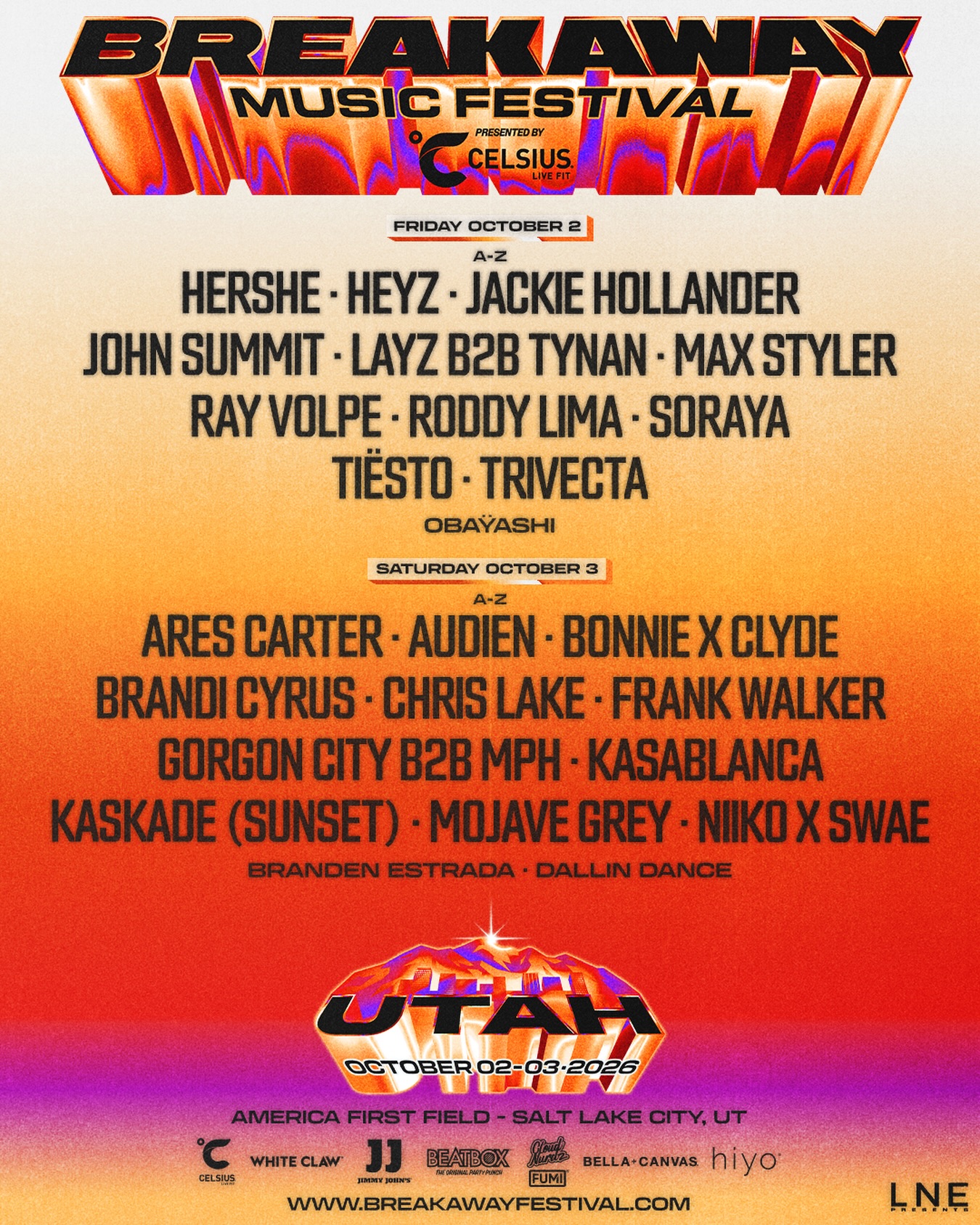
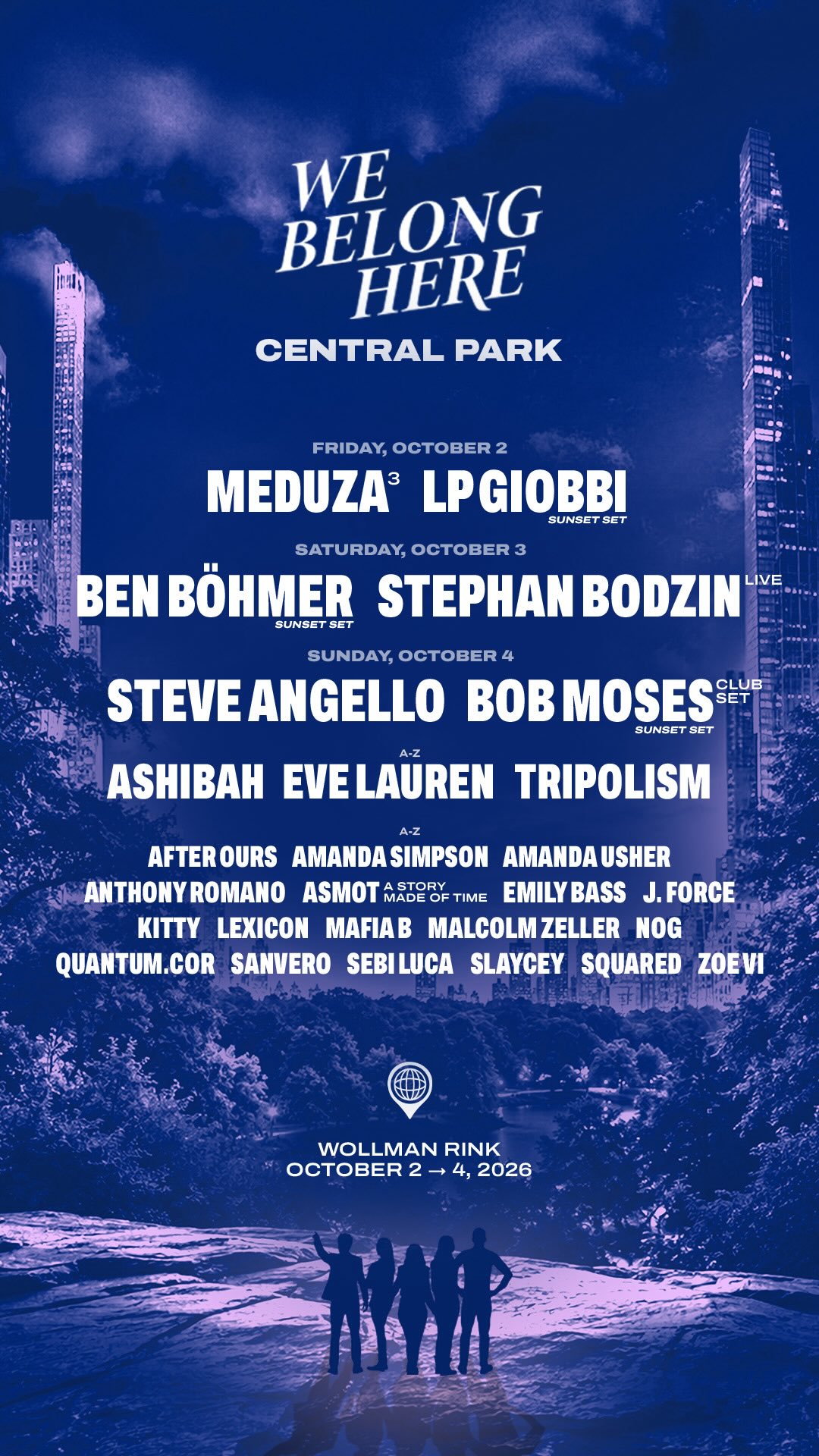
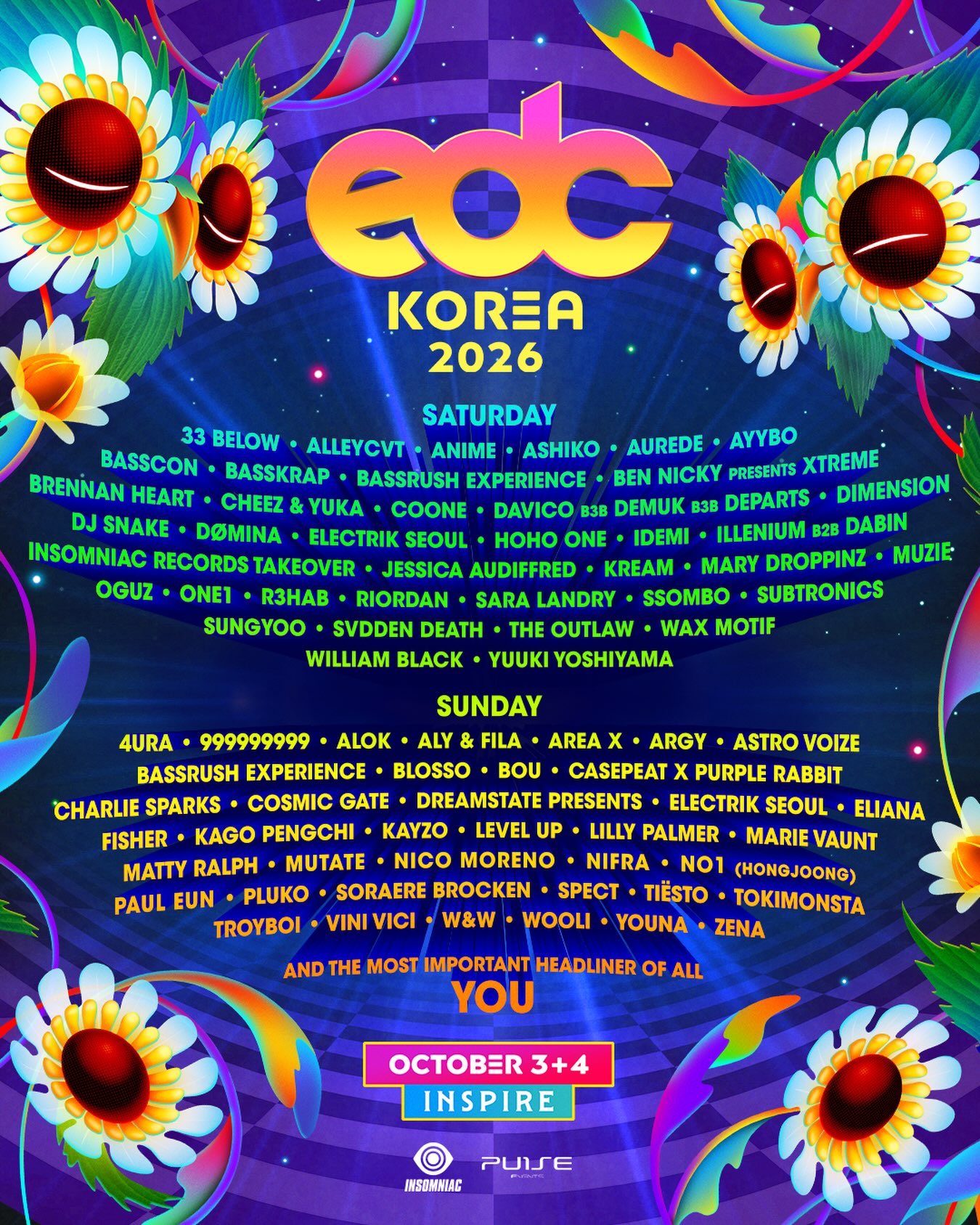
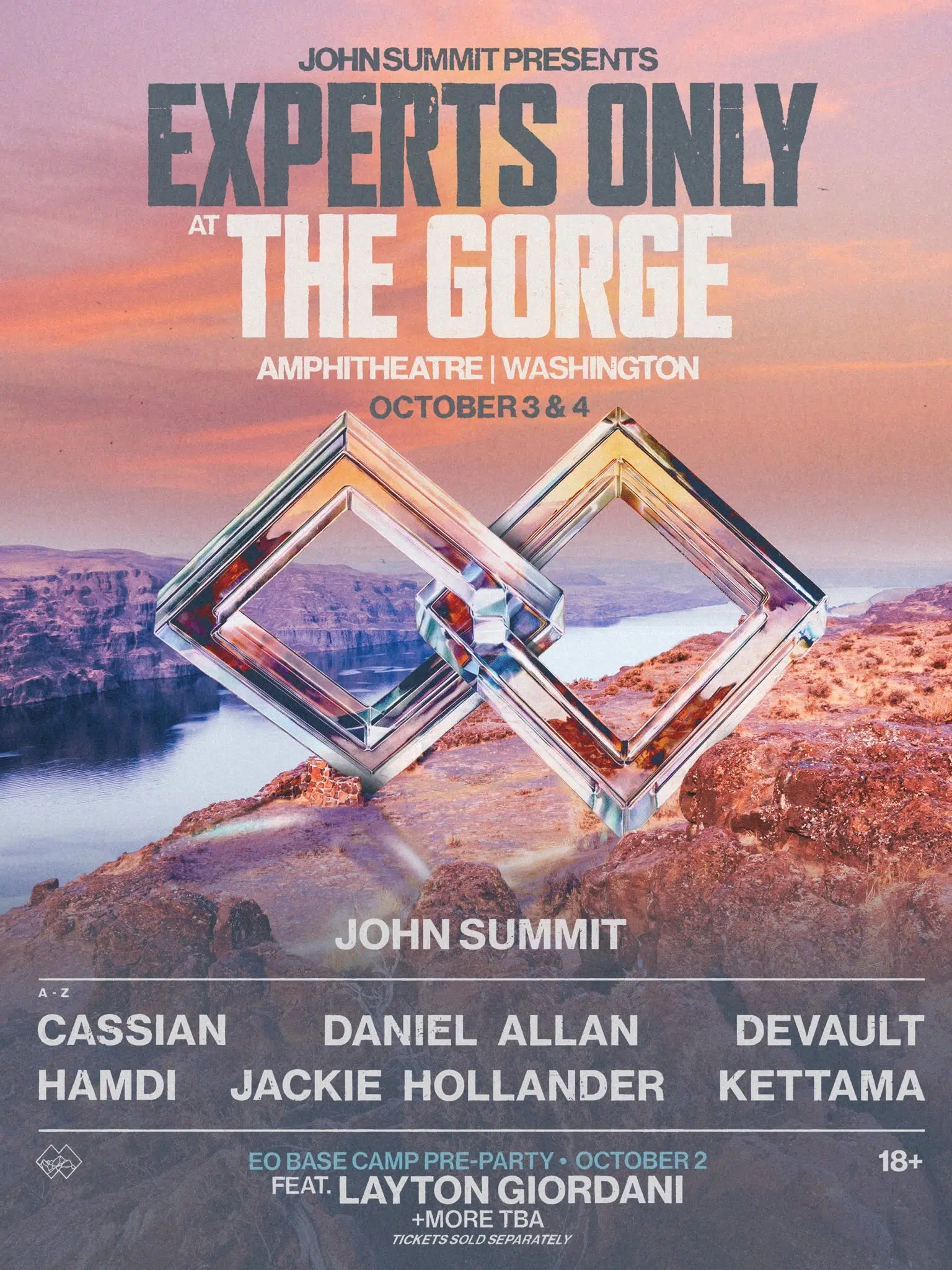
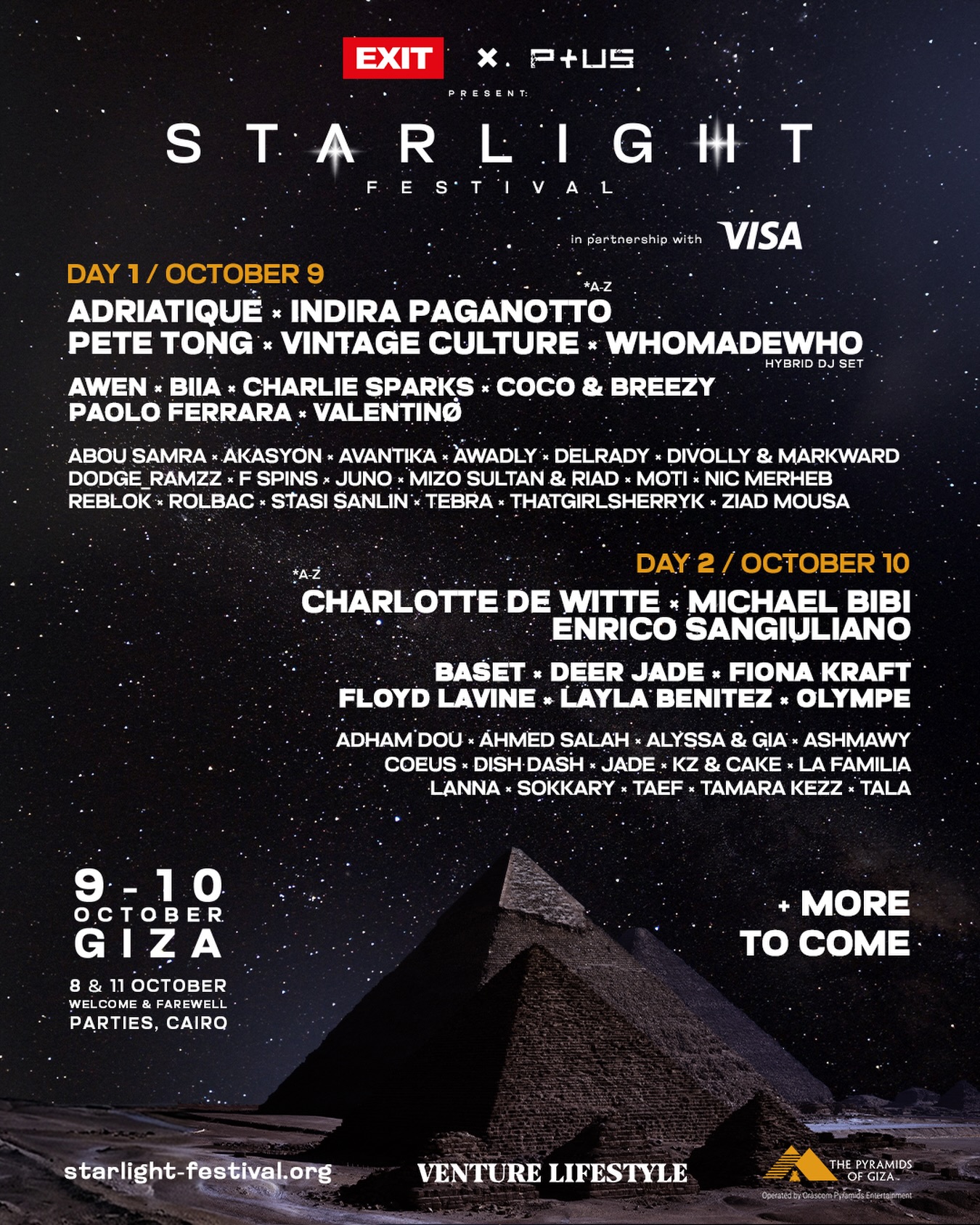
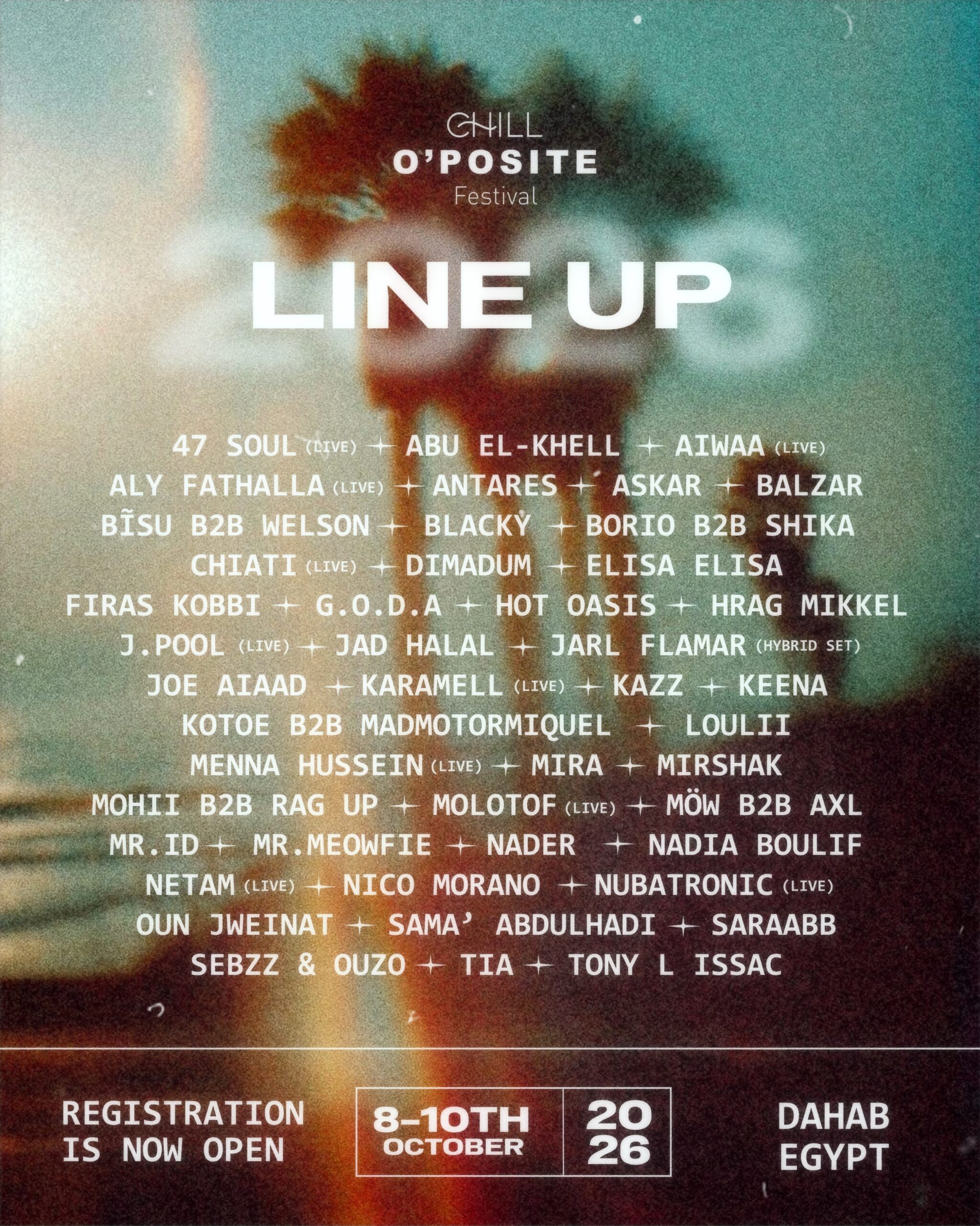
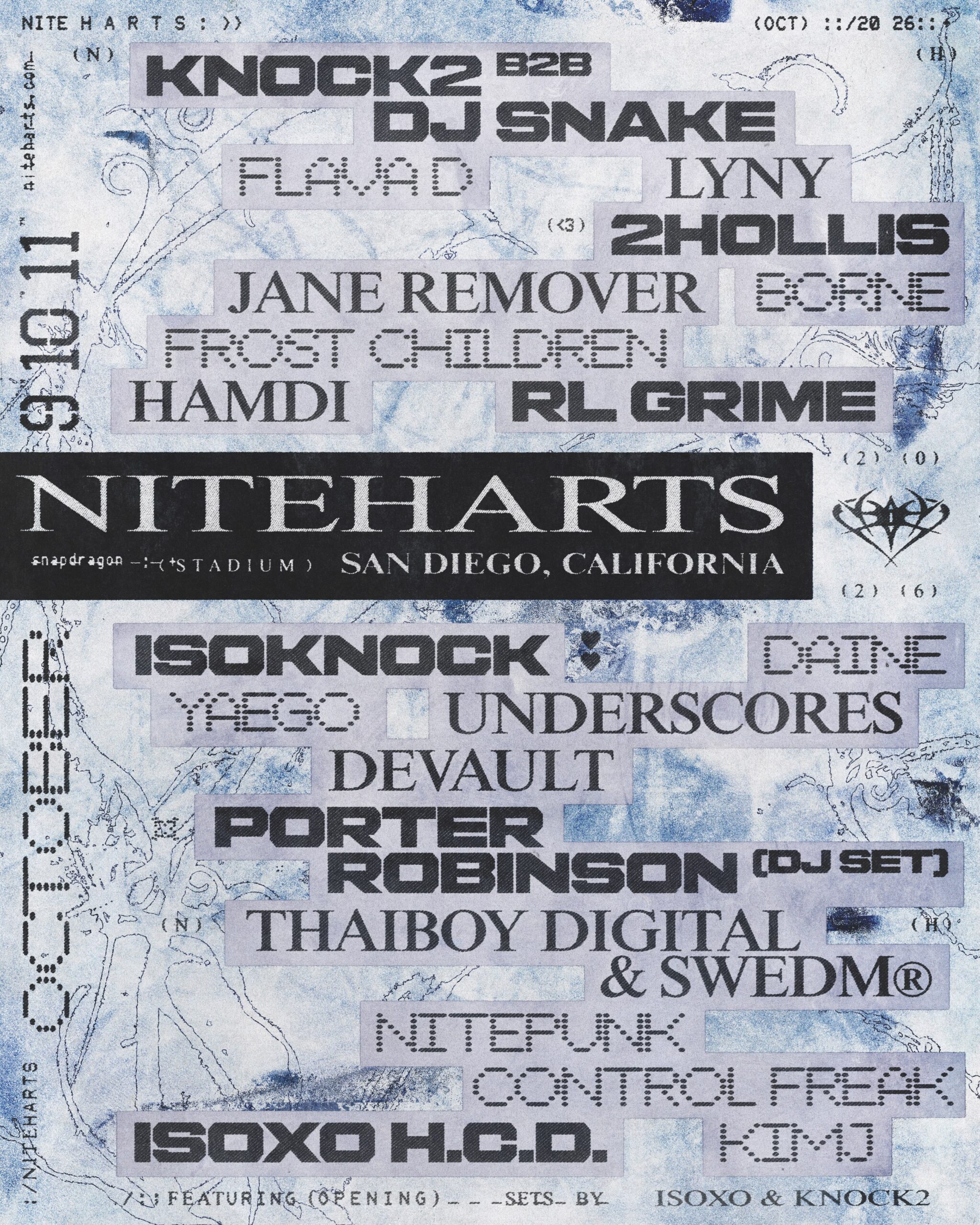
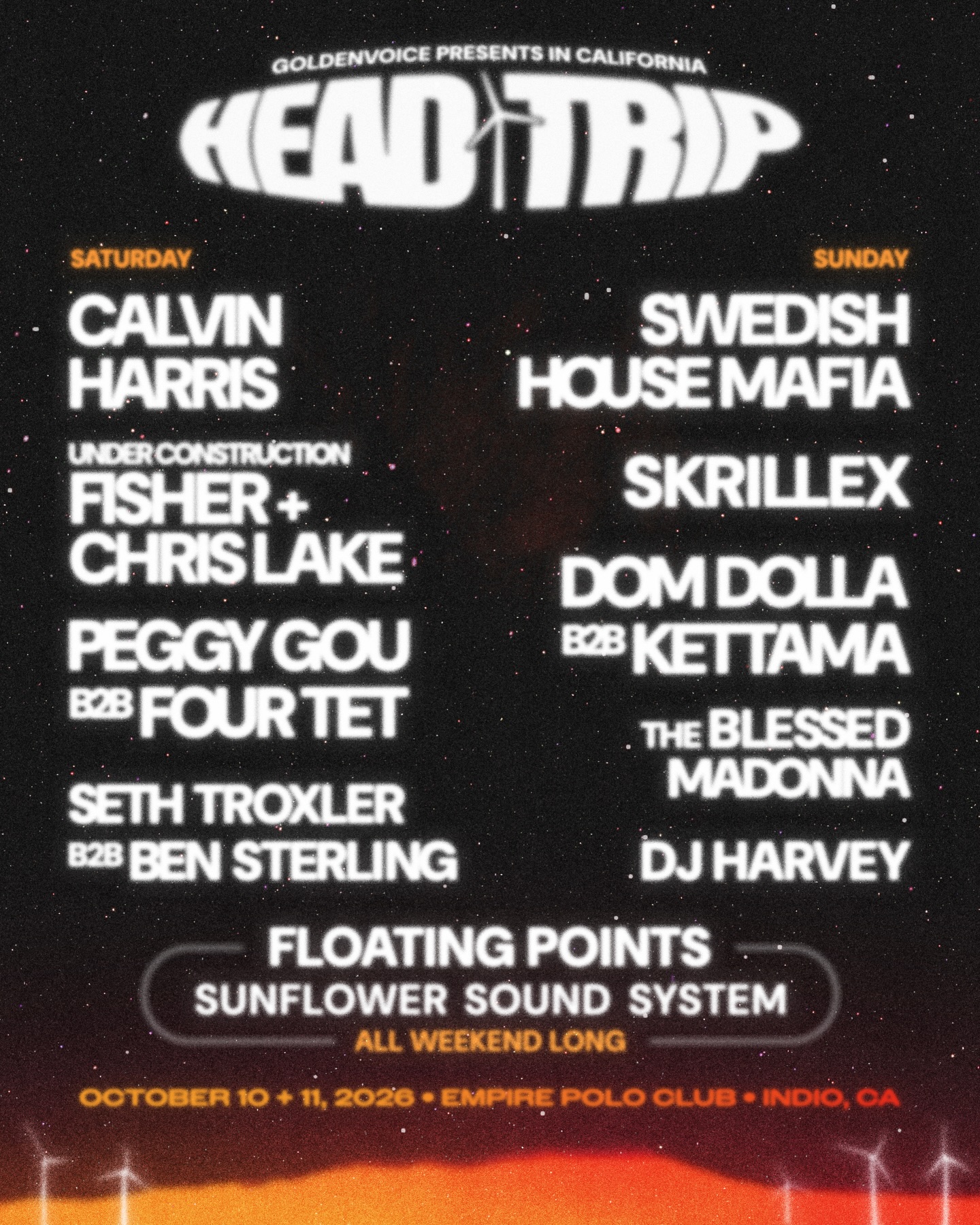
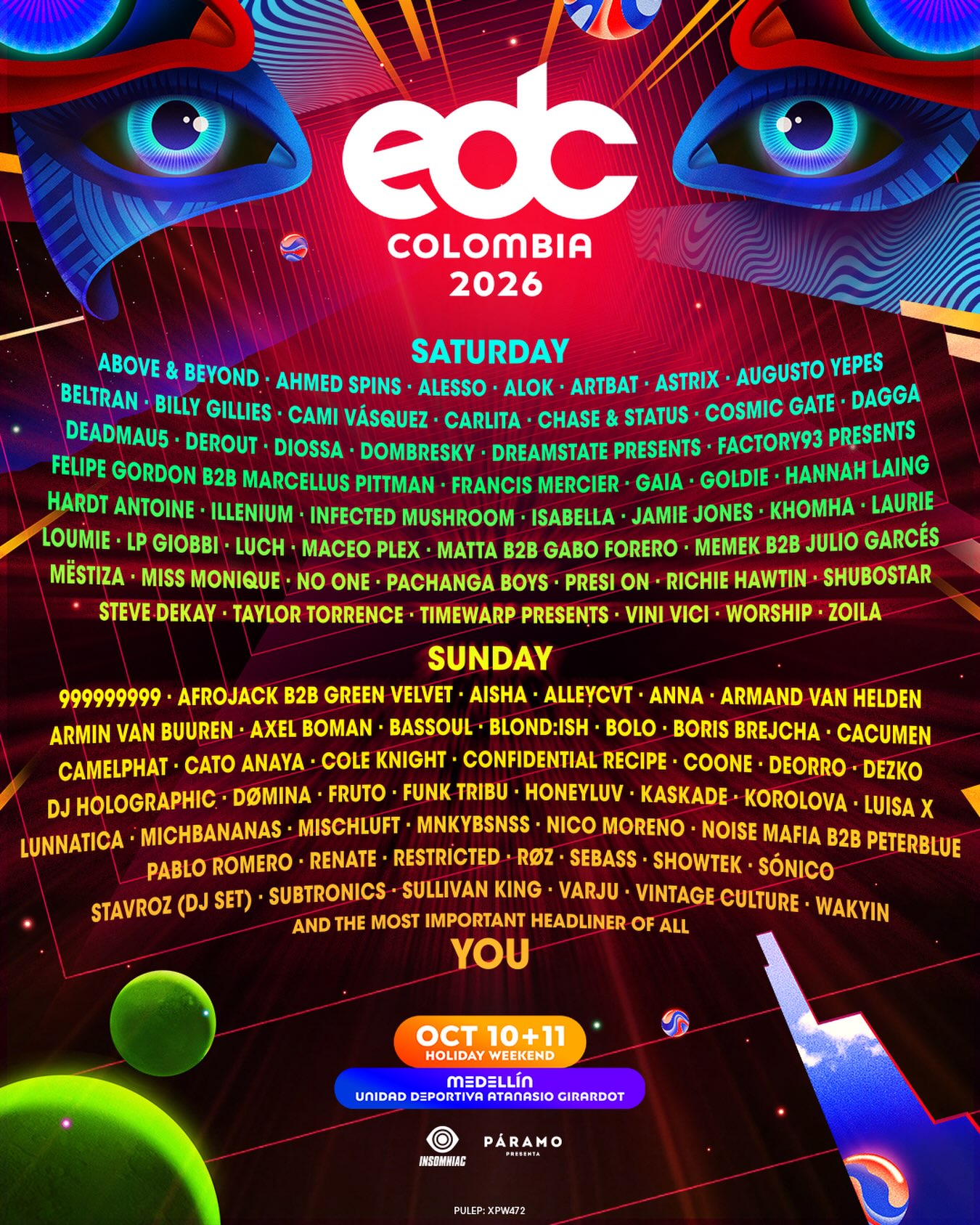
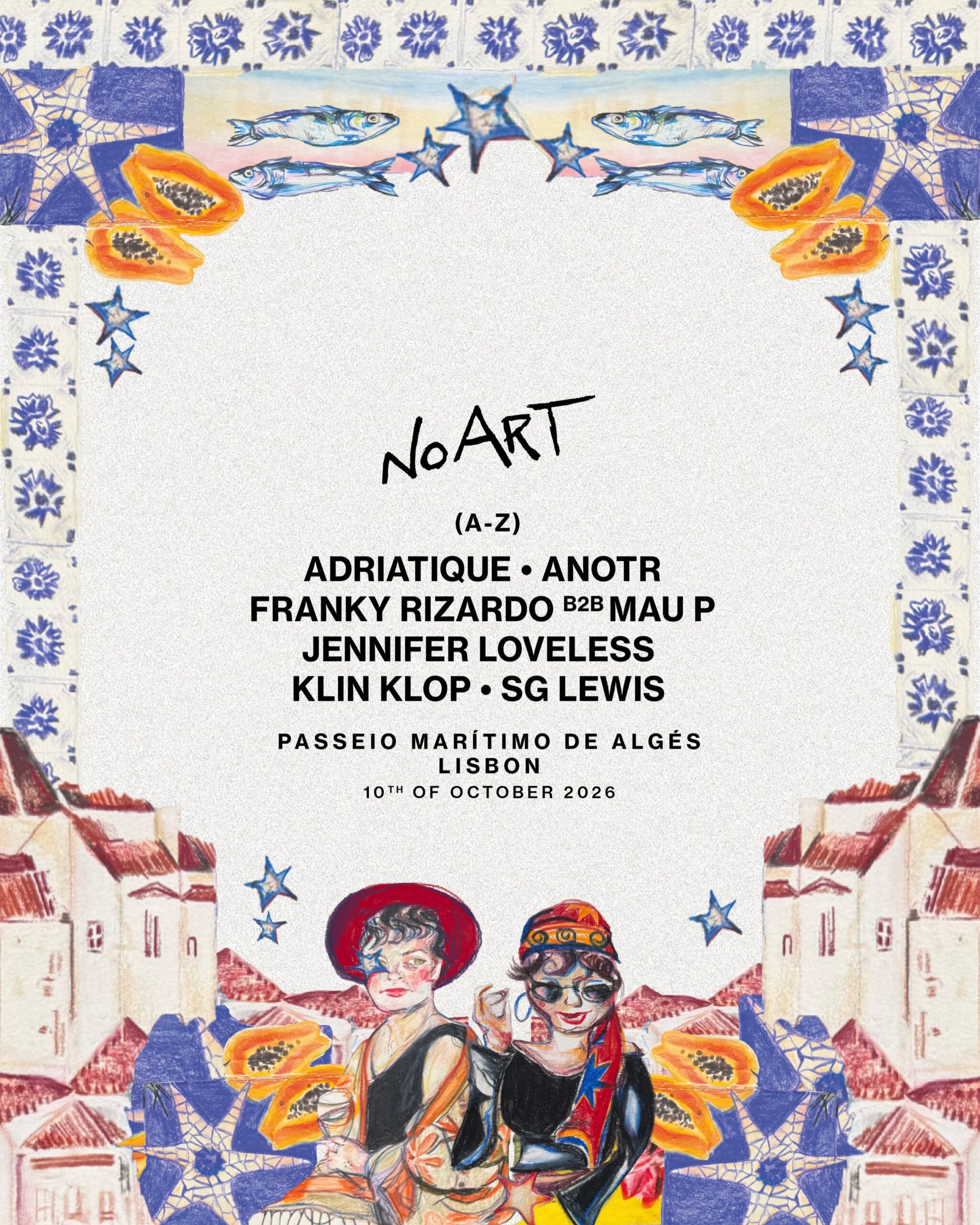
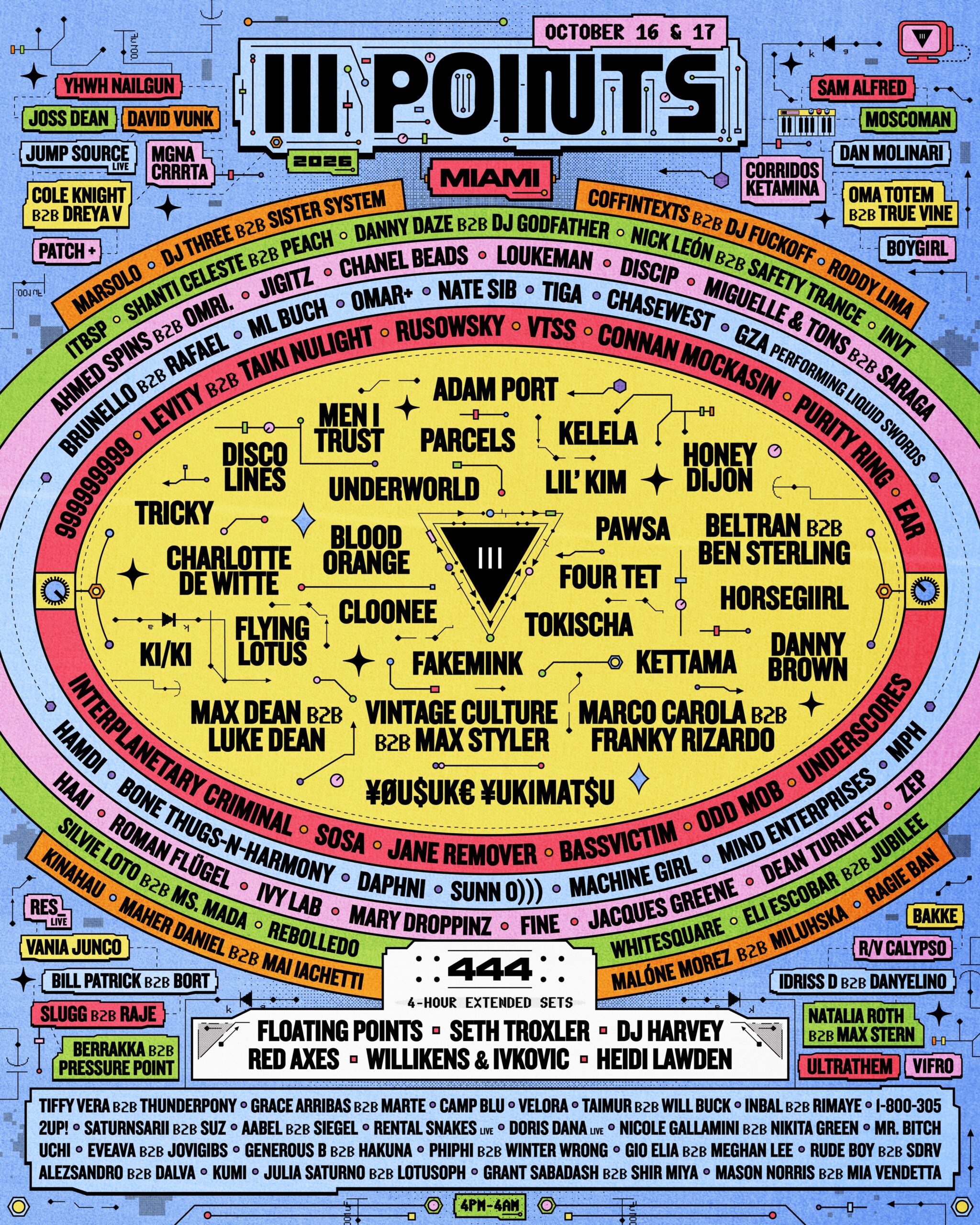
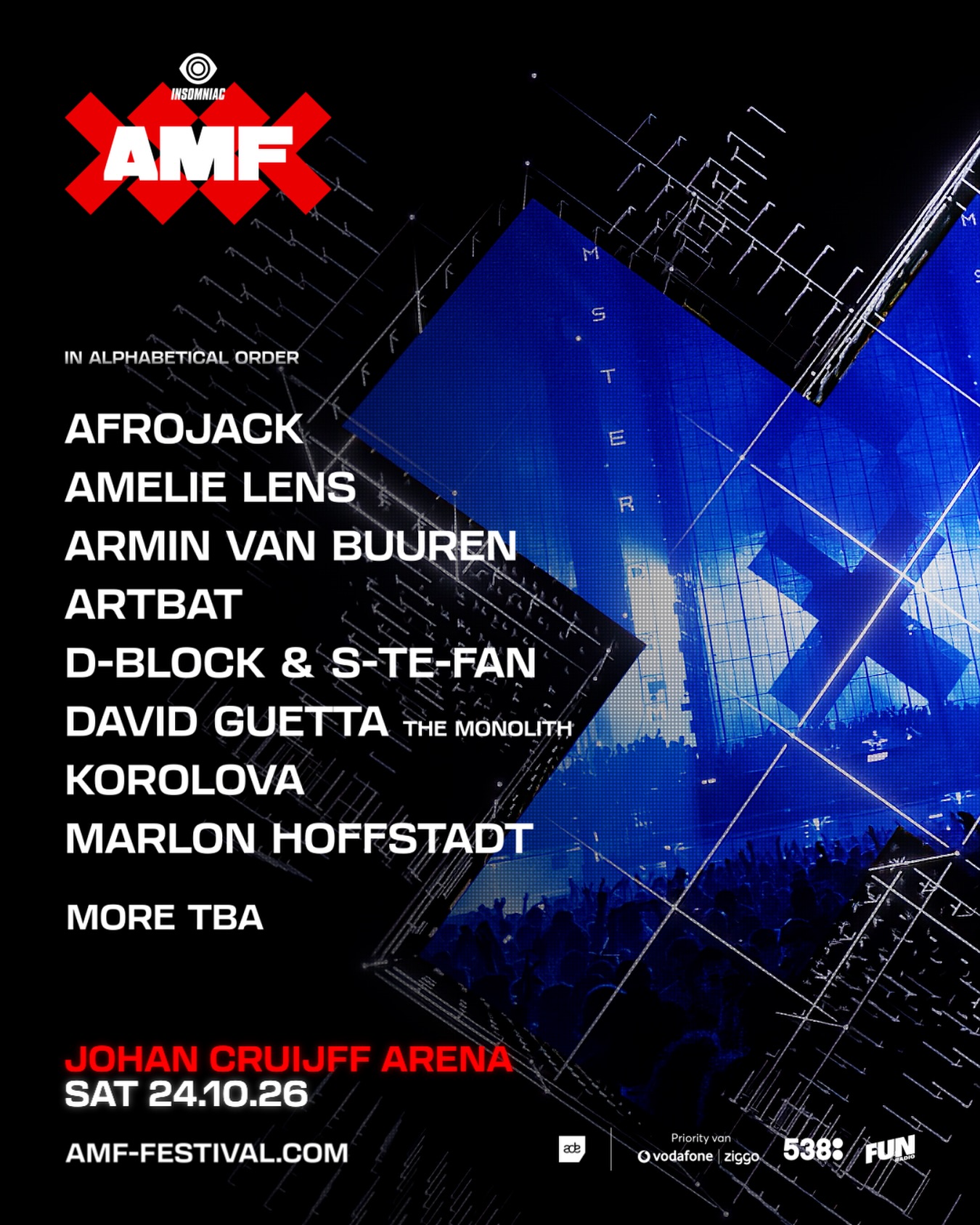
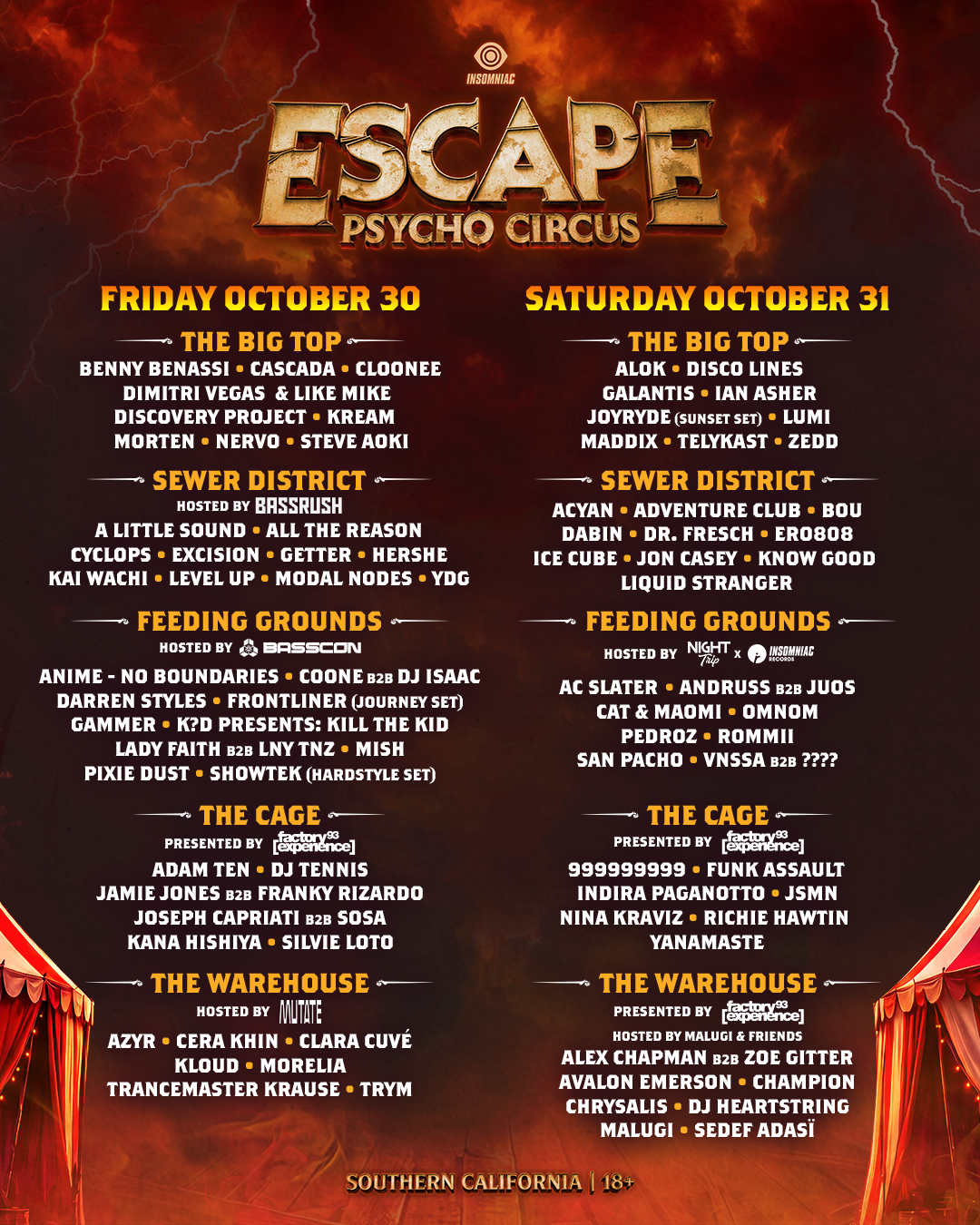
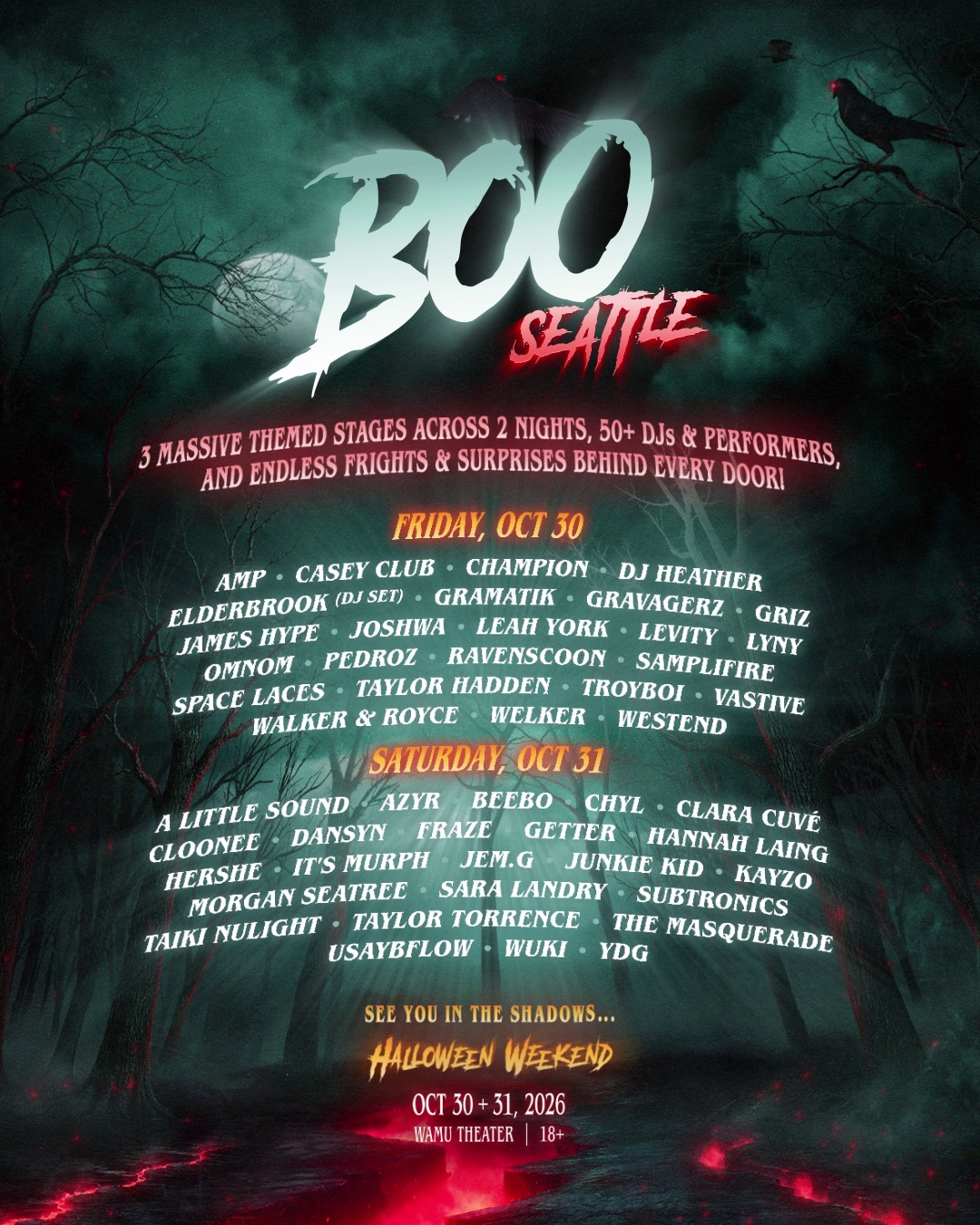
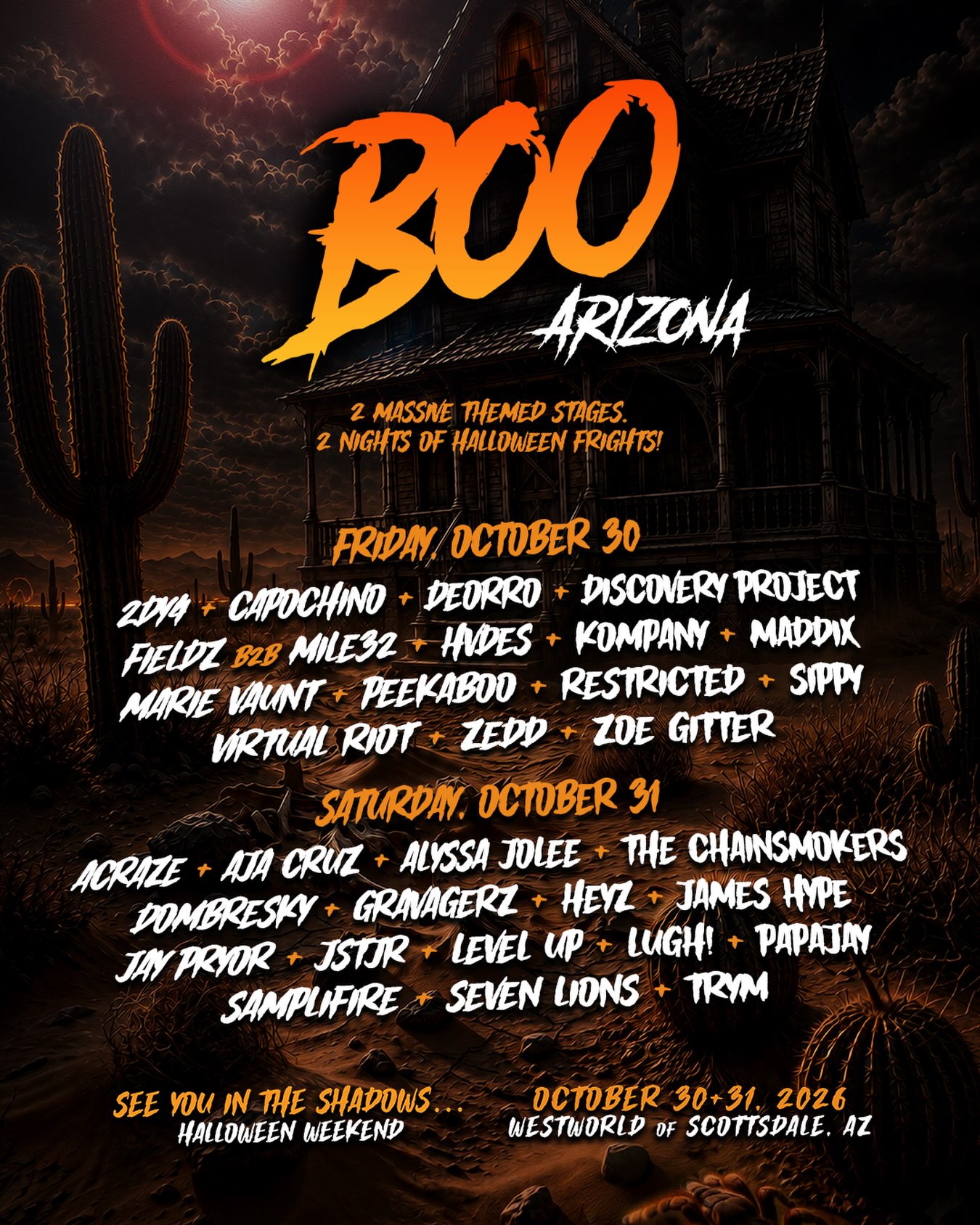
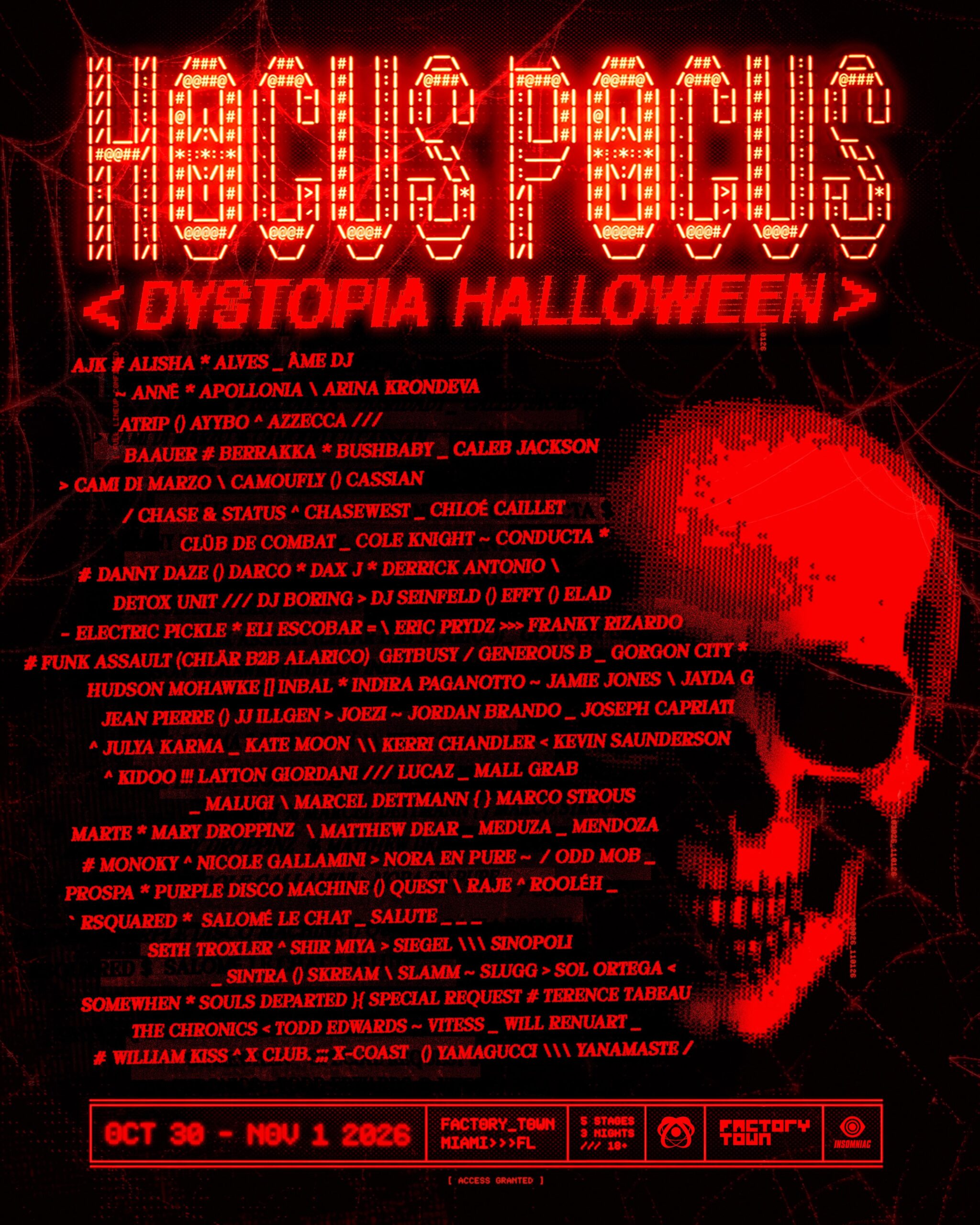
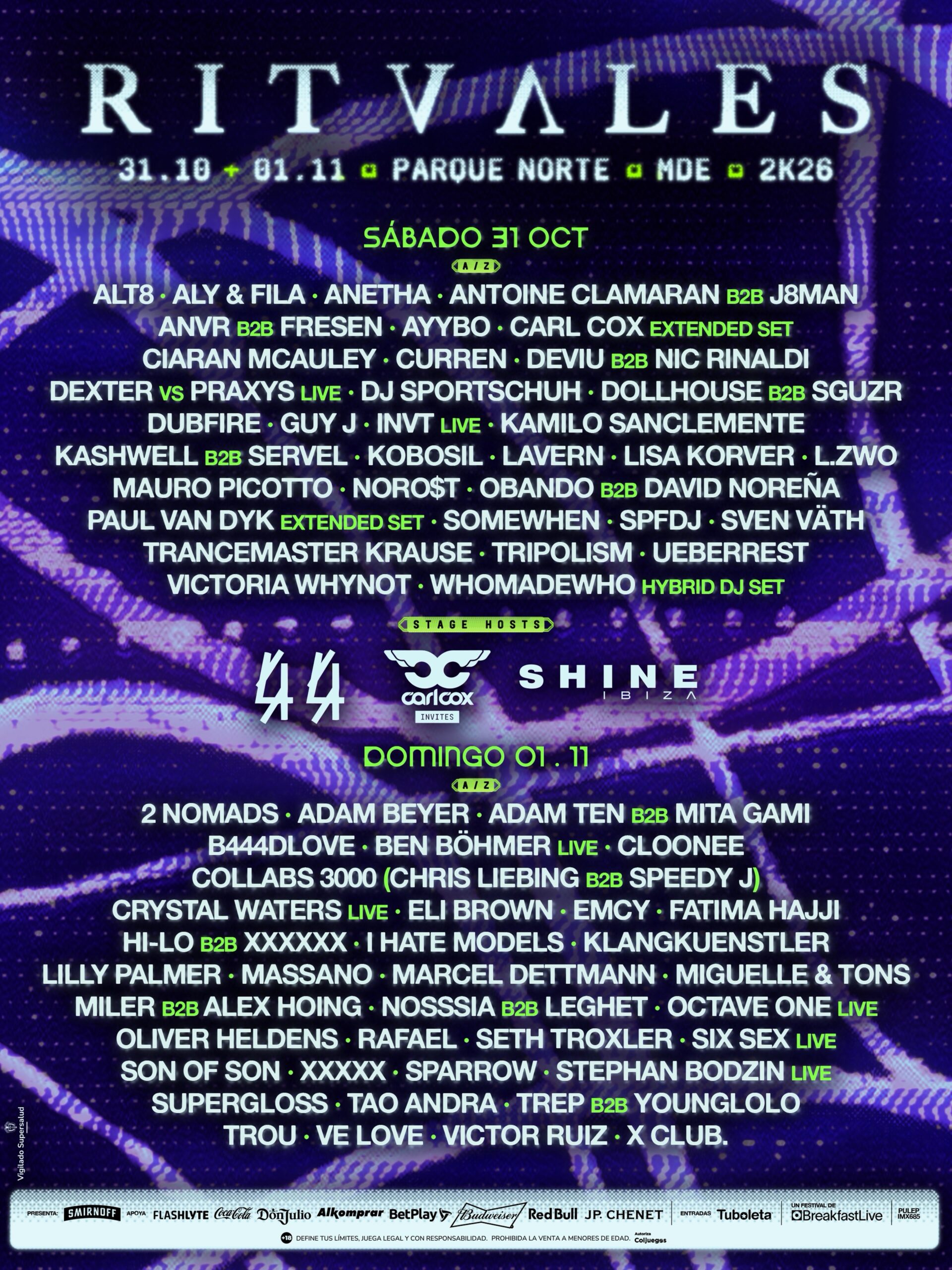
October 2026 brings another busy month for the EDM festival calendar, with events taking place across North America, Asia, Europe, Africa, and South America. In the US, 808 Festival, Breakaway Utah, We Belong Here Central Park, Experts Only at the Gorge, Niteharts, Head Trip, III Points Miami, Escape Psycho Circus, BOO! Seattle, BOO! Arizona, and Hocus Pocus Miami fill the month. Meanwhile, EDC Korea and Chill O’posite Festival add major dates in Asia and Africa. No Art Lisbon and AMF represent Europe, while EDC Colombia and Ritvales bring two large weekends to South America. Here’s a full look at the EDM festivals taking place throughout October 2026.
808 Festival
Dates: October 2–3, 2026
Location: BITEC, Bangkok, Thailand
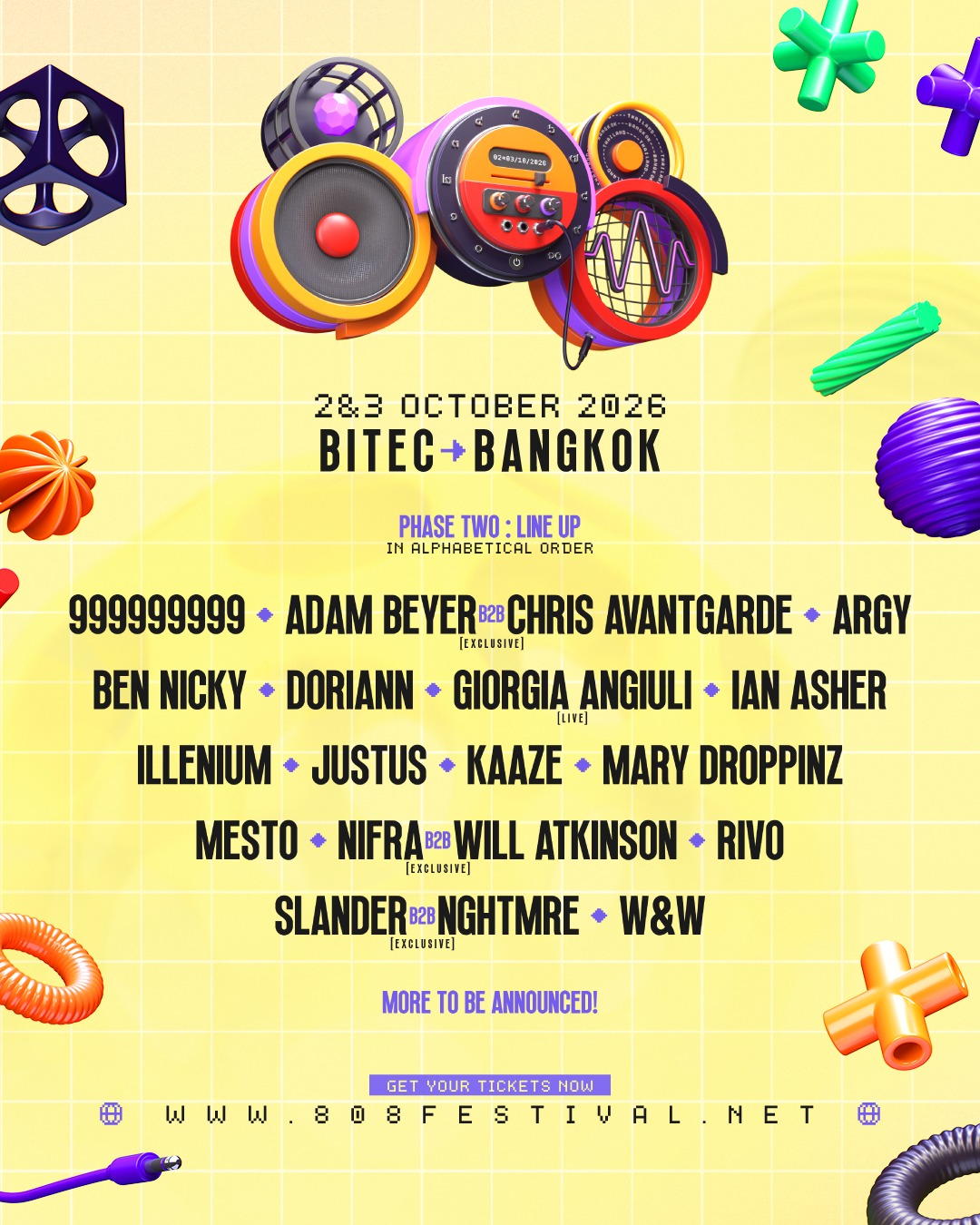
808 Festival returns to BITEC in Bangkok from October 2–3, 2026 for two days across two stages. The Phase Two lineup includes ILLENIUM, SLANDER B2B NGHTMRE, W&W, Argy, Ben Nicky, 999999999, Mesto, and KAAZE. Meanwhile, JUSTUS, RIVO, Dorian, Ian Asher, and Mary Droppinz are also confirmed. Several special performances are scheduled, including Adam Beyer B2B Chris Avantgarde and Nifra B2B Will Atkinson. Giorgia Angiuli will also perform live. More artists are still due to be announced before the festival returns to Bangkok in October.
Subscribe to our Newsletter
-
 EDM Music3 days ago
New EDM Friday Oct 9: David Guetta, Armin van Buuren & More
-
 Amsterdam Dance Event News5 days ago
ADE Announces Full 30th Anniversary Program
-
 EDM Music3 weeks ago
New EDM Friday Sep 18: HALŌ, HUGEL, Sara Landry & More
-
 EDM Festival News4 weeks ago
Lost Lands Announces Full Set Times and Streaming Details
-
 EDM Festival News4 weeks ago
Tomorrowland Winter 2027 Dates and Ticket Sales Announced
-
 EDM Music2 weeks ago
New EDM Friday Sep 25: Charlotte de Witte, Armin van Buuren & More
-
 EDM Music1 week ago
New EDM Friday Oct 2: Martin Garrix, Dom Dolla & More
-
 EDM Festival News4 weeks ago
Djakarta Warehouse Project Unveil First Lineup Phase For DWP 2026
