
EDM Artist News
Zedd In The Park 2026 NYC Lineup Announced


Zedd brings Zedd In The Park to New York City’s Randall’s Island for the first time on August 14-15 2026, with DJ Snake, Porter Robinson, Madeon and more.
Zedd announces the fifth edition of Zedd In The Park, bringing the famed festival experience to the East Coast for the first time. Set to take place at Randall’s Island in New York City on August 14th & 15th, the event marks a major expansion of the fan-favorite festival, which has become a staple in Los Angeles. The New York edition will feature Zedd headlining, alongside a lineup of special guests and collaborators including Knock2 (performing b2b with Zedd), DJ Snake, Porter Robinson, Madeon, and many more.
“Zedd In The Park is back, and I’m incredibly excited to bring it to New York City for the very first time,” Zedd said in announcing the event. “I’m bringing some of my favorite artists and best friends to join me at Randall’s Island. I believe we have our most special lineup yet!”
This year, fans can expect a one-of-a-kind experience featuring state-of-the-art production, stunning visuals, interactive games, immersive art installations, and a standout food lineup, alongside a high-energy set spanning Zedd’s biggest hits. Artist pre-sale for this year’s Zedd In The Park begins on Thursday, April 30th, at 10AM ET followed by general on-sale on Friday, May 1st at 10AM ET. Sign-up for early access to tickets at http://ZITP.com.

Subscribe to our Newsletter








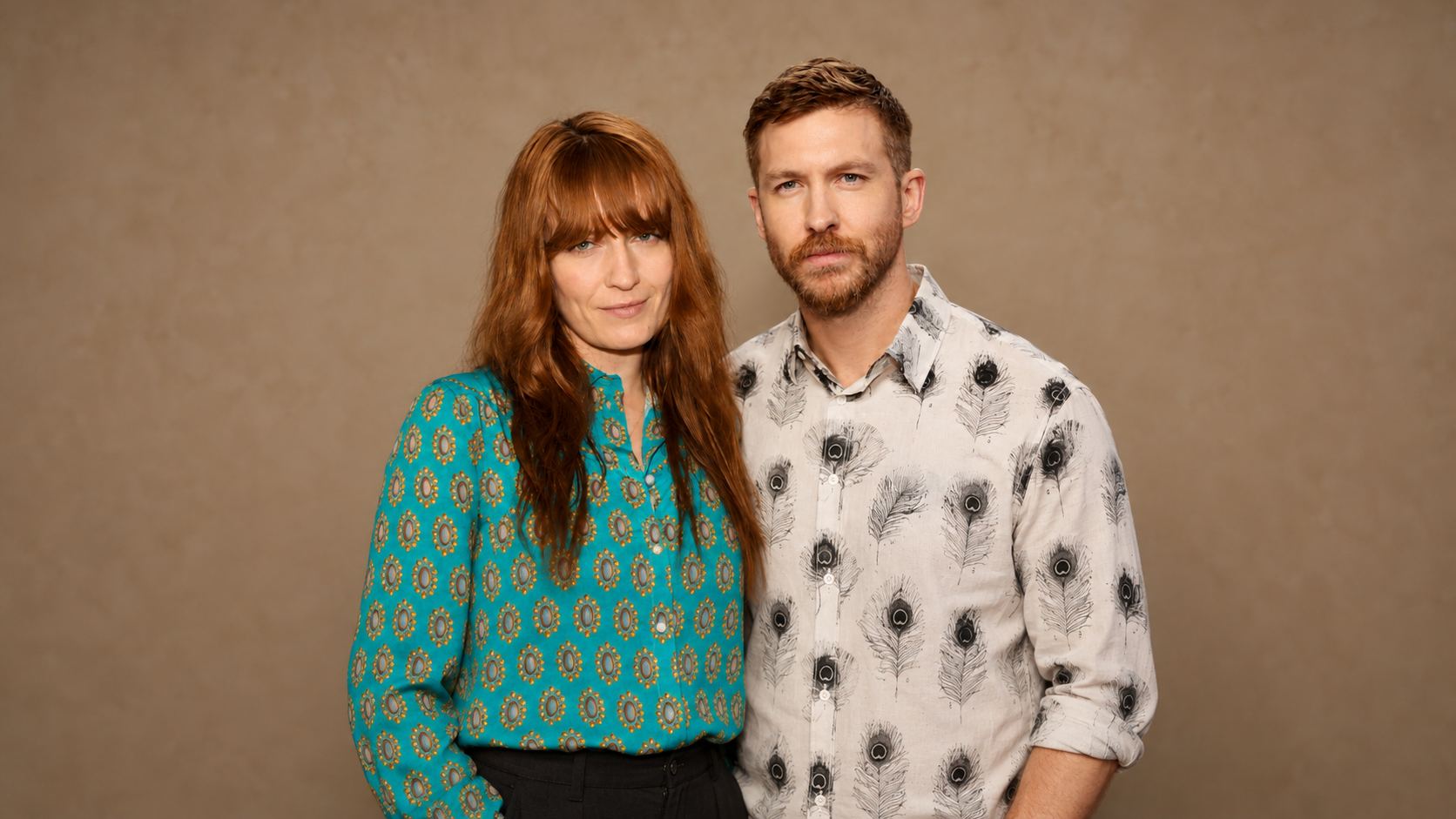
Calvin Harris and Florence Welch’s ‘Sweet Nothing’ celebrates 14 years after becoming a UK No. 1 and one of the biggest singles from the album ‘18 Months’
Fourteen years after Calvin Harris and Florence Welch released ‘Sweet Nothing’, the collaboration remains one of the most remembered songs from the 18 Months era. Released in 2012, it brought together two artists who were already having very different but highly successful years in music, with Calvin Harris also working with Florence + The Machine around the same period. What followed gave ‘Sweet Nothing’ a much bigger story than its original release, from how the collaboration happened to the success that followed on both sides of the Atlantic.
The Story Behind ‘Sweet Nothing’
Before ‘Sweet Nothing’ became one of the most beloved songs from Calvin Harris’ 18 Months era, he and Florence Welch already had history together. Earlier in 2012, Calvin Harris remixed Florence + The Machine’s ‘Spectrum (Say My Name)’, which went on to reach No. 1 in the UK. That connection later led to an original collaboration, with Kid Harpoon joining Calvin Harris and Florence Welch as a co-writer on ‘Sweet Nothing’.
View this post on Instagram
The song placed Florence Welch’s vocal in a more electronic setting than much of her work with Florence + The Machine at the time, while fitting naturally into the sound Calvin Harris was developing across 18 Months. It became part of an album that also featured collaborations with Rihanna, Ellie Goulding, Example, Kelis and Ne-Yo, helping place ‘Sweet Nothing’ within one of the most successful periods of his career.
From UK No. 1 To The Billboard Hot 100
Once ‘Sweet Nothing’ was released, the collaboration quickly became much more than another single from 18 Months. It reached No. 1 on the UK Singles Chart in October 2012, giving Calvin Harris another chart-topper only months after his remix of ‘Spectrum (Say My Name)’. The song also crossed over strongly in the United States, where it reached the top 10 of the Billboard Hot 100 and gave Florence Welch her first top 10 hit on the chart.
The success continued beyond its original chart run. ‘Sweet Nothing’ later earned a nomination for Best Dance Recording at the 2014 Grammy Awards, while 18 Months was nominated for Best Dance/Electronica Album the same year. Its music video, directed by Vincent Haycock, also became an important part of the release, pairing Florence Welch’s performance with a darker storyline that contrasted with the track’s club-focused production.
Fourteen years later, ‘Sweet Nothing’ remains closely tied to a period when Calvin Harris was becoming one of the biggest names in electronic dance music, while Florence Welch was bringing her voice into collaborations far outside Florence + The Machine. Between the story behind the record, its success in both the UK and the United States, and its place within 18 Months, the song has lasted far beyond its original 2012 chart run.
From UK No. 1 To The Billboard Hot 100
Once ‘Sweet Nothing’ was released, the collaboration became much more than another single from 18 Months. It reached No. 1 on the UK Singles Chart in October 2012 and gave Calvin Harris another chart-topper that year. The song also found major success in the United States, reaching the top 10 of the Billboard Hot 100. It became Florence Welch’s first top 10 hit on the chart.
The success continued after its original chart run, with ‘Sweet Nothing’ earning a Best Dance Recording nomination at the 2014 Grammy Awards. 18 Months also received a nomination for Best Dance/Electronica Album that year. The Vincent Haycock-directed music video added another part to the release, following Florence Welch through a nightclub performance alongside a darker relationship storyline.
Fourteen years later, ‘Sweet Nothing’ remains closely connected to one of the most successful periods of Calvin Harris’ career. It also gave Florence Welch one of her biggest collaborations outside Florence + The Machine. Its UK No. 1, U.S. top 10 and Grammy nomination all followed a partnership that had started only months earlier with ‘Spectrum (Say My Name)’.
Subscribe to our Newsletter
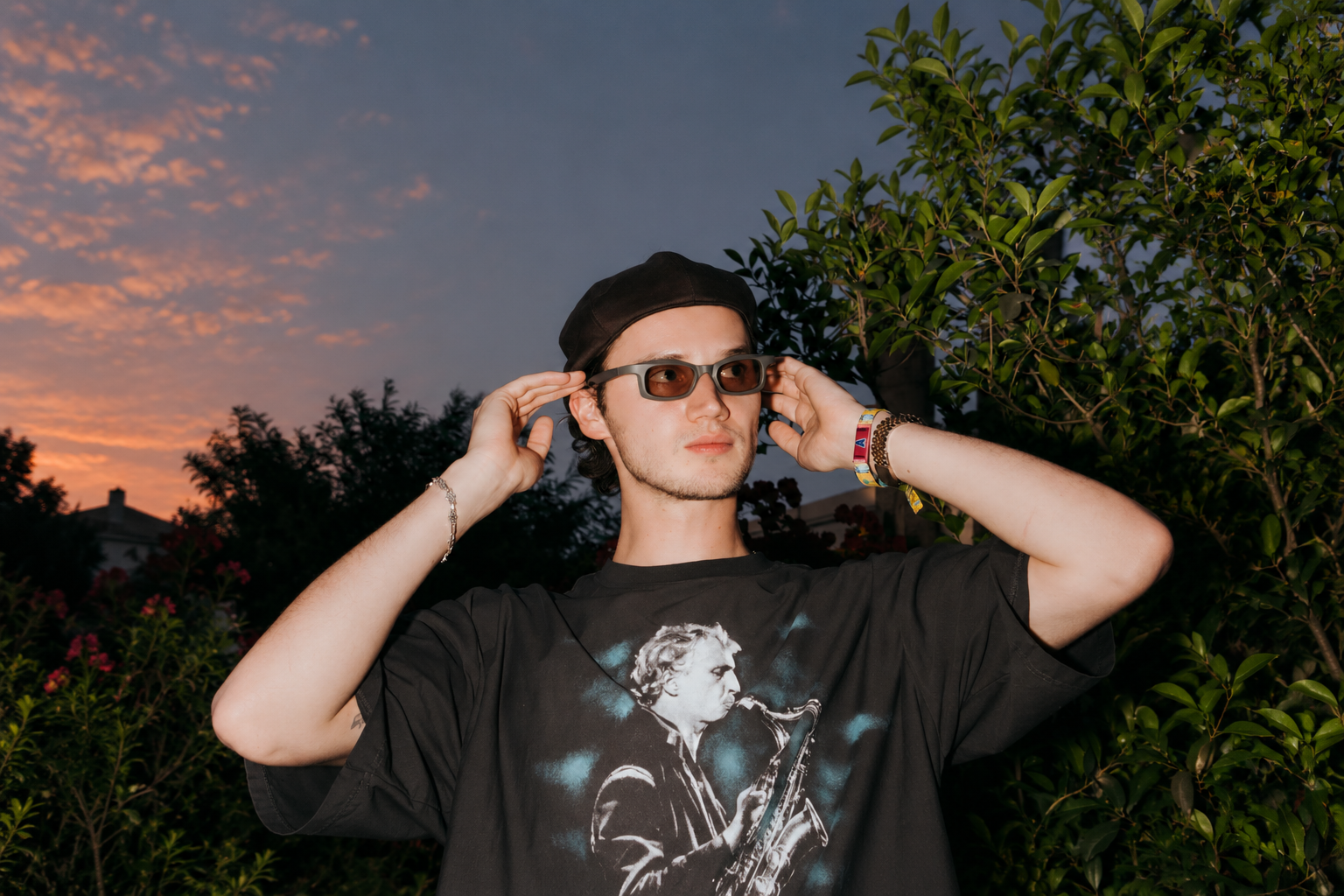
Mau P launches Baddest Behavior Records as his event brand expands into a new label for emerging dance music artists
Mau P has grown to become one of the most prominent names arcorss the electronic dance music scene. His rise has included major releases, international shows and his own Baddest Behavior event series. First introduced as a way for him to curate lineups and host events under his own banner, Baddest Behavior soon became part of his touring calendar. Mau P is now taking the name into recorded music with Baddest Behavior Records, his first record label. The imprint gives artists and music he already supports a direct route to release.
Why Mau P Launched Baddest Behavior Records
As more unreleased music began reaching Mau P from producers, starting a label became something he began considering publicly. He has spoken about wanting to give other artists the type of opportunities that helped him earlier in his career. That became especially relevant when he heard records he believed deserved wider support.
View this post on Instagram
That intention was central to the announcement. Mau P described Baddest Behavior Records as being “for the culture, for the scene.” He also directed followers to the label’s new private Instagram account through his Stories. The page began accepting followers as part of the rollout. The first artists and releases have not yet been announced, so the label’s musical direction will become clearer once its catalogue begins.
Baddest Behavior Was Already Growing Beyond Individual Shows
By the time Mau P announced the record label, Baddest Behavior already had several years of events behind it. He has hosted editions in New York, Miami, Denver and Los Angeles. A residency at Pacha Ibiza also gave the series a regular presence on the island.
Those events have allowed Mau P to choose the artists playing alongside him and place the music he supports within his own lineups. Plans for Baddest Behavior to cover more than live events appeared well before the label announcement.
In 2024, Mau P B.V. filed a trademark application covering record label services, music publishing, recording, live events and DJ services. The filing showed that recorded music already formed part of the wider plans for Baddest Behavior.
Since breaking through with ‘Drugs From Amsterdam’ in 2022, Mau P has released through Repopulate Mars, Defected, Diynamic and Insomniac Records. He has also regularly supported IDs and unreleased tracks throughout his sets. Baddest Behavior Records now gives some of that music the possibility of becoming official releases with Mau P directly supporting them, while the first records will begin to show which artists and sounds he wants the label to represent.
Subscribe to our Newsletter
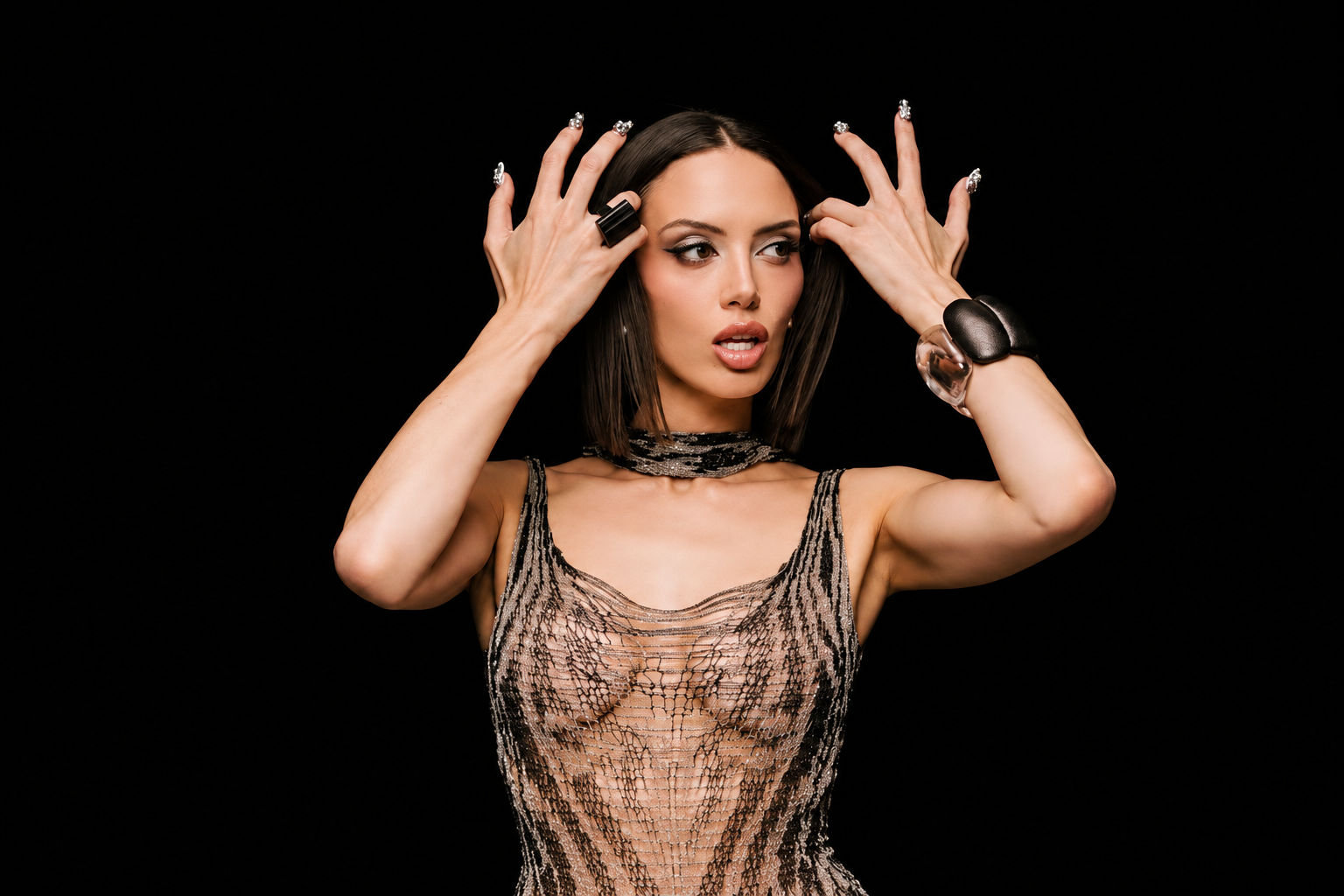
Sara Landry’s company sues former management in U.S. trademark case involving her name and Hekate Records
After working with The Night Department since 2023, Sara Landry ended the relationship last year. The split later developed into legal disputes on both sides of the Atlantic. Landry IP LLC has now filed a new lawsuit in the United States against The Night Department and affiliated company Prepare to Flash. The case centers on alleged trademark use involving Sara Landry’s name and Hekate Records.
What Sara Landry’s Company Is Alleging
Landry IP LLC filed the lawsuit on October 6 in the U.S. District Court for the Southern District of New York. The case names Night Night Ltd, which operates as The Night Department, and Prepare to Flash as defendants. According to the filing, Landry IP LLC owns the trademarks connected to Sara Landry and Hekate Records.
The complaint says the management relationship had ended by late October 2025. It alleges that the defendants continued using the trademarks in music distribution and their management business afterward. Landry IP LLC argues that this could have suggested The Night Department still represented Sara Landry and Hekate Records. The conflict also extended to Hekate Records’ distribution account with Believe, which Prepare to Flash allegedly refused to transfer when Sara Landry’s representatives sought control.
The Dispute Goes Back To Music And Label Ownership
Tensions around ownership had already developed before the U.S. trademark case. According to the complaint, the former management team sought 50% ownership of Sara Landry’s music and 50% ownership of Hekate Records. Her side argues that those interests were sought without appropriate payment and conflicted with her intention to retain control of both.
The Night Department disputes the wider account of the split and says the relevant ownership provisions appeared in the management agreement. Sara Landry’s side has also alleged problems involving communication, touring support and management of Hekate Records. The Night Department has denied doing anything that justified ending the agreement.
The Legal Fight Is Also Playing Out In The UK
Before Landry IP LLC filed the U.S. lawsuit, The Night Department had already taken Sara Landry to court in the UK. Filed in July 2026, that case accuses her of breaching the management agreement by ending the relationship without sufficient grounds. Sara Landry later responded with counterclaims of her own.
The two cases cover different parts of the same dispute. The UK proceedings focus on whether Sara Landry had the right to terminate the management agreement. The U.S. case focuses on alleged trademark use after that relationship ended. Neither court has reached a final judgment.
Sara Landry Puts Artist Ownership At The Center
As the legal fight has developed, Sara Landry has framed the wider issue around an artist’s control over their name, music and career. In a statement reported by Billboard, she said ownership and artists’ rights remain deeply important to her. She also said she intends to continue advocating for artists to control their work.
Through the U.S. lawsuit, Landry IP LLC is seeking to stop the alleged unauthorized trademark use and recover profits or damages connected to it. No specific dollar amount has been disclosed publicly. The dispute is unfolding shortly before Sara Landry releases her second studio album, Divine Intervention, on October 16, placing the legal battle alongside another major period in her career.
Subscribe to our Newsletter
-
 EDM Music3 days ago
New EDM Friday Oct 9: David Guetta, Armin van Buuren & More
-
 Amsterdam Dance Event News5 days ago
ADE Announces Full 30th Anniversary Program
-
 EDM Music3 weeks ago
New EDM Friday Sep 18: HALŌ, HUGEL, Sara Landry & More
-
 EDM Festival News4 weeks ago
Lost Lands Announces Full Set Times and Streaming Details
-
 EDM Festival News4 weeks ago
Tomorrowland Winter 2027 Dates and Ticket Sales Announced
-
 EDM Music2 weeks ago
New EDM Friday Sep 25: Charlotte de Witte, Armin van Buuren & More
-
 EDM Music1 week ago
New EDM Friday Oct 2: Martin Garrix, Dom Dolla & More
-
 EDM Festival News4 weeks ago
Djakarta Warehouse Project Unveil First Lineup Phase For DWP 2026
